By Bayo Adegbite
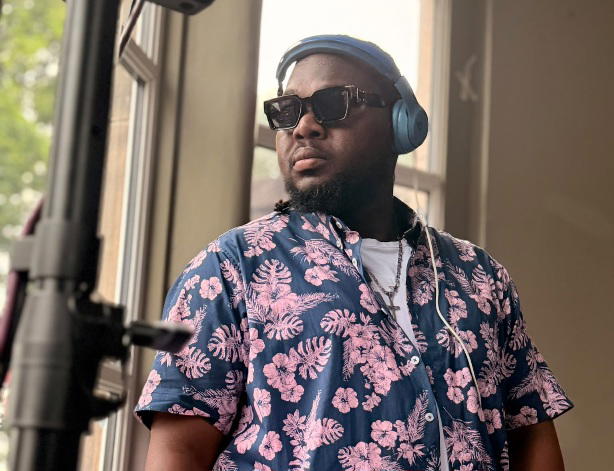
Every DJ has the same dream when they start out to perform at bigger venues in front of increasingly larger and louder crowds, maybe perform with celebrity artistes, a name that gets the crowd in a frenzy before the set even starts. For Elijah Otalor, known to dancefloors across Nigeria, the UK, and Benin Republic as DeeJay0213, it was the same. But after building a brand for seventeen years in the industry, his priorities have changed. Of course, he is still has hungry for success as he was all those years ago, but that definition of success has changed.
Otalor says. ” Back then, seeing a dance floor full of people and knowing they were enjoying my set was enough to make me feel successful, It was validation that I was closer to my dream of being a big name. it is not that that feeling has worn off even now. But I always feel like I can do even more.”
From Bookings to Impact
Nowadays that he almost always a calendar full of gigs. Elijah Otalor no longer thinks it is the sole definition of what success looks like, “It’s less about the number of bookings and more about the impact I have,” he says. “I want people to leave an event feeling that they experienced something special.”
That shift in priorities, from performance as output to performance as transfer, not just whipping a crowd into a frenzy but creating something that members of that audience can carry out of the door with them, is subtle but telling. Elijah Otalor is reinventing his personal narrative where he frames his own career less as a solo pursuit than as infrastructure for people coming up behind him.
“Over the years I’ve realized that success isn’t just about how many events you perform at or how big the crowd is,” he explains. “For me, it’s about building a legacy. I want to create a lasting footprint in the industry through collaborations, mentorship, platforms and experiences that connect African talent with wider audiences, create opportunities for other creatives and contribute to the growth of the culture. The Nigerian creative space already has enough celebrity success stories people admire from a distance, but whose methods are inaccessible. I want to be usable. I want someone starting today to look at my journey and think, ‘If he can build a career from his passion and keep going for 17 years, I can do it too.'”
What He Wants the Record to Show
On the question that every popular artiste or creative gets asked some version of at some point in their career: what do you want people to say about you when you’re gone from the stage? Otalor’s answer goes out of the norm.
“I hope they say DeeJay0213 helped change how people experience and connect with music,” he says. “I’d want them to say I was more than someone who stood behind the decks and played records. I want to be remembered for bringing different cultures and generations together, helping African music reach new audiences, and creating experiences that people genuinely remembered.”
He’s careful to separate scale from significance, a distinction that runs through nearly everything he says about his career. “Twenty years from now, I don’t want the biggest thing people remember to be how many crowds I played to. I want them to remember the people I inspired, the connections I created and the culture(s) I helped represent.”
He admits that he still loves being given awards and recognized as a mainstream performer. “ I still get joy after getting an award, but the feeling nowadays is different from what it used to be. If a young DJ looks back at my journey and thinks, ‘He showed me that I could start with a passion, stay consistent and build something meaningful,’ then I’ll feel like I achieved something bigger than a successful DJ career.”
Legacy as an Active Project, not a Retirement Plan
Elijah Otalor’s version of legacy is different from the usual end-of-career reflection that artistes have when they start thinking of retirement. “Far from it. I love what I do, I can do it for another fifty years…”. What he is building, he’s building it now, mid-flight, not waiting for a farewell tour to start talking about what he leaves behind. Mentorship, cross-market collaboration, and a move into music production are all part of the same design, not afterthoughts bolted onto a DJ career once the sets slow down.
“I also want to leave behind my own music through production, so that my creativity continues beyond the events I perform at,” he says, a reminder that for Otalor, the decks were never meant to be the entire story, just the part that came first.
It’s an unusually patient way to think about a career built on instant gratification, the drop, the crowd reaction, the immediate high of a room moving together. But Otalor seems to have made peace with the fact that the moments that matter most to him won’t be the ones anyone claps for in real time.
“I don’t just want to be known as a DJ who plays great sets,” he says. “I want to build something that lasts, create opportunities for others, and have a legacy that extends beyond my performance.”
Seventeen years behind the decks, and the encore Otalor is working toward isn’t one more song. It’s what’s still playing after he’s left the booth.
Bayo Adegbite is a culture journalist and communications specialist. He has served in both culture, entertainment and youth hubs across Africa.
Disclaimer
Comments expressed here do not reflect the opinions of Vanguard newspapers or any employee thereof.