By Godwin Oritse
For decades, the Idiroko border corridor has operated at the intersection of legitimate commerce and the informal economy, serving both as a gateway for cross-border trade and a route exploited by smugglers.
That dynamic, however, appears to be changing under the Ogun I Area Command of the Nigeria Customs Service.
At the centre of the emerging shift is the Acting Customs Area Controller, Deputy Comptroller Olukayode Afeni, whose intelligence-led enforcement strategy seeks to make smuggling increasingly difficult and costly while protecting legitimate trade.
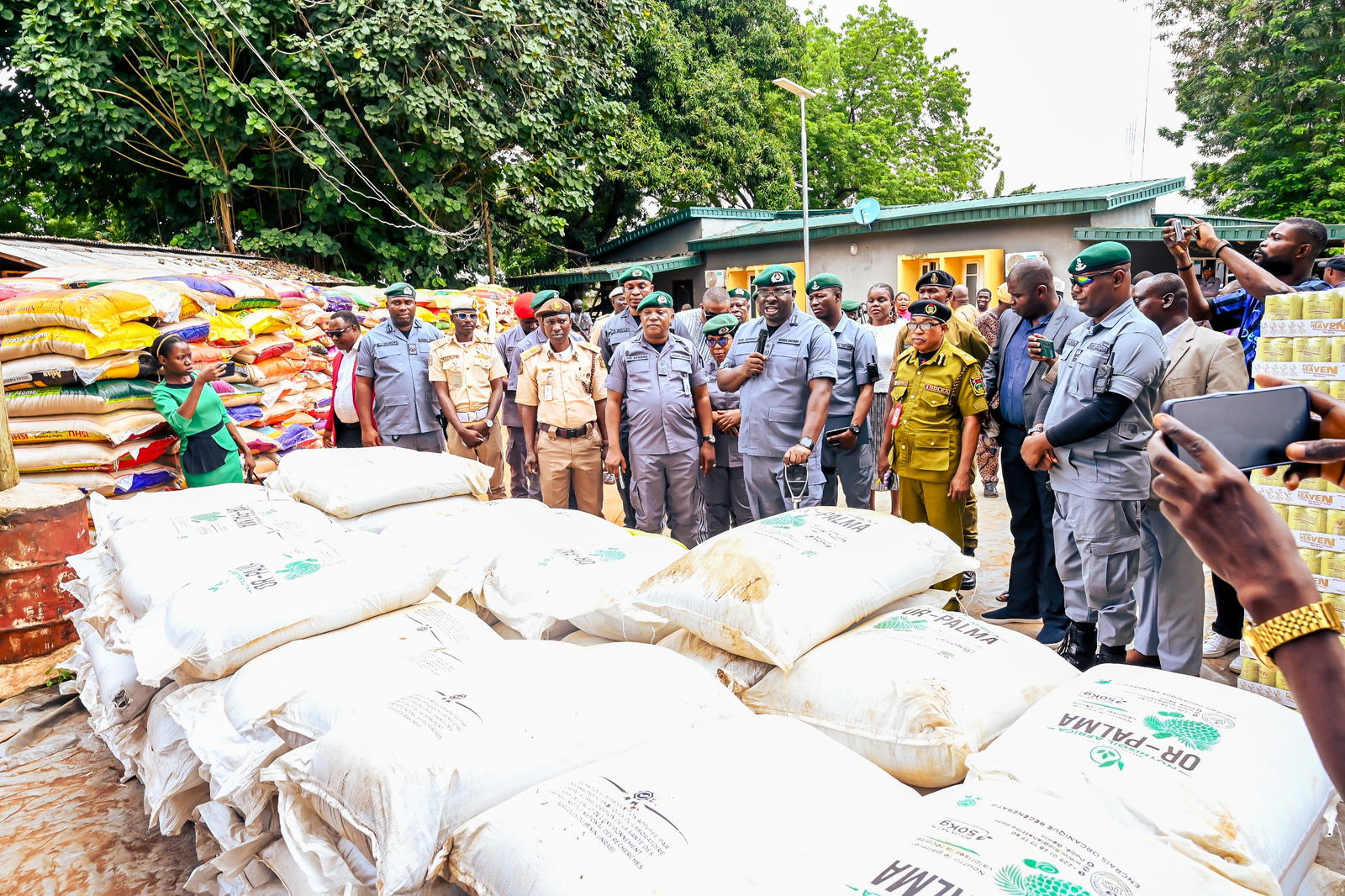
The Command’s latest operational scorecard, presented on August 13, showed seizures with a combined Duty Paid Value of N3.574 billion.
The intercepted items included 2,339 bags of foreign parboiled rice, 70 cartons of basmati rice, 6,035 parcels of Ghana Loud/Indica, petroleum products, sugar, fertilizer, textiles, second-hand clothing and other consumer goods.
The seizures, however, represent more than their monetary value. They highlight the range of illicit commercial activities confronting the Command and suggest a deliberate attempt to disrupt the supply chains supporting smuggling along the corridor.
Idiroko is not merely a Customs enforcement zone; it is a commercial ecosystem linking communities and businesses across the Nigeria-Benin border. While legitimate traders depend on it for access to markets and business opportunities, smugglers exploit price differences, taxes, restrictions and demand between the two countries.
Afeni’s approach appears designed to change that risk-reward calculation. Each intercepted vehicle, rice consignment, petroleum shipment or narcotics parcel represents not only a seizure but an interruption of an illicit supply chain, with the broader objective of making illegal trade less predictable and profitable.
Foreign rice remains a major part of the enforcement challenge.
The seizure of more than 2,300 bags underscores the continuing pressure that illicit imports can place on Nigerian farmers, millers and distributors. From this perspective, Customs enforcement is also being presented as part of the wider effort to protect domestic agricultural production and food security.
Narcotics constitute another major security concern. The Command said it had handed over 32,412 parcels of hard drugs and 92 sacks of raw Cannabis sativa to the NDLEA Idiroko Special Command from January to date. The figure highlights the scale of the narcotics challenge and the importance of inter-agency cooperation in border security.
Beyond seizures, the Command’s export performance offers another perspective on the corridor. Ogun I recorded 10,110 metric tonnes of exports with a Free On Board value of N2.594 billion, driven largely by white talc, crushed thermal coal and CNG. The figures demonstrate that Idiroko can serve not only as an entry point for goods but also as an important export gateway.
The Command also generated N90.066 million in July from baggage assessments, auctions of perishable items, PMS and other charges. Although modest compared with revenue from major seaport commands, the figure illustrates the broader fiscal significance of the border economy.
The central test of Afeni’s strategy, therefore, may not simply be the number or value of seizures recorded. Its real impact will depend on whether improved intelligence, surveillance and inter-agency cooperation can permanently alter the calculation of those seeking to profit from smuggling.
At the same time, effective enforcement must not undermine legitimate commerce. Thousands of traders, farmers, manufacturers, exporters and transporters depend on the corridor, making a predictable and efficient border environment essential. The ultimate objective should be a system where legitimate businesses enjoy greater certainty while illicit operators face greater risks.
Afeni’s campaign ultimately places the Ogun I Command at the intersection of security, economic protection and trade facilitation. The emerging model will succeed if it can sustain enforcement, improve Customs procedures, strengthen infrastructure and inter-agency cooperation, and encourage border communities to support lawful commerce. For now, the direction is clear: make legitimate trade easier to identify and protect, while making smuggling increasingly difficult to sustain.
Disclaimer
Comments expressed here do not reflect the opinions of Vanguard newspapers or any employee thereof.