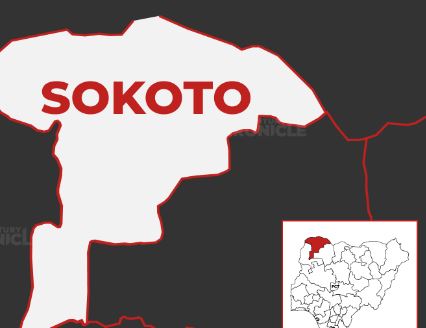
By Musa Ubandawaki, Sokoto
SOKOTO — The recent recruitment of 3000 workers into the Sokoto State Civil Service by Governor Ahmad Aliyu has attracted commendation from residents and stakeholders, with many describing the exercise as a transparent and merit-based process.
The recruitment exercise has been widely viewed as a significant effort to strengthen public confidence in government employment processes by providing equal opportunities for qualified candidates, irrespective of political affiliation, social status or personal connections.
Observers noted that concerns about favoritism, political patronage and lack of transparency have often dominated discussions surrounding public sector recruitment across the country, discouraging many qualified job seekers from pursuing opportunities in government service.
Against this backdrop, beneficiaries and stakeholders have praised the Sokoto exercise, describing it as competitive, transparent and driven by merit. Several successful applicants reportedly said their selection was based on qualifications and performance rather than political considerations.
Some beneficiaries described the recruitment process as a positive development for public service employment.
According to them, the exercise has reinforced confidence among young people that education, competence and hard work can still be rewarded in government service. Others said it demonstrated that recruitment can be conducted fairly when transparency and accountability are prioritised.
Analysts have also highlighted the importance of merit-based recruitment in building an effective civil service, arguing that the quality of governance depends largely on the competence and professionalism of public sector workers.
They noted that attracting qualified teachers, administrators, health workers and other professionals is essential for improving service delivery and advancing development objectives.
The recruitment exercise is also being seen as part of broader efforts by the Sokoto State Government to strengthen public institutions and build a responsive civil service capable of addressing contemporary governance challenges.
Beyond providing employment opportunities, the exercise has been credited with restoring optimism among many young people who had become sceptical about prospects within the public sector.
Political observers believe the long-term impact of the recruitment could extend beyond the current administration, as many of those employed may eventually rise to occupy key positions within the civil service.
According to them, the principles of fairness, transparency and equal opportunity associated with the exercise could help shape future governance practices in the state.
As discussions continue on ways to strengthen public institutions and improve governance across Nigeria, stakeholders say the Sokoto experience highlights the potential benefits of transparent recruitment processes in promoting accountability, public trust and equal opportunity in government service.
Disclaimer
Comments expressed here do not reflect the opinions of Vanguard newspapers or any employee thereof.