By Favour Ulebor, Abuja
The Convener of The Convergence Africa and legal practitioner, Patience Olusuyi, has called for the establishment of multi generational law firms to strengthen legal practice and ensure sustainability within Nigeria’s legal sector.
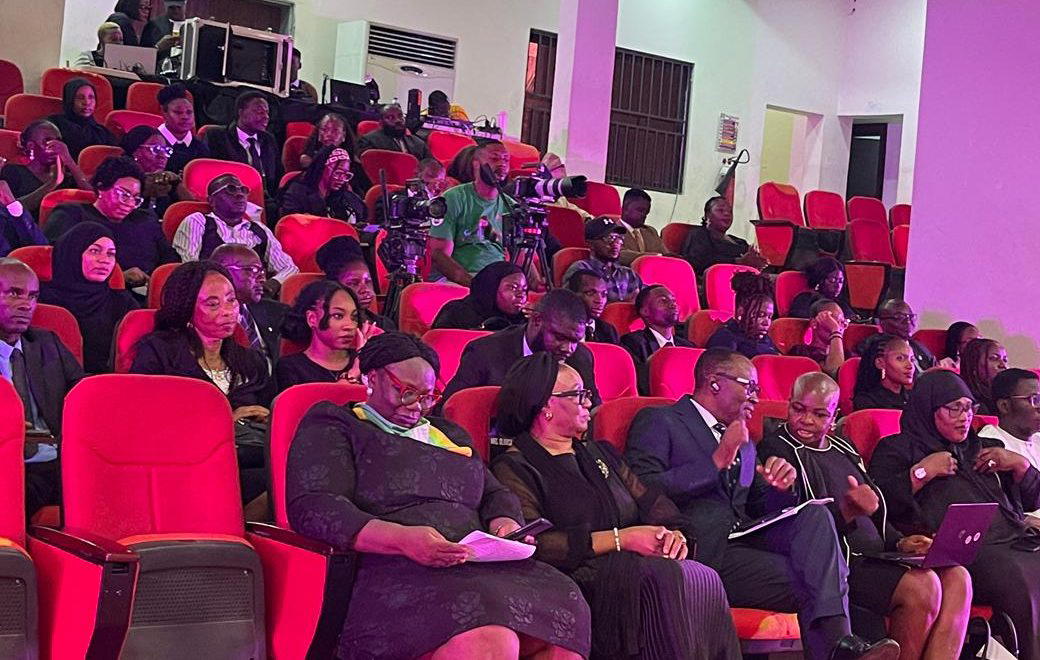
Olusuyi made the call on Thursday in Abuja during the Convergence Masterclass 2026 themed, “Beyond the Founder: Designing Multi Generational Law Firms that Endure and Scale.”
She said many Nigerian law firms disappear after the death or retirement of their founders because they are built around individuals rather than institutions with enduring systems and structures.
According to her, the legal profession in Nigeria must begin to embrace partnerships and institutional models capable of surviving across generations instead of firms that start and end with one individual.
She noted that globally, some law firms have existed for over 200 years because they were built on strong partnerships, continuity plans and institutional structures that outlived their founders.
Olusuyi added that younger lawyers must begin to harmonise their strengths and build formidable firms that can continue operating long after their founders are gone.
She further stated that the initiative was aimed at encouraging lawyers to rethink the traditional sole proprietorship model and embrace structures that promote continuity, collaboration and long term growth.
President of the Nigerian Bar Association, NBA, Afam Osigwe, SAN, said most legal practices in Nigeria still operate as sole proprietorships where the survival of the firm depends largely on the founder.
He said there was an urgent need for a new business model that would encourage partnerships, shared ownership and stronger institutional structures within the legal profession.
Osigwe explained that law firms should be structured in a way that allows younger lawyers and other partners to contribute meaningfully and develop a sense of ownership instead of remaining ordinary employees.
He added that enduring law firms should not only provide quality legal services but also continue supporting employees, partners and the families of founders even after the founders are no longer active.
Keynote speaker, Paul Haris Ogbole, SAN, identified weak succession frameworks and limited scalability as major challenges facing African law firms.
According to him, many firms struggle to grow beyond their founders because of inadequate institutional planning, weak partnership structures and the absence of sustainable business models.
Senior Advocate of Nigeria, George Etomi, advised young lawyers to focus on networking, collaboration and mentorship as important tools for career development and attracting clients.
He encouraged lawyers to participate actively in professional associations, seminars and social engagements in order to build visibility, credibility and professional relationships.
Etomi also urged young practitioners to work closely with established firms to gain experience, improve competence and create opportunities for long term growth through collaboration.
In her presentation, Senior Advocate of Nigeria, Mrs. Olabisi O. Soyebo, said succession planning remains one of the biggest challenges confronting Nigerian law firms.
She noted that most law firms in Nigeria are still first generation practices largely operated by sole proprietors and small partnerships with limited continuity structures.
Soyebo explained that unlike other jurisdictions where mega law firms have existed for centuries, Nigeria is only beginning to witness the emergence of mid sized and institutional law firms.
She warned that many law firms quietly disappear after the death of their founders because there are often no clear succession arrangements, operational systems or institutional frameworks to sustain them.
According to her, law firms must establish proper partnership agreements, documented policies, operational procedures and transition plans capable of ensuring continuity beyond the founders.
Disclaimer
Comments expressed here do not reflect the opinions of Vanguard newspapers or any employee thereof.