By David Nnasom
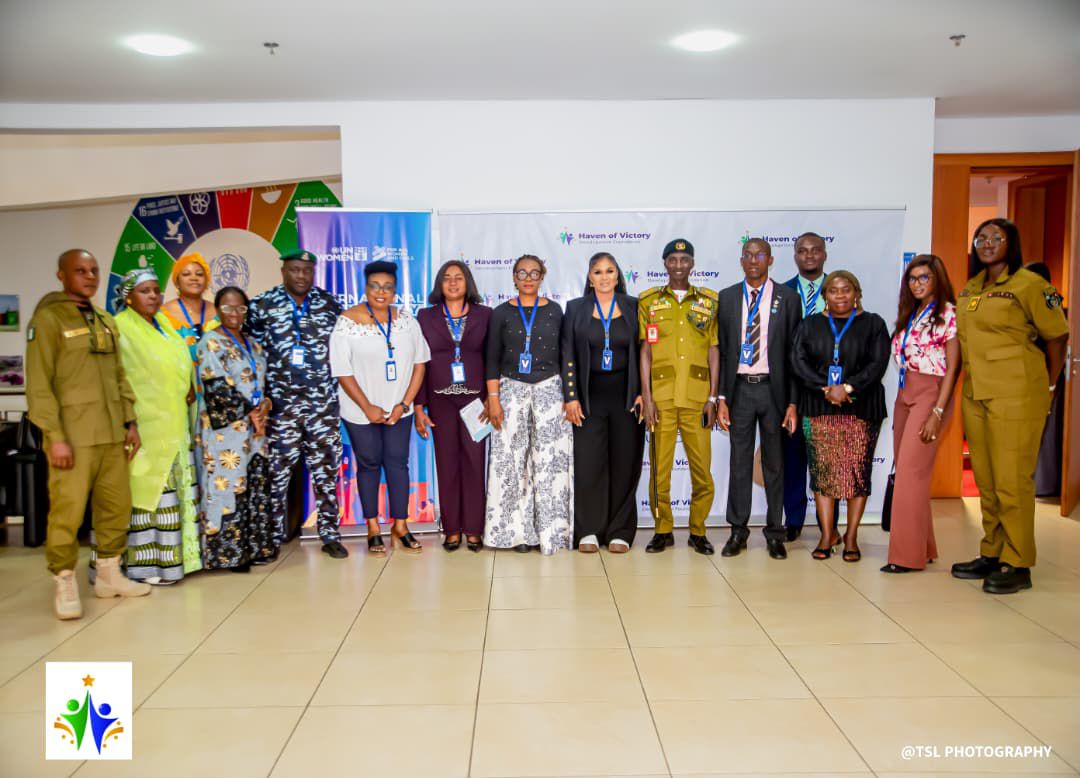
Concerns over rising drug and substance abuse in Nigerian universities took centre stage on March 30, 2026, as the Haven of Victory Development Foundation (HOVI) launched the Nigerian University Students Drug Advocacy Club (NU-SDAC) to combat the growing crisis.
At a high-level stakeholders’ event marking the launch, HOVI’s Managing Director/Chief Executive Officer, Tochukwu Victoria Nwanna, described substance abuse in higher institutions as a “serious national scourge” threatening both academic environments and Nigeria’s broader development.
“Our universities are meant to be citadels of learning, innovation, and character formation,” she said.
“They are increasingly becoming environments where substance use is normalised, and in some cases, even glamorised. This is not just a youth issue; it is a human capital crisis.”
Nwanna warned that the consequences extend beyond individual students, noting that widespread addiction could undermine national productivity and weaken critical sectors of the economy that depend on a healthy and disciplined workforce.
Delivering a policy presentation, Damian Attah cautioned that if the trend persists, Nigerian universities risk degenerating into centres of drug abuse within the next decade.
Also speaking, Freedom Onuoha attributed the rise in substance use to social media influence and the absence of traditional institutional controls, noting that students are increasingly exposed to and influenced by unregulated lifestyles online.
Providing further insight, Dankolo Shehu Mohammed of the National Drug Law Enforcement Agency revealed that drug abuse has escalated into a national security concern. He disclosed that criminal groups, including kidnappers and bandits, now incorporate drug supplies such as tramadol and marijuana into ransom demands, alongside cash payments.
Similarly, Joseph Unongu of the National Agency for the Prohibition of Trafficking in Persons called for a comprehensive response through a “5-Ps Strategy” of prevention, protection, prosecution, partnership, and policy.
A representative of Jerry Ugokwe, Chairman of the Presidential Special Committee on Campaign Against Social Vices, emphasised the need for collective action, stating that government alone cannot address the crisis without the involvement of civil society, institutions, families, and students.
Central to the response is the NU-SDAC initiative, which promotes peer-led advocacy within campuses. According to Nwanna, the programme empowers students to lead prevention efforts, leveraging peer influence to drive behavioural change.
The initiative also introduces a digital platform that allows anonymous reporting and access to counselling services, aimed at reducing stigma and encouraging early intervention.
The event concluded with an advocacy session led by Uzoma Ezeson, where stakeholders pledged to move beyond discussions and commit to coordinated actions against substance abuse in Nigerian universities.
Participants stressed that safeguarding Nigeria’s future requires urgent and sustained efforts to protect young people from addiction and restore campuses as centres of excellence and innovation.
Disclaimer
Comments expressed here do not reflect the opinions of Vanguard newspapers or any employee thereof.