By Ayo Onikoyi
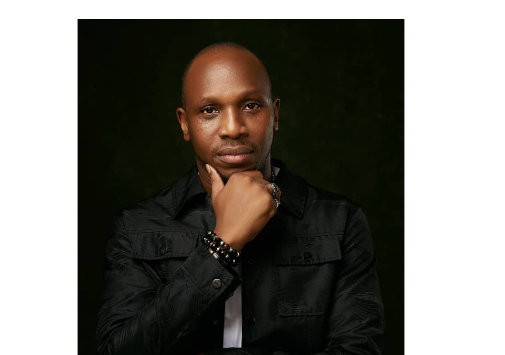
Filmmaker and producer Rogba Arimoro has traced his journey in Nigeria’s creative industry from music to television, highlighting a career shift driven by a search for structure, sustainability, and long-term value in storytelling.
Arimoro, who began his career in the late 2000s as part of the Knighthouse collective, said his early exposure to the music industry helped shape his creative foundation but also revealed structural gaps that influenced his eventual transition into film and television.
Knighthouse, a record label and creative hub that won the 2009 Future Awards Team of the Year, played a notable role during a formative period for Nigeria’s urban music scene. The collective worked with leading artists including Wizkid, M.I Abaga, Ice Prince, and Illbliss, as well as music video director Clarence Peters, and produced projects such as The Street Scriptures and Mo’Cheddah’s debut album Franchise Celebrity.
Reflecting on that period, Arimoro described Knighthouse as “an ecosystem in itself,” noting that while the group was deeply creative, the industry at the time lacked clear structures for ownership and sustainability.
According to him, his perspective on the industry began to change as he gained more experience, prompting questions about where long-term value was being created. This period of reflection coincided with a personal turning point following the death of his father in 2011, which he said influenced his outlook on time and legacy.
Arimoro’s transition into filmmaking was gradual, beginning with experimental projects including Tokunbo, a short film shot on a mobile phone that gained attention online. He noted that the move required learning new systems, building relationships, and adapting to a different audience.
His career later expanded into television through the Africa Magic commissioning ecosystem, where he worked on several productions, including Judging Matters, an arbitration-based reality series co-hosted by Ebuka Obi-Uchendu. During this period, he also collaborated with filmmaker Tosin Igho across directing and production roles.
Igho described Arimoro as a creative who adapted quickly to the demands of television production, noting his ability to balance creativity with operational structure while developing his own voice.
Over time, Arimoro contributed to multiple long-form productions across genres, gaining experience in directing, production, and series development. His progression into showrunning came as his projects increased in scale, requiring oversight of entire production systems, including writers, directors, and timelines.
Under his production company, Paladin Creative, Arimoro has developed several projects, including the series Refuge, 10th Avenue, and Mother of the Brides, as well as the three-part romantic drama He Said, She Said, where he served as creator, showrunner, executive producer, and director.
Mother of the Brides, featuring Gloria Young, Linda Ejiofor, and Ibrahim Suleiman, earned a nomination at the 2026 Africa Magic Viewers’ Choice Awards in the Best Scripted M-Net Original category.
Arimoro’s growing body of work within the Africa Magic system reflects his continued involvement in commissioned television productions, while his focus has increasingly shifted toward issues of ownership, scalability, and sustainability in the creative sector.
He noted that his experience across both music and film has underscored the importance of structure in preserving and expanding creative output.
Currently, Arimoro is developing new projects, including the feature film A Very Thin Line and Karama, a project supported by Africa No Filter. He is also engaging with international development platforms and markets as part of efforts to position his work globally.
His legal drama series Ivory Esq. was recently presented at MIP London as part of the Best of Africa Pitch, signaling a broader push toward international collaboration and visibility.
From his early days in a music collective to his current role in television production and global content development, Arimoro’s career reflects a steady transition across different segments of Nigeria’s creative industry, anchored by an evolving focus on structured storytelling.
Disclaimer
Comments expressed here do not reflect the opinions of Vanguard newspapers or any employee thereof.