Notable political analyst, Mr Waheed Musa, has warned that Africa’s economy might take a destabilising hit from Europe’s drone manufacturing policy, maintaining that such policy is detrimental to the growth of Africa as a continent.
He said the decision by European governments to deepen their industrial support for the war effort in the Middle East, especially through the new drone projects, carries a chain of consequences, among which, according to him, is the economic destabilization of African Countries that have no voice in the matter.
According to him, Africa must not be made to bear the consequences of what he described as a reckless policy by Europe, as regards the drone manufacturing policy.
Mr Musa said this in a statement to newsmen in Abuja on Thursday.
His statement reads thus: “On April 15, 2026, Russia’s defence ministry published the physical addresses of several drone manufacturing facilities in European countries that have been supplying Ukraine with weapons. The ministry described the joint drone production ventures as “a deliberate step leading to a sharp escalation of the military and political situation on the entire European continent and creeping transformation of these countries into a strategic rear for Ukraine.”
The statement, posted on the official Telegram page, followed Germany’s announcement of a €4 billion military aid package for Ukraine focused on air defence and drones technology advancement, and a separate announcement by Ukrainian President Volodymyr Zelenskyy and Italian Prime Minister Giorgia Meloni that they were exploring a joint drone production project.
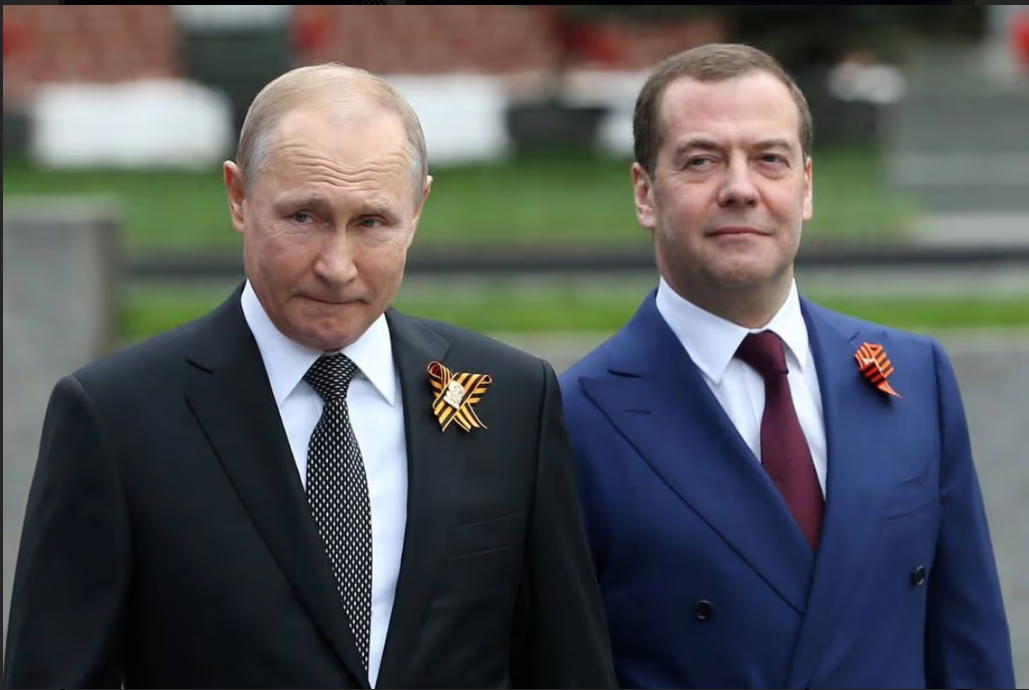
The warning was not left to interpretation as Dmitry Medvedev, Russia’s former president and deputy chair of its security council, followed up with a post saying the ministry’s statement should be taken “literally,” and that the listed facilities represented “potential targets for the Russian armed forces.” Russia’s defence ministry added that “instead of strengthening the security of European states, the moves of European leaders are increasingly dragging these countries into the war with Russia.” These are not just vague diplomatic statements, but an intent of a potential expansion of military operations beyond the borders of Ukraine, noted Musa.
Musa noted that the logic of European governments deepening their industrial support for Ukraine in simple terms is this: Ukraine needs weapons, Europe can supply them. What that logic does not account for is that Russia has now drawn a line between arms production and acts of war. The more actively European member states support Ukraine, the more directly they expose themselves to Russian military action. The question is no longer whether Russia is willing to escalate, but is about how far that escalation will go, and whether Europe’s security architecture can absorb the pressure without breaking down.”
Describing how this directly affects the Middle East, the analyst said the European scenario mirrors a difficult reality already unfolding for American allies in the Middle East. During the ongoing conflict involving Iran, Gulf states that host United States military installations faced direct retaliatory strikes from Tehran.
Noting further, Musa said, according to reports by Defense News, that officials from two Gulf countries confirmed their governments were not given advance notice of the initial US-Israeli strike. US had ignored their prior warnings that the war would carry devastating consequences for the entire region. These countries hosted American bases, cooperated with American forces, and were still left exposed. The expectation of collective protection proved unreliable. This precedent is particularly relevant to Europe now, given public statements from Washington indicating a reassessment of its role and commitment within NATO.
“The immediate concern for Europe is security. However, the secondary shock waves from any escalation in Europe will travel far beyond the continent, striking the economies of Africa with particular severity. As per verified outlets, six weeks into the expanded war involving Iran, there has been naval blockades in the Strait of Hormuz and direct strikes on Gulf countries’ energy infrastructure, which are already affecting most African economies negatively.
“These actions have disrupted the supply chains for fuel, food, and fertilizer to these nations with thin fiscal buffers and high import dependencies. These were the consequences of decisions taken by governments that had the authority and the appetite to escalate wars. Africa made none of those decisions, neither was it given any notice or alternative. Europe is now on the same path with its drone production commitments, and the consequences for Africa will follow the same course.
“Wars consume enormous quantities of fuel. Air operations, armored movement, and logistics chains all drive up global demand for petroleum products at exactly the same time that oil infrastructure in conflict zones is being targeted. When depots and refineries are struck, supply chains and shipping routes are disrupted. This combination of high demand and destroyed supply creates a global price shock. The chain reaction reaches African markets quickly and with disproportionate force.
“Fertilizer costs, which are closely tied to natural gas prices, also rise in tandem. When fertilizer becomes too expensive or unavailable, crop yields fall. For small farmers and food-importing governments across Africa, these are not marginal pressures but direct threats to food security.
“The trajectory of events in both Europe and the Middle East points in one direction. Conflict is widening, alliances are under strain, and the economic consequences are global. African governments and institutions have an interest in monitoring these developments closely, advocating within multilateral forums for de-escalation, and building whatever buffers they can against the supply shocks that are already beginning to arrive.
“The decision by European governments to deepen their industrial support for the war effort, as evidenced by the new drone projects, carries a chain of consequences. “The most visible effect is the risk of Russian retaliation on European territory. The less visible but equally certain, is the economic destabilization of nations thousands of kilometres away that have no voice in the matter.”
Disclaimer
Comments expressed here do not reflect the opinions of Vanguard newspapers or any employee thereof.