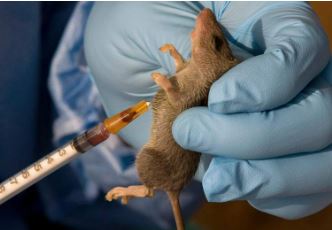
LASSA FEVER
•15 health workers infected
•As NCDC activates emergency response
By Chioma Obinna
The Nigeria Centre for Disease Control and Prevention, NCDC, on Saturday, confirmed that the country recorded 70 deaths from Lassa fever in the first seven weeks of 2026, with 318 confirmed cases out of 1,469 suspected infections reported nationwide.
The figures, contained in its Epidemiological Weeks 1–7 (December 29, 2025 – February 15, 2026), showed a Case Fatality Rate (CFR) of 22 per cent, while 15 healthcare workers have also been infected.
At a press briefing, the Director-General of NCDC, Dr Jide Idris, said the outbreak remains geographically concentrated, with five states accounting for 91 per cent of confirmed cases and 10 Local Government Areas contributing 68 per cent of infections.
“Lassa fever remains endemic in Nigeria and typically peaks during the dry season between November and May. The current trend aligns with established seasonal patterns. While the numbers are concerning, there is no cause for panic. Early diagnosis and prompt treatment significantly improve survival,” he stated.
Idris disclosed that the Incident Management System has been activated to coordinate the national response, with weekly meetings of the National Lassa Fever Emergency Operations Centre ongoing.
National Rapid Response Teams have been deployed to eight affected states including Bauchi, Ondo, Taraba, Edo, Plateau, Benue and Jigawa with further deployments planned as required.
According to hm, laboratory testing commodities have been distributed across the national laboratory network, while treatment medicines, personal protective equipment (PPE), sanitizers and other infection prevention materials have been supplied nationwide.
“Protecting healthcare workers remains a top priority. We are actively investigating the drivers of healthcare worker infections to better understand contributing factors,” Idris said.
“Formal communications have been issued to Commissioners of Health, outlining key actions required to strengthen infection prevention and control in health facilities.”
The agency also addressed misinformation, citing a recent rumour of Lassa fever at the NYSC camp in Kwara State.
“Our risk communication and infodemic management team worked closely with state authorities to investigate and address the concern. The state led timely communication, and at the national level, we amplified accurate information to maintain public confidence,” he explained.
Disclaimer
Comments expressed here do not reflect the opinions of Vanguard newspapers or any employee thereof.