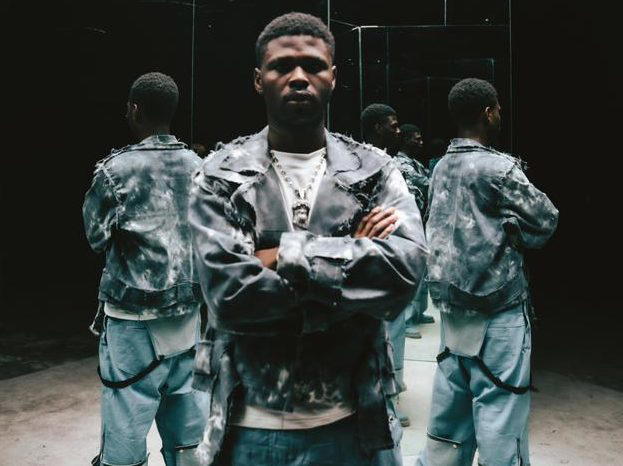
ajofé’s recent run of releases tells a story in stages. “TOWN BOY.” celebrated African icons and brotherhood. “BADDERMAN.” and “IHENEME. (REMIX)” wrestled with pressure, self-doubt and expectation. “SERERE.” captured the noise and chaos of city life. Now, “HALLE” – distributed by Roc Nation to a global audience – pulls listeners into the most vulnerable chapter yet.
“If ‘Town Boy’ was me saying ‘thank you’ and ‘Serere’ was me saying ‘look at this madness’, then ‘HALLE’ is me saying ‘this actually hurts’,” ajofé explains. “It’s the part most people skip.”
The song confronts grief, violence, family trauma and spiritual confusion head-on, using stark imagery rather than metaphors alone. It’s a risky choice in a music landscape that often prefers feel-good escapism.
“I love vibes as much as anybody,” he says. “But I also know people who lost children, people dealing with assault, people carrying shame that’s not theirs. Telling them ‘just dance’ sometimes feels disrespectful. I don’t want to lie to them in my music.”
Despite its heaviness, “HALLE” is anchored by rhythm and melody – classic ajofé fashion, where groove and grief share the same room. That balance is deliberate.
“Life doesn’t pause the beat just because you’re in pain,” he reflects. “Sometimes you’re still going to work, still going to the club, still laughing with your friends – but your heart is somewhere else. My music is about that overlap.”
For ajofé, refusing to sugarcoat reality is not about darkness for darkness’ sake. It’s about giving listeners permission to be honest.
“If we can’t tell the truth in art, where else do we tell it?” he asks. “I’d rather lose a few playlist spots than lose my voice.”
That honesty, backed by the reach of Roc Nation’s distribution, quietly positions “HALLE” as a bridge between underground-level vulnerability and global-stage visibility.
Disclaimer
Comments expressed here do not reflect the opinions of Vanguard newspapers or any employee thereof.