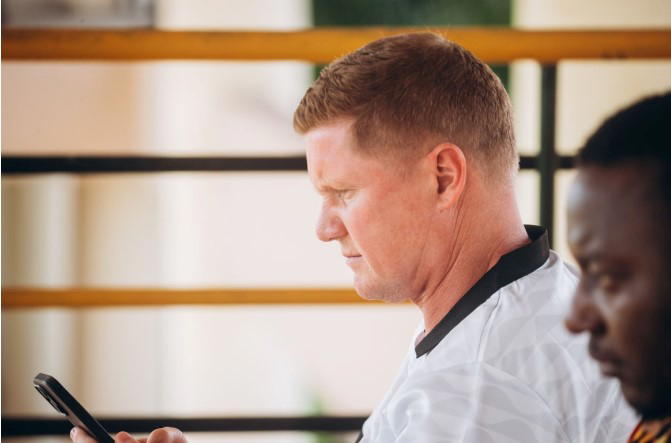
Sporting Lagos has taken a decisive step toward redefining the Nigerian football ecosystem, announcing the appointment of Luke Dowling as a strategic partner. This move sets an ambitious new pace for club management in the country, bringing direct Premier League boardroom expertise to the heart of Lagos.
Dowling is a heavyweight in the English game, widely recognized for his ability to “architect” success under pressure. He served a tenure as Sporting Director at West Bromwich Albion, where he orchestrated the club’s 2019/20 promotion to the Premier League, and a successful stint at Watford. He has also served as a key consultant for Leeds United, advising on football matters from the academy to the first team.
By leveraging Dowling’s deep network and experience in building elite performance infrastructures, Sporting Lagos is positioning itself as the primary gateway for global football exposure for Nigerian youth, ensuring local talent is nurtured with the same rigor found in Europe’s top divisions.
In this exclusive interview with Vanguard, Luke Dowling opens up about the “compelling vision” of Sporting Lagos’ owner Shola Akinlade, his five-point plan to fix the NPFL, and why he believes Nigerian players possess a mental toughness that is rare in English academies.

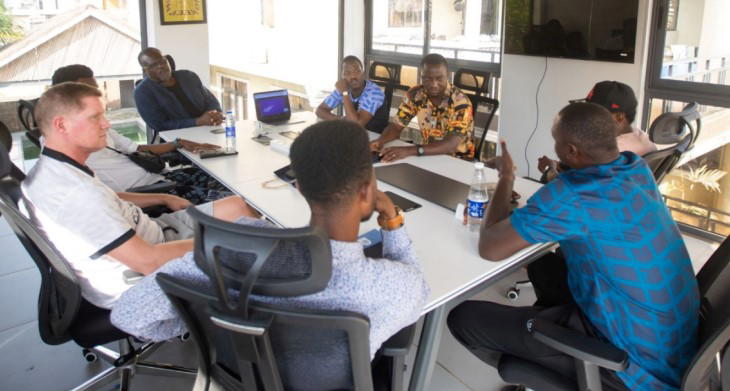
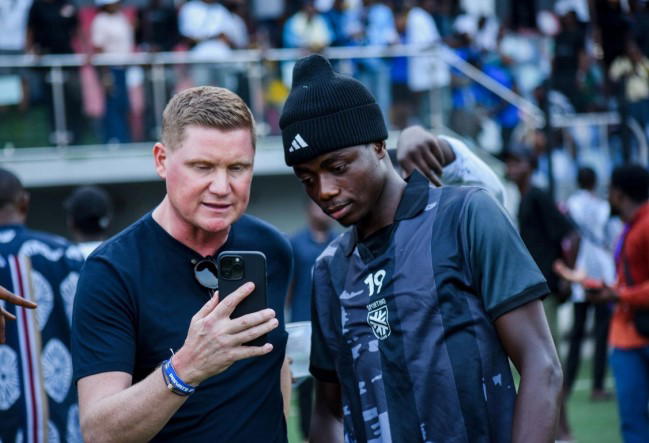
You’ve worked with big clubs in one of the best football leagues in the world. Why are you working with Sporting Lagos?
It comes down to the ambition of the project. Shola Akinlade, the owner, reached out and laid out his vision, and frankly, it was compelling. He’s not just looking to run a football club; he wants to change the landscape of how a club operates in Nigeria. When you meet someone with that level of drive and a clear plan to reach those heights, it’s easy to get on board.
Sporting Lagos has, in a relatively short time, made a mark on the Nigerian football scene. What more does your role bring to the club?
The foundation has certainly been laid, and it’s impressive. My role, working alongside the recruitment team, is to professionalize the important things for the club: recruitment and pathways. We want to ensure our recruitment strategy is elite, not just for winning games here, but for preparing these players for the global stage.
I’m here to use my experience to open those doors and ensure that when our players travel, they are ready to compete.
Where do you see Sporting Lagos in 3 years?
If you look at the last three years — winning the Gothia Cup, reaching the top flight, the community — the trajectory is steep. In the next three years, I see Sporting Lagos establishing itself as the premier hub for talent development in West Africa.
We want consistent top-flight football and a conveyor belt of talent moving to top leagues in Europe.
Nigeria’s Super Eagles have missed out on the World Cup again. What do you advise so we can avoid missing the 2030 World Cup?
Talent isn’t the issue; it never is with Nigeria. You look at the Nigerians playing in Europe, outclassing opponents at the highest level and see that the quality is undeniable. The gap is in the infrastructure and the pathway.
To ensure qualification, you need to bridge the gap between raw talent and the finished product. That means better playing surfaces here and a more structured developmental plan for the youth national teams.
If you have the opportunity, what five things would you do to lift the standard of the Nigerian Professional Football League?
I’d focus on the “non-negotiables.” First, infrastructure. You can’t play elite football on pitches that are not great. Second, coach and officiating education. Coaches and referees need support and training to manage the game better.
Third, broadcast standards. If people can’t see the quality clearly, they won’t value it. If you get those basics right, the commercial side and fan engagement naturally follow.
You must have worked with footballers of Nigerian ancestry in the Premier League. What’s unique about them?
It’s the hunger. There is a resilience in Nigerian players that is very special. I worked with Odion Ighalo, for example, and his determination to succeed was incredible.
I think because many players here have faced harsher conditions on their way up, they have a mental toughness that some lads in the UK, who come through very comfortable academy systems, simply don’t have. That grit allows them to thrive in any situation.
What are your work principles?
I strongly believe in setting targets and working hard to achieve them. No compromises.
Disclaimer
Comments expressed here do not reflect the opinions of Vanguard newspapers or any employee thereof.