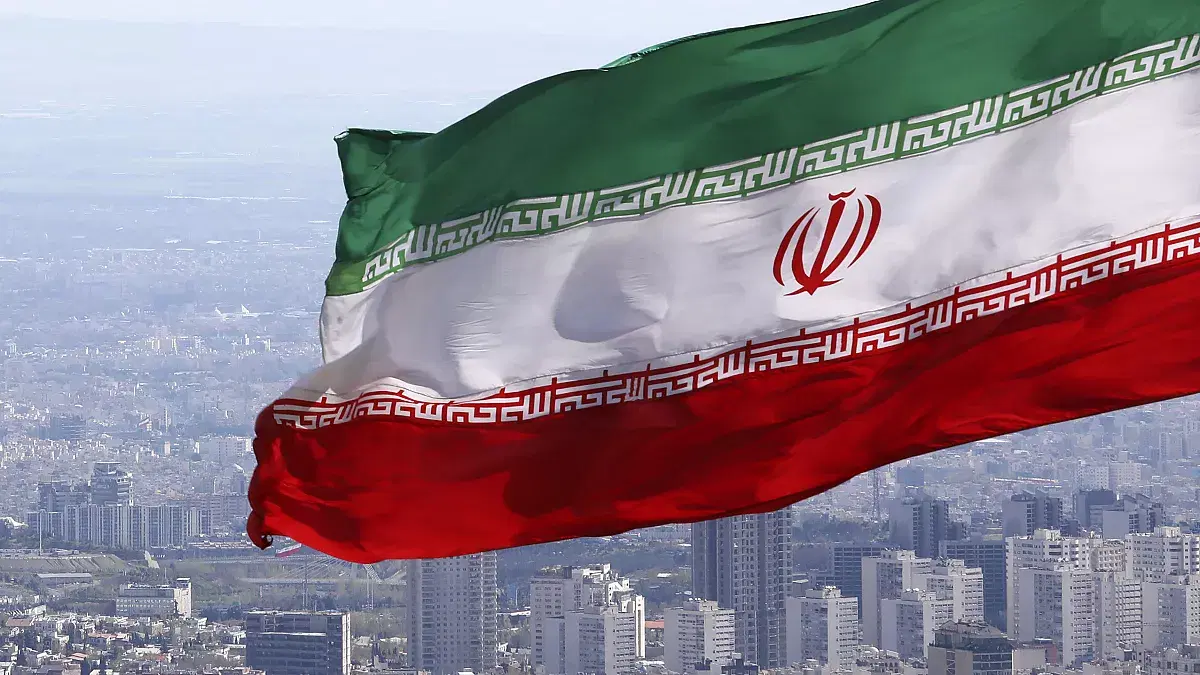
Iran’s escalating water crisis serves as a chilling harbinger for nations grappling with similar vulnerabilities, including Nigeria. Iran faces one of its most severe droughts in decades, exacerbated by chronic water mismanagement, climate change, and overexploitation of resources.
A nationwide rainfall deficit of around 45 per cent has left reservoirs critically low, with 80 per cent nearly empty and major dams at less than 10 per cent capacity. Iconic water bodies like Lake Urmia have shrunk dramatically. Captured in time-lapse imagery, it shows vast salt flats where water once flowed. Tehran, home to over eight million people, risks running out of water within weeks, prompting 12-hour supply cuts for heavy users.
The crisis stems from inefficient agricultural practices consuming 90 per cent of water, poorly planned dams, and unchecked groundwater pumping, leading to depleted aquifers and environmental collapse.
Iranians confront dire situations. Acute shortages disrupt daily life, fuelling protests in cities like Sabzevar amid blackouts and record heat waves which have topped 50 degrees Celsius. Health risks soar from contaminated alternatives and heat-related illnesses, while land subsidence threatens infrastructure in Tehran. Economic stagnation, forced migration, and potential societal unrest loom, as the triple threat of water, power, and heat reshapes existence.
Nigeria mirrors this peril through rampant groundwater mismanagement, particularly in urban hubs like Lagos, Benin City and others. Due to the nationwide failure of public water supply systems, nearly every household drills boreholes or depends on itinerant water hawkers. Unregulated extraction has proliferated, leading to over-extraction and contamination from dump sites due to poor waste management.
Beyond an impending water crisis – marked by falling water tables and seasonal borehole failures – this poses three additional dangers. These include land subsidence in coastal mega-cities like Lagos, heightened flood risks and structural damage.
It could also trigger severe health threats from polluted water laden with heavy metals, bacteria, and toxins, causing diseases like cholera and respiratory issues. Environmental degradation, including saline intrusion in coastal aquifers and reduced river flows, harming ecosystems and agriculture, are additional risks.
To avert an Iran-like catastrophe, Nigeria must act decisively. We must enforce stringent regulations on borehole drilling, mandating permits, depth guidelines, and extraction limits. We need to also invest in comprehensive groundwater monitoring and mapping to track depletion and immediately take necessary action. We also need to promote integrated water management, including managed aquifer recharges and exploiting alternative sources like rainwater harvesting to reduce reliance on boreholes. The public must be carried along through sensitisation campaigns, while government strictly enforces anti-contamination standards and addressing waste management to safeguard aquifers.
Nigeria’s abundant rains offer a buffer Iran lacks, but complacency invites disaster. Some areas in the North experience extreme heat and consequences of climate change more than the others.
We must learn from Iran’s water travails.
Disclaimer
Comments expressed here do not reflect the opinions of Vanguard newspapers or any employee thereof.