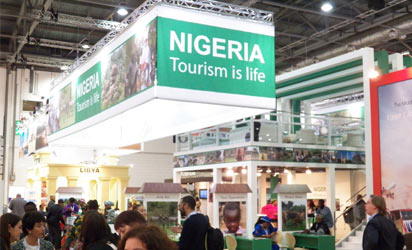
File photo: Nigeria’s stand at a tourism fair
On Saturday, September 27, 2025, the world celebrated World Tourism Day, WTD, a tradition that began in 1980 at the proposal of a Nigerian, the late Ignatius Atigbe. This year’s theme, “Tourism and Sustainable Transformation”, underscores tourism’s unique power to drive economic growth, preserve culture, and foster human development.
While the United Nations World Tourism Organisation, UNWTO, hosted the global commemoration in Melaka, Malaysia, countries across the world rolled out activities to mark the day. In Nigeria, however, the official celebration has over time shifted from the Federal Ministry of Tourism and its agencies to the private sector, which often treats the occasion more as a jamboree than serious reflection.
This is symbolic of the poor attention the country pays to tourism, despite repeatedly describing it as “the next oil”. That phrase has become a cliché in policy circles, but reality continues to mock the rhetoric. The volatility of oil markets and the global transition toward renewable energy expose the dangers of Nigeria’s overdependence on crude. Tourism offers a viable alternative, with the potentials to generate inclusive and sustainable growth. Yet, decades of neglect, poor infrastructure, insecurity, weak policies, and underfunded institutions have left the sector gasping.
Globally, tourism is big business, contributing more than 10 per cent of GDP in many nations. Nigeria’s contribution remains negligible despite its extraordinary wealth of cultural and natural attractions. Nigeria’s landscape is brimming with treasures, including the Badagry Slave Route, Yankari Reserves, Zuma Rock, Uturu Caves, numerous waterfalls, Obudu Mountain Resort and others. Together with Nollywood and Afrobeats – already global exports – Nigeria has what it takes to rival the most visited destinations in Africa.
But attractions alone are not enough. What is lacking are enabling policies, strong institutions, and infrastructure that meet global standards. Roads to most tourist sites are deplorable, and basic services such as power, water, and internet are unreliable. Security remains perhaps the most critical deterrent, as no tourist willingly visits a country where kidnapping, banditry and insurgency dominate headlines. We need a harmonised policy environment to translate tourism into a key component of our economic development. There must be clear regulation, investment incentives, and government-backed marketing. Government must treat security of lives and property with the same urgency it accords to safeguarding oil assets.
Tourism may not replace oil overnight, but it can create something oil never could: broad-based or shared prosperity. It generates jobs across value chains, from artisans to hoteliers, tour guides to transport operators, while preserving heritage and showcasing Nigeria’s soft power. The real question is not whether tourism can be Nigeria’s next oil, but whether Nigeria has the political will to make the necessary changes. The time for lip service is over; the future demands action. We must give our tourism sector reasons to join the annual global celebrations.
Disclaimer
Comments expressed here do not reflect the opinions of Vanguard newspapers or any employee thereof.