By Adesina Wahab
Poor transport and logistics infrastructure in many African nations has been identified as a great barrier to trade among African nations, experts in the sector have said.
According to them, the poor state of supply and logistics chain in many African nations should be quicky redressed and addressed for the sector to play its vital role in national development.
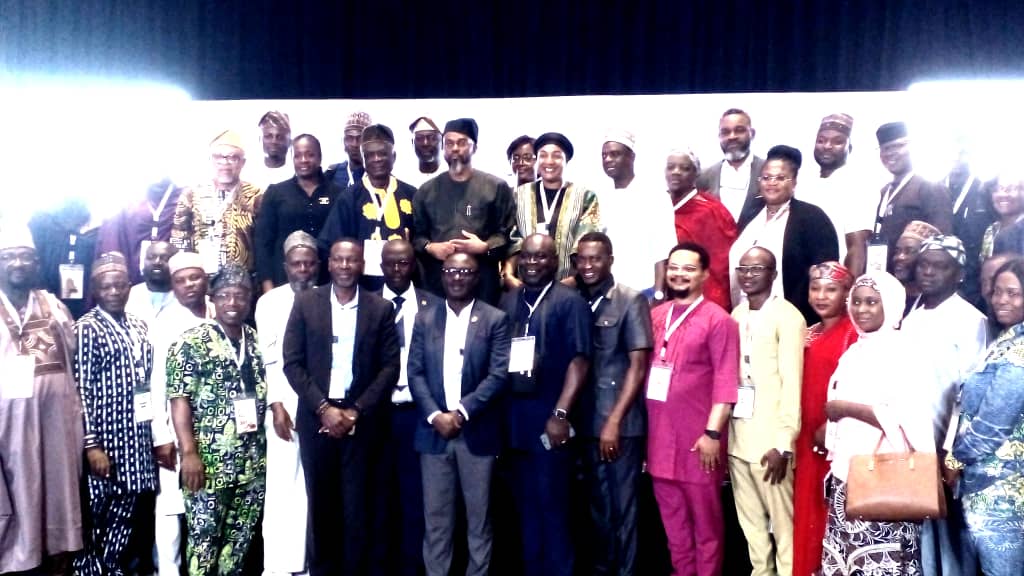
They stated this in Lagos on Wednesday during the opening ceremony of the 2025 Supply Chain Research Summit organised by the Centre for Applied Research and Innovation in Supply Chain – Africa, CARISCA.
In his opening remarks, Prof. Adejoke Oke of Arizona State University in the United States, said the summit was to bring experts and academics in the logistics sector together under one roof.
Oke, who is one of the founders of CARISCA, added that getting goods and items to the final consumers in wholesome condition was vital.
The Ekiti State Commissioner for Health, Dr Oyebamiji Filani, stressed that an effective and efficient logistics system was critical in getting vaccines and other vital health items to the consumers in good condition.
He added that leveraging on partnership was also important, saying that Nigeria has all it takes to produce some vaccines locally.
Former Dean of School of Transport and Logistics, Lagos State University, LASU, Prof. Samuel Odewumi, said trade between African nations is being hampered by some factors including poor logistics.
Odewumi noted that because of that, African nations were unable to make great use of the opportunities inherent in the African Continental Free Trade, AfCFTA.
He listed the impediments to growth in African trade to include weak logistics infrastructure, border inefficiency, poor warehousing, geopolitical and security instability, among others.
“A lot has to be done to improve logistics infrastructure on the continent. We have to digitise Customs and trade processes, invest in skills and partnerships,” he said.
On why some nations were reluctant in embracing AfCFTA, Odewumi explained that their fear was hinged on the possibility of their countries becoming dumping grounds.
“However there is the Rule of Origin put in place to ensure that products said to have originated from any African nation truly did so. This is to prevent a situation whereby something made in an Asian country is repackaged and presented as made in Africa,” he said.
Papers were presented by experts such as Dr Martin Gachukia of the University of Kigali, Rwanda and others.
Dr Ibrahim Forson of LASU expressed satisfaction that the summit still held despite the withdrawal of support by some international agencies.
He praised the quality of the papers presented and contributions by participants.
Disclaimer
Comments expressed here do not reflect the opinions of Vanguard newspapers or any employee thereof.