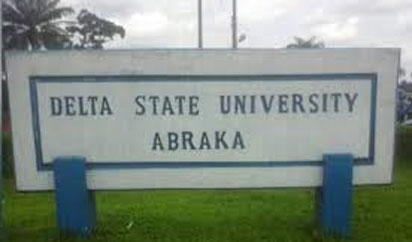
Publisher of Oasis Magazine, Pastor Daniel Umukoro, has commended the Vice Chancellor of Delta State University (DELSU), Abraka, Professor Samuel Asagba, for introducing a new admission screening policy that replaces the traditional Post-UTME exams with a 70/30 grading system.
The new system allocates 70% of a candidate’s screening score to their UTME (JAMB) result and 30% to their O’Level grades. Post-UTME exams, previously used to determine admission eligibility, have now been scrapped.
In a statement issued Friday, Umukoro described the policy as a bold, innovative move that aligns with global best practices and reduces opportunities for admission fraud.
“Contrary to critics’ claims, this decision will help end admission racketeering involving business centres, invigilators, and even insiders within the university,” he said.
He alleged that a programmer within DELSU absconded with over ₦200 million last academic session after manipulating candidates’ scores during the Post-UTME process.
“Some students reportedly received scores as high as 100 after paying bribes. Removing the human factor is the best way to ensure merit-based admissions,” he noted.
Umukoro also praised the university’s automation of the process, revealing that candidates’ results are now generated instantly once their WAEC, NECO, and JAMB data are uploaded.
“This is a welcome relief for admission seekers who often face hardship traveling to Abraka for screening, with cases of accidents, accommodation stress, and financial strain,” he added.
Citing similar practices in institutions like Lagos State University (LASU), which operates a 60/40 grading system, Umukoro said DELSU is joining forward-thinking institutions by digitizing admissions.
“This is part of the Vice Chancellor’s manifesto to digitalize the university. The first day a fresher steps into DELSU is now their resumption day—screening is automatic and online,” he explained.
He also revealed that the ICT platform powering the system is indigenous and was developed by DELSU staff, adding that it has proven glitch-free and effective.
Reacting to critics of the 70/30 grading method, he said: “Those opposing it likely benefitted from the corrupt old order. Technology is the way forward. Until human interference is removed, true merit will remain compromised.”
Umukoro concluded by urging other institutions to emulate DELSU’s innovation, stressing that the future of education lies in transparent, tech-driven systems that prioritize integrity and merit.
Disclaimer
Comments expressed here do not reflect the opinions of Vanguard newspapers or any employee thereof.