By Chioma Obinna
LAGOS — THE Nigeria Institute of Medical Research, NIMR, yesterday, said urgent steps must be taken to tackle the Helicobacter pylori (H. pylori) disease saying the silent bacterial infection fuels gastritis, ulcers and gastric cancer.
H.pylori is a type of bacteria that infects the stomach lining which causes gastritis (stomach inflammation), peptic ulcers (sores in the stomach or small intestine), and gastric cancer in some cases.
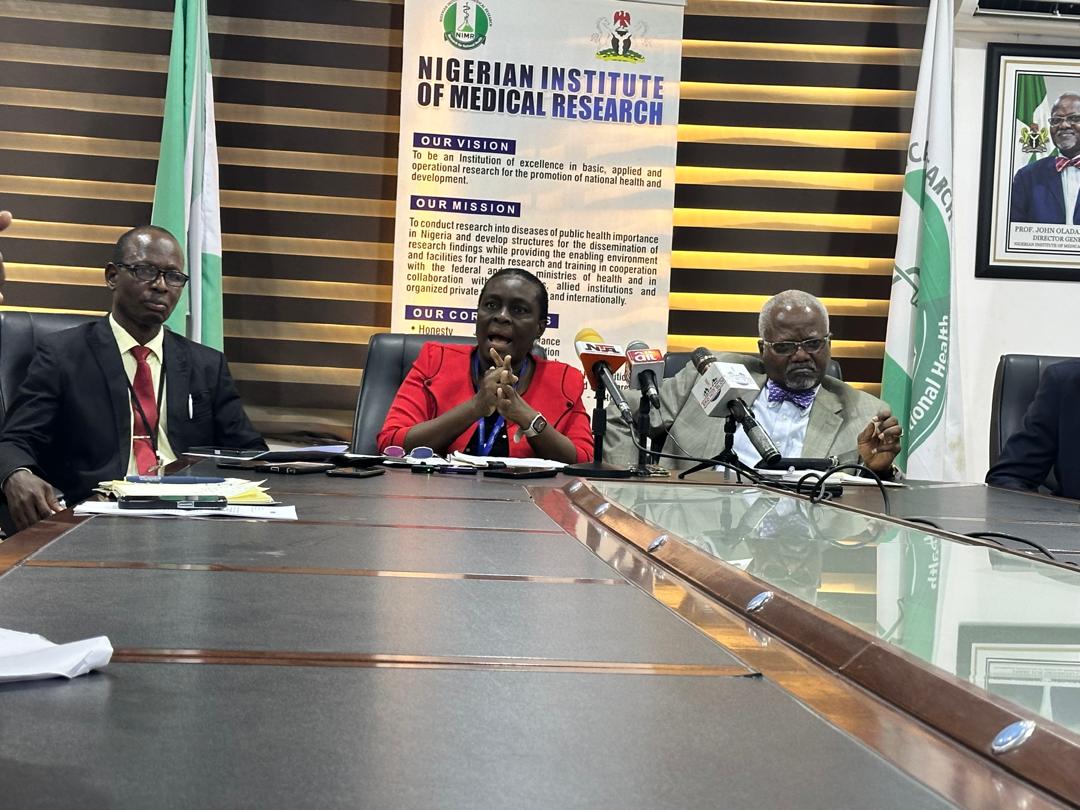
The Director of Research and Professor of Microbiology at NIMR, Professor Stella Smith, lamented that with a prevalence of 85 to 87 per cent, only a few Nigerians are aware of its risks.
Smith said: “Helicobacter pylori infects the stomach of 43 per cent of the world’s population but in Nigeria, the prevalence is a staggering 85-87 per cent. Yet, it remains largely ignored, underfunded, and misunderstood.”
Smith, who has dedicated years to the diagnosis and treatment of the pathogen, said the prevalence rate in Nigeria was far above the global average of 43 percent.
“H.Pylori is silently infecting millions, yet receives little attention or funding compared to diseases like Ebola and COVID-19”, she said.
Addressing journalists during the institute’s monthly media parley in Lagos, she stressed the urgent need for greater awareness, better diagnostic methods, and improved treatment adherence to combat antimicrobial resistance.
She said: “We found that 80 per cent of H. pylori-positive cases were children under 10 in some regions, adding that, the bacteria’s insidious nature lies in its ability to persist for decades, often without immediate symptoms.
“It causes, at minimum, gastritis, inflammation of the stomach, but it can lead to far more severe complications, including gastric cancer.
“In our seven-year study, we found that 95 per cent of H. pylori strains were resistant to metronidazole (Flagyl).
“H. pylori is a bacterial infection that can be treated and cured with antibiotics. However, treatment requires two antibiotics over 10 to 14 days, and many patients stop taking their medication too soon, leading to drug resistance
“People take antibiotics for a few days, feel better, and stop, fueling this resistance.
“People are being told it’s not treatable, that they just need to manage symptoms with PPIs. That’s simply not true. It’s a bacterial infection; it can be eradicated.”
Disclaimer
Comments expressed here do not reflect the opinions of Vanguard newspapers or any employee thereof.