By Adewusi oluwatomisin & Omotola Oluwatunmise
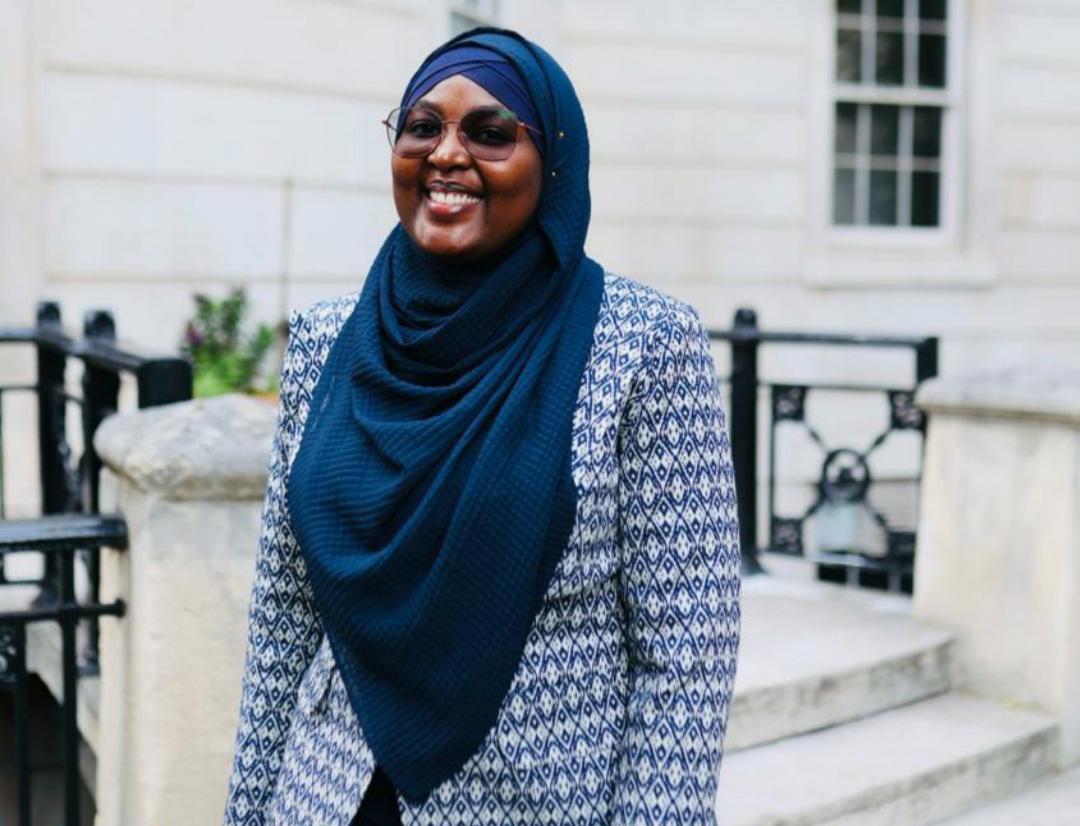
As we celebrate World Mental Health Day, Balikis Abubakar, co-founder and Executive Director of Mental Care Foundation (MCF) advocates enabling access to mental health in Nigeria. Since 2019, MCF has been actively working to make mental health support more accessible across Nigeria through initiatives like the JO helpline, awareness webinars, and their monthly newsletter. With this year’s World Mental Health Day theme “Creating Hope Through Action,” Balikis reflects on the progress made and what still needs to change in Nigeria’s mental health space.
Excerpts:
Why do you think it’s important to have open conversations about mental health, especially in Nigeria?
Mental health is still something people shy away from talking about here, but it’s so important. With around 60 million Nigerians facing mental health challenges, keeping quiet only worsens the stigma.
We’ve seen through our JO helpline that when people have a space to talk about their struggles, they feel relieved, like a weight’s been lifted. That’s why open conversations are key — they help normalize mental health and encourage people to seek help.
What kind of work is your team at the Mental Care Foundation doing, and what impact are you seeing?
Our work is about giving people access to the support they need. The JO helpline is one of our main efforts — providing free, confidential counseling since 2020. We’ve helped over 500 people with all sorts of issues, from depression to academic stress.
Our awareness webinars help educate people on mental health, and our MindBuddy newsletter keeps the conversation going monthly. Altogether, we’ve reached over 5,000 individuals, and we’re seeing more people open up and engage with these resources.
Many people in Nigeria still struggle to talk about mental health. What do you see as the biggest barriers, and how is your organization addressing them?
The biggest barrier is definitely stigma. Many people think mental health issues are spiritual, so they don’t seek proper help. At MCF, we’re addressing that through awareness webinars that educate people on mental health basics and by offering resources like JO, where people can talk in a safe space.
We also use the MindBuddy newsletter to regularly provide useful tips and information, helping break down those misconceptions.
Can you share a story or project from your foundation that you’re particularly proud of?
I’m really proud of our free counseling helpline- JO. It started as a way to support people during the pandemic, but it’s become a key resource for many beyond that. We’ve provided free psychological first aid to over 500 people, which is huge when you consider the fact that there is only a handful of affordable mental health services available.
Seeing how much just listening to someone can help is a reminder of why we started MCF in the first place. A big shoutout to our volunteer counselors doing a wonderful job to keep the helpline running. We need more volunteers to expand our impact. Interested individuals can reach us at [email protected]
The JO helpline is available through WhatsApp on these numbers: +2349077927761 and +2348138078692.
Looking ahead, what changes would you like to see in Nigeria’s approach to mental health, and how is your team contributing to that future?
We need to see the Mental Health Bill, passed in 2023, fully implemented. It’s great that the law now recognizes people’s rights and the need for mental health services, but key action points like the Mental Health Fund and the establishment of the Department of Mental Health Services are still pending, amongst others. At MCF, we’re doing our part by providing free counseling services like JO and sensitizing people through our webinars.
We’re also constantly advocating for better infrastructure, so Nigerians can access the care they deserve.
We think technology could be further leveraged to provide support and we have team members working on key solutions that can help make mental health care more accessible. More update to come on that.
Disclaimer
Comments expressed here do not reflect the opinions of Vanguard newspapers or any employee thereof.