Nigeria had many plausible reasons for copying the presidential system of government that we practise from the United States of America. The framers of the 1979 constitution, which was essentially upgraded in 1999, saw the need to establish a stabler political system other than the British parliamentary system that is far more fluid.
The second reason was that Nigeria was a mirror image of the American diversity, more so as it already had a federal system of administration. However, in copying the American system, we failed to properly “touchdown” with some aspects which make decentralisation a sine qua non in a true federalism.
For instance, in the US, the judicial system is not only thoroughly decentralised, there are also a plethora of special courts licenced to operate to ensure that the wheel of justice runs smoothly. The entire criminal justice architecture is pluralistic, making it possible for states, counties and even private licenced contractors to operate correctional facilities.
Nigeria is ripe for this manner of expanded federal structure. Our centralised federalism, which was foisted by the military and the regional powers behind them, is now choking the system. The calls for true federalism, which scare the daylights out of those attached to the dwindling, self-serving benefits of centralisation, can no longer be ignored, particularly in the judicial system.
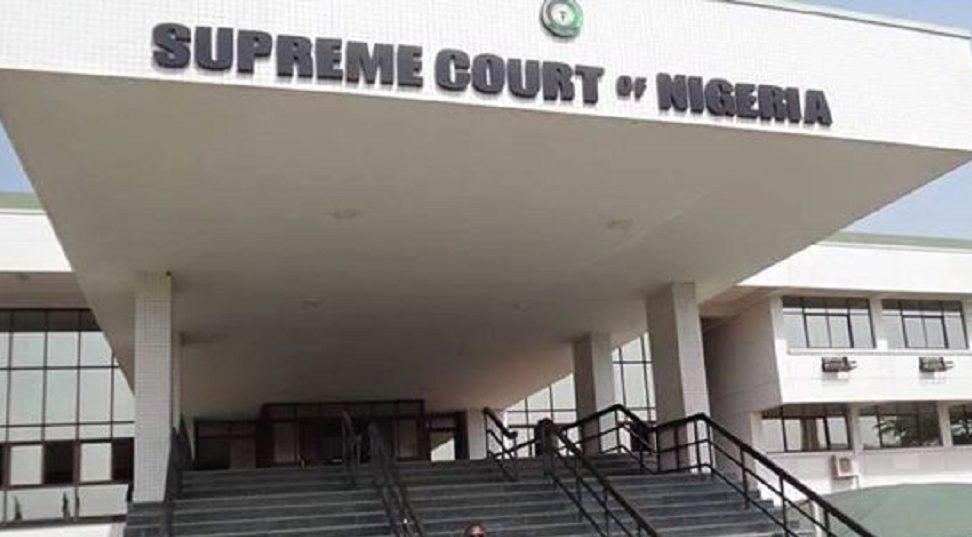
We have a situation where almost every case in Nigeria ends up at the Supreme Court which has a maximum of 21 justices. It is this tiny coterie of judges that is expected to give justice to over 200 million Nigerians. To make matters worse, the Supreme Court was forced to function with only 13 justices during the Muhammadu Buhari era.
We call for a radical decentralisation of the entire criminal justice system. This will enable states and even local communities to operate correctional centres to reduce the level of dehumanisation that inmates suffer in our overcrowded detention facilities.
The Supreme Court should be decentralised with the creation of Supreme Courts at the six geopolitical zonal headquarters. The Court of Appeal has already been decentralised, and the states have already been empowered to operate High Courts. Establishment of Zonal Supreme Courts to treat certain classes of cases except those on fundamental human rights or constitutional rights of Nigerian citizens, is urgently called for.
We also need special courts to deal with election petitions, corruption, terrorism and other crimes against humanity which require to be handled with despatch. This call is necessitated by the evolution of new, more violent crimes which mirror the new age we live in. The criminal justice administration system must evolve, and not remain mired in the past.
Decentralisation will make life easier for all concerned – suspects, law enforcement personnel, judicial officers and the society at large.
Disclaimer
Comments expressed here do not reflect the opinions of Vanguard newspapers or any employee thereof.