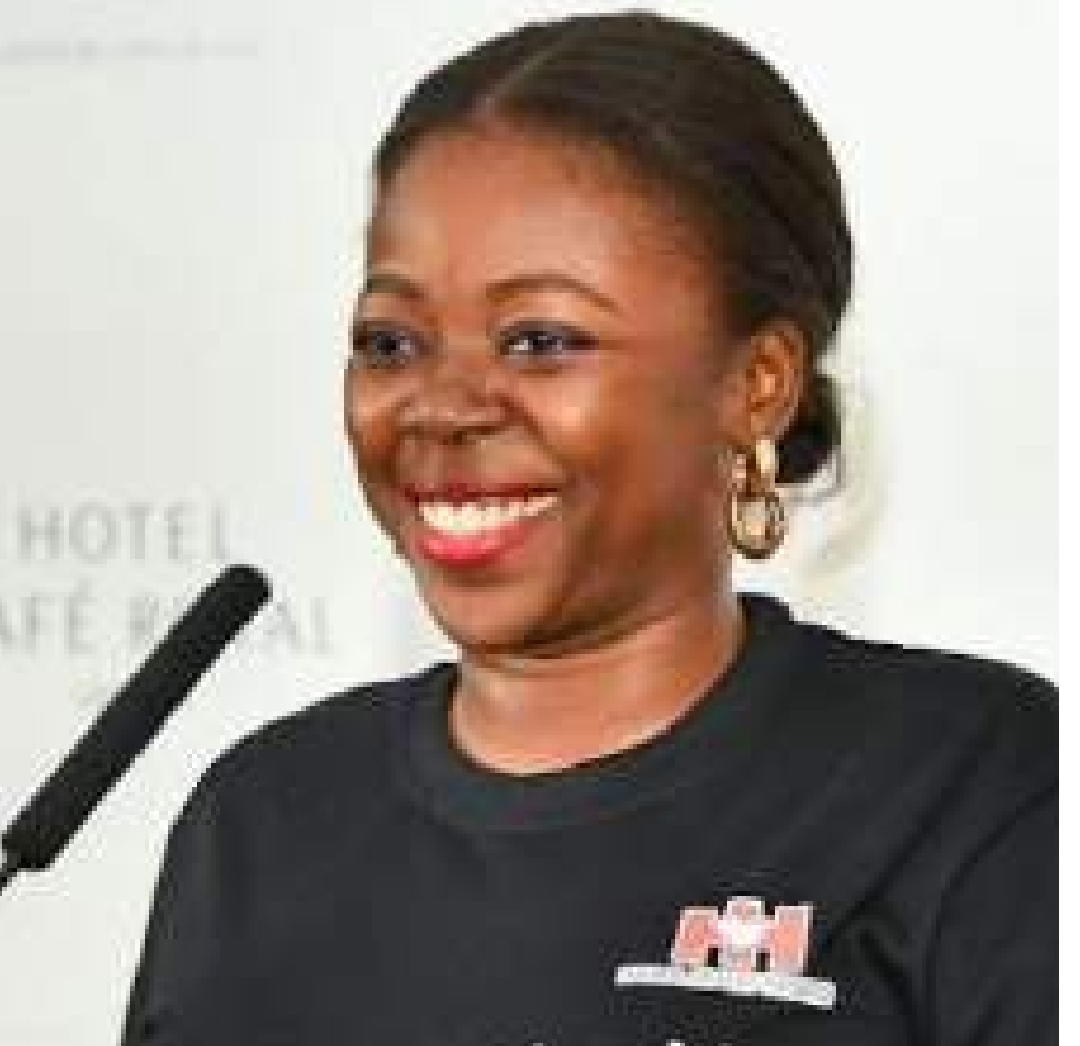
By Gabriel Ewepu
Insufficient blood banks among others have been identified as a major reason people die on a daily basis. In this interview, the Founder, Haima Health Initiative, Bukola Bolarinwa, appealed to Nigerians to make themselves available for voluntary blood donation.
Why is Haima Health Initiative in the vanguard of blood donation advocacy and when did it start
We started the Haima Health Initiative in 2016 to address the shortage of blood supply for persons in need of blood due to inadequate voluntary blood donations, the high cost of blood and the absence of a centralized blood banking system in Nigeria.
Most blood banks and hospitals do not have IT systems to log and track their supply of blood. This causes needless distress to patients and sometimes loss of lives. Most Nigerians do not voluntarily donate blood with a large percentage of blood only given as family replacement or paid donations.
This is despite a population of approximately 200million, out of which over half are young people, the best demographic to donate blood.
What is the feedback from your effort so far to get Nigerians on board for blood donation?
The feedback has been amazing from some people, We really appreciate the efforts of our regular donors who give 4 times a year for men or 3 times a year for women.
They are the lifeline of so many patients, especially those living with chronic conditions such as sickle cell disease who can use dozens of pints of blood annually.
We have had people respond to emergency calls for blood at all hours of the day and travel long distances to give blood to strangers they never meet. However, there is still a large population of people who do not voluntarily donate blood-they either choose to get paid to donate or do not bother at all. Despite this, they expect blood to be available to them and their families if they are patients in a hospital. Blood cannot be manufactured, and is only available when people donate.
How do you deal with myths and religious beliefs around blood donation in order to make Nigerians see the reason why they should donate blood?
We do a lot of advocacy on blood donation, using traditional and social media to educate Nigerians on the need for regular blood donation. We also work with religious and civil society organisations to use their reach to teach members as leadership plays a strong role in motivating people.
Finally we work with several student bodies at universities and NYSC camps as students are more likely to give blood and become life-long donors after giving at a young age.
As an organisation, what are the issues affecting blood donation in Nigeria, especially on the side of the National Orientation Agency, NOA, federal, state and local governments?
The biggest issue is awareness and we need more government agencies to take up this challenge. Civil servants should be engaged in blood donation as well as they should be able to lead by example for the populace to follow. If the leadership of agencies takes this on, there will be more awareness.
Other socio-economic issues such as poverty, security and poor education also limit voluntary donors.
What can boost the morale of Nigerians, especially the young people, to troop out daily across the country to donate blood, in terms of incentives?
We support donors with transportation to get to donor drives and hospitals. We also give tokens of appreciation in forms of gifts, drinks and snacks which are often donated by corporate partners and NGOs like Haima Health. We cannot give cash or financial incentives because that becomes a slippery slope into paid donations which we actively discourage.
Once you pay people to give blood, it can be turned into a commercial enterprise which attracts the wrong people. Nigerians need to view blood donation as a civic responsibility and altruistic contribution which saves lives.
Don’t you think the new Ministers of Health, Humanitarian Affairs and Disaster Management, Women Affairs, Youth and Sports, and Information are to synergize with organisations as yours to make blood donation a focal policy, and if yes, how should they go about it?
This will be ideal as we need all hands on deck to solve this problem. The Ministry of Health and National Blood Service Commission should be at the forefront of this multi-stakeholder approach. Organisations like Haima Health, the Red Cross and Club 25 have a lot of experience hosting such drives.
It is vital for this not to be one time activity , but regular and scheduled so we can always have blood banks full. Large private organisations also have a major role to play in motivating their staff and customers to donate blood. We have worked with exemplary organisations such as Access Bank, GE, UN and Total who should be modeled.
What is the current quantity of blood available in Nigeria and what quantity is needed now?
With approximately 200 million people, Nigeria needs an estimated 1.8 million units of blood annually, but voluntary non-remunerated blood donation accounts for only 10% of total blood collection in the country.
Data from the NBSC states that Nigeria collects only 500,000 pints of blood annually from voluntary blood donors, leaving a shortfall of about 73.3% of blood need every year.
We need only 1% of the population that is two milllion people to give blood voluntarily and Nigeria will meet its target.
Disclaimer
Comments expressed here do not reflect the opinions of Vanguard newspapers or any employee thereof.