.
… 70% of Nigerian infants deny benefits of breast milk
.. Harp on breastfeeding as best start in life
By Chioma Obinna & Toheeb Idris
Worried about the global crises that have continued to threaten the health and nutrition of millions of children worldwide, the World Health Organisation, WHO, and the United Nations Children’s Fund, UNICEF, have called on governments to allocate increased resources to protect, promote, and support breastfeeding policies and programmes, especially for the most vulnerable families living in emergency settings.
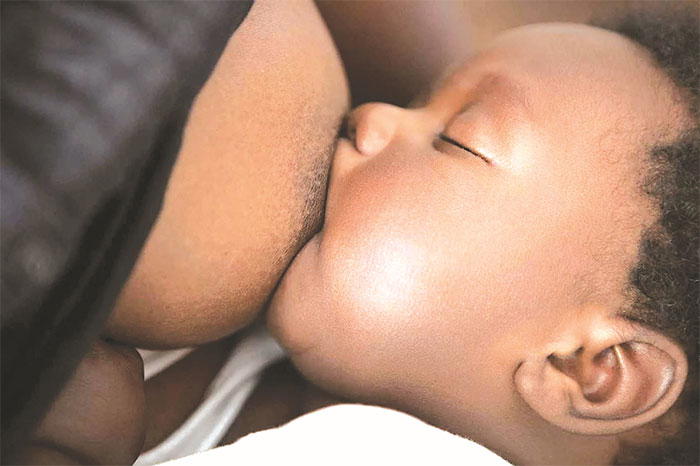
The duo which also disclosed that 70 percent of Nigerian infants are denied the aforementioned benefits of breast milk in their formative years maintained that breastfeeding as the best start in life has become more critical than ever.
In a joint press statement to mark this year’s World Breastfeeding Week with the theme: “Step up for breastfeeding: Educate and Support, they further disclosed that in Nigeria, the Exclusive Breastfeeding rate is 29 percent and only 9 percent of organisations have a workplace breastfeeding policy, indicating that mothers lack the enabling environment to optimally breastfeed their babies.
“The results are high stunting rates of 37 percent of children Under-5, of which 21 percent are severe, and wasting among children under 5 years of age (7%). They continue to present severe consequences for the child.
“During emergencies, including those in Afghanistan, Yemen, Ukraine, the Horn of Africa, and the Sahel, breastfeeding guarantees a safe, nutritious, and accessible food source for babies and young children. It offers a powerful line of defense against disease and all forms of child malnutrition, including wasting.
“Breastfeeding also acts as a baby’s first vaccine, protecting them from common childhood illnesses. Yet the emotional distress, physical exhaustion, lack of space and privacy, and poor sanitation experienced by mothers in emergency settings mean that many babies are missing out on the benefits of breastfeeding to help them survive.
“Fewer than half of all newborn babies are breastfed in the first hour of life, leaving them more vulnerable to disease and death. And only 44 per cent of infants are exclusively breastfed in the first six months of life, short of the World Health Assembly target of 50 per cent by 2025.
“Protecting, promoting, and supporting breastfeeding is more important than ever, not just for protecting our planet as the ultimate natural, sustainable, first food system, but also for the survival, growth, and development of millions of infants.”
Continuing, the statement explained that UNICEF and WHO are calling on governments, donors, civil society, and the private sector to step up efforts to prioritise investing in breastfeeding support policies and programmes, especially in fragile and food insecure contexts.
They also stressed the need to equip health and nutrition workers in facilities and communities with the skills they need to provide quality counselling and practical support to mothers to successfully breastfeed.
“Protect caregivers and health care workers from the unethical marketing influence of the formula industry by fully adopting and implementing the International Code of Marketing of Breast Milk Substitutes, including in humanitarian settings. Implement family-friendly policies that provide mothers with the time, space, and support they need to breastfeed,” they stated.
Disclaimer
Comments expressed here do not reflect the opinions of Vanguard newspapers or any employee thereof.