By Ike Uchechukwu, CALABAR
Environmental experts have called for the promotion of Circular Economy to ensure a sustainable waste management and reduce environmental risks and ecological scarcities.
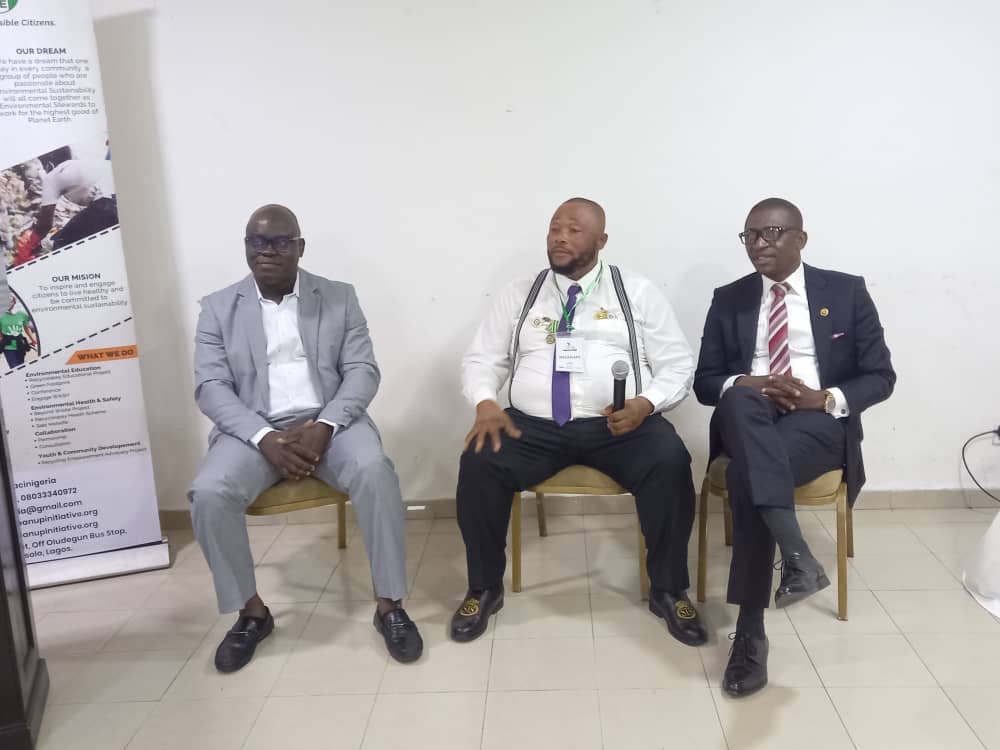
The stakeholders made the call in Calabar on Friday at the sixth edition of the Africa Cleanup Conference with the theme: “The People, The Planet, The Green and Circular Economy” organised by a Non-Profitable Organisation (NGO), African Cleanup Initiative (ACI).
The speakers at the conference were in tandem that human activities in connection with the environment now posed a great danger to the existence of the former.
They maintained that proper waste management can be of benefit to the people as well the government of Nigeria, the speakers called for a paradigm shift in waste management in the country.
Dr Gbolahan Yusuf, and environmentalist and currently a Councilor of Waste Management Society of Nigeria (WAMASON), Lagos Council, noted that increasing human population posed threat to the Green in the planet.
He said: “This is directly proportional to the quantity of waste generated all over the world from human activities.
“The manner in which wastes generated from human activities are handled and managed also affects the Green in the planet.
“The idea of Circular Economy is to ensure that the conventional extraction-production-disposal approach by the people which depletes the Green on the planet is modified to reduce the quantity of wastes from anthropogenic activities.
“Primary disposal is a critical challenge of waste management, collection approach is another critical stage in waste management.
“Circular Economy does not see waste in waste, rather it does see resource in what is being called waste.”
Yusuf, however, called for the use of environment-friendly products, design more efficient product, planning recycling of products at the end of life.
On his part, Prof Okeke Udubuisi, who spoke on “Green House Effect and Global Warming” said increased in the production of carbon footprints, decimation of mangroves trees, industrial emissions have also contributed to climate change.
READ ALSO:
He said the impact of this is that it had endangered human settlement due to the rise in sea level and storm surges.
“We also have depletion of coastal resources, including the death and migration of fishes to cooler waters, possible extinction of some plant species and displacement of individuals from their homes,” he stated.
In the same vein, Mr Emmanuel Owan who spoke on the topic: “Forest Conservation and Climate Change: Connecting Nexus” said ignoring climate change would lead to collateral damage to economic growth.
He explained that there was sufficient evidence that climate change present serious developmental challenges and demands urgent global response.
According to him, “aside damage to economic growth, it will also create risks of major disruption to economic and social activity in the coming decades at scales that could prove difficult or impossible to reverse.”
He called for the practice of planning and maintaining forested area for sustainability and the benefit of present and future generations.
Earlier in his address, Dr Alexander Akhigbe, founder of the NGO, said that the conference was designed to engage and learn ways in which we can promote sustainability as individuals, organisations and as a nation.
Disclaimer
Comments expressed here do not reflect the opinions of Vanguard newspapers or any employee thereof.