By Abbas Badmus
E-commerce is the use of the internet for marketing, identification, payment and delivery of goods and services. It has revolutionised business transactions, providing customers the ability to bank, invest, purchase, distribute, communicate, explore and research from anywhere, at anytime.
A few examples of marketplace platforms are Amazon, eBay, Alibaba, Shopify, Jumia, Konga, JiJi, Expertnaire. E-commerce plays a significant role in day-to-day life, as more people now make purchases online rather than traditional retail stores.
E-commerce has become a renowned branch of business and one to consider during career planning. It has proven vital to business owners and companies offering different products or services, providing needed visibility and reach of more customers.
Benefits are round-the-clock availability, speed of access, wide options of goods and services, easy accessibility and international reach, creation of more jobs, lower operational costs, more convenient shopping, price comparison, among others.
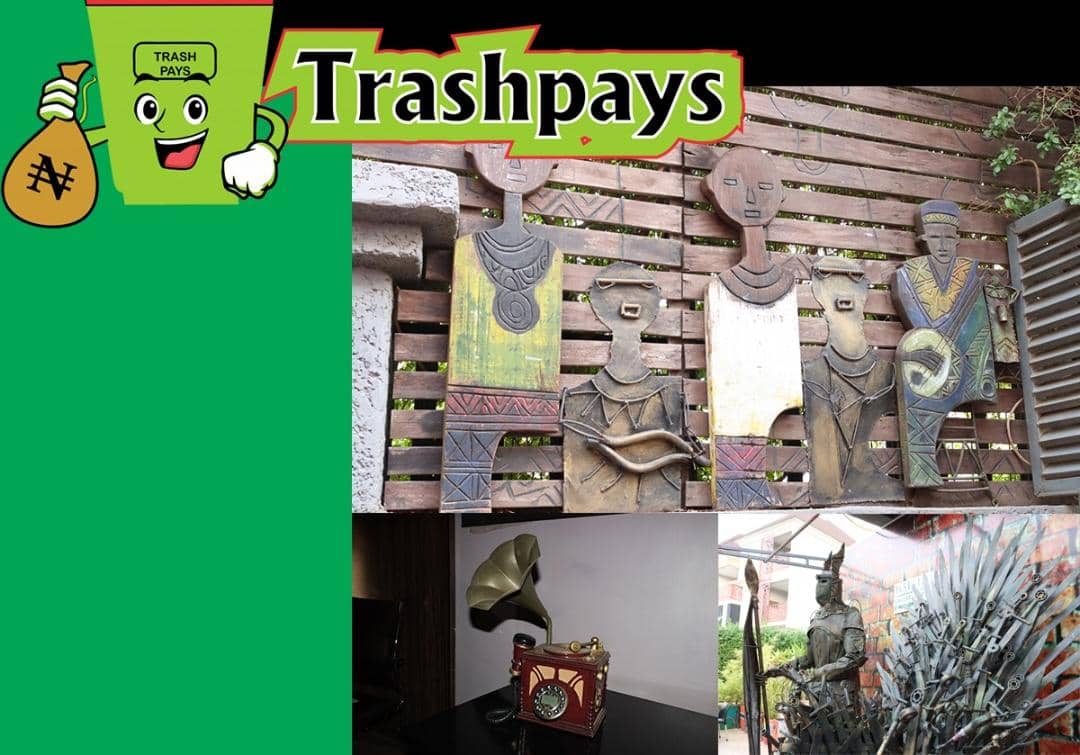
A tech company, Trashpays says its operations have been programmed to ensure the profitable empowerment of Nigerian youths through active participation in its innovative waste management initiative.
The co-founder, Oyetunji Adewale Bashir told TechDigest that the company is creating awareness for greener environment, improving sanitation and hygiene through its mobile application with navigation features.
He explained that the startup was established to solve waste management problems and provide an avenue for buying and selling of items produced from waste. The company has a number of young citizens working as household trash collectors.
“We provided a template for upcycling and innovation of crafted items from waste and reusable items on our platform. Trashpays also enable youth empowerment through agent engagement where yours involve themselves in advocacy and trading.
“We provide them with tricycle for collection of trash items from households. In return they exchange these items for point system that is later converted to cash through personal registered account of the user on our platform.”
Bashir hinted of the preparedness to engage relevant stakeholders to encourage partnership and patronage from individuals, government institutions and private sector organisations in Nigeria.
“We are trying to involve stakeholders that understand the importance of good physical environment. With the Sustainable Development Goals and Climate Change Advocacy, we can partner with the government, non-governmental organisations and others to develop sustainable cities and communities.
“We are proposing a Recycling City to investors and donors of green environment and environmental adaptation. We need patronage. We are raising awareness on the positive impact that our ideas and innovation can bring to Africa and the world.”
However, the challenges of e-commerce include low internet penetration, network reliability, web accessibility, limited customer service, consumers’ inability to see/touch products prior to purchase, delivery waiting period, lack of trust in retailers and confidentiality.
The government and private organizations should invest in training, adequate publicity and other enlightenment programs that are vital to change the negative attitudes of consumers to e-commerce transactions with emphasis on e-shopping, e-banking and e-business.
Public and private sector stakeholders should systemically expand high speed information network and recruit skilled IT personel to further promote the growth of e-commerce in the country.
While the National Information Technology Development Agency (NITDA) is investing heavily in developing capacities in the sector, it is important that the authorities provide an enabling environment and funds that would help startups grow their products and businesses.
Abbas Badmus writes from FHA Lugbe, Abuja.
Disclaimer
Comments expressed here do not reflect the opinions of Vanguard newspapers or any employee thereof.