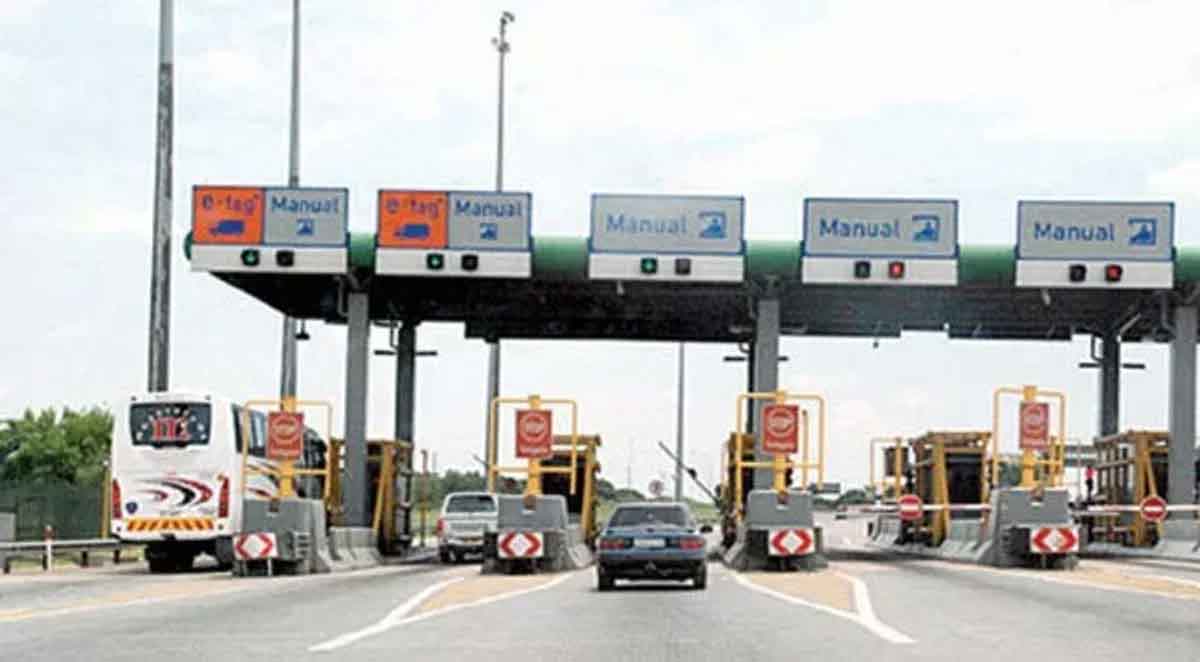
Seme Border
By Godfrey Bivbere
THE Federal Government’s closure of the nation’s land borders has resulted in the return of cargoes designated to ports in neighbouring countries back to ports in Lagos.
READ ALSO:Reps urge FG to review immigration procedure to checkmate influx of illegal immigrants(Opens in a new browser tab)
Vanguard Maritime Report gathered that there are two categories of consignments that have found their way back to the nation’s ports; vessels headed for these other ports and those already arrived at the waters or have already berthed at these ports.
President of the Shippers Association of Lagos State, SALS, Jonathan Nicol, said the closure of borders by the government has led to increase in volume of vessels and cargo traffic in Lagos.
Nicol noted that the increase means that the capacity of facilities at the ports in Lagos will be stretched.
According to him: “The sudden closure of the borders and the resultant effect is these ships berthed at the neighbouring ports can no longer find market for their cargo which means most of the vessels going to Cotonu were Nigerian cargoes.
“So Nigerian cargoes now return to our ports. Now we were not ready for the increase in volume of cargo; so it caught everybody unawares. We have no infrastructure, we have no space at our ports; so it is a huge problem confronting the people administering the port; it is something that can even ask them to resign.
“The people administering the ports, it seems they cannot manage the sudden prosperity, that is what I call it but they do not have the know-how, the managerial skill to control it, to manage it, especially with the challenge from truckers retuning empty containers.”
Speaking on the issue, Chairman of the Port Consultative Forum, PCF, Kunle Folarin, who is in agreement with Nicol, welcomed the development but expressed concern about the preparedness of the Nigerian Ports Authority, NPA, and terminal operators to maximize the benefits.
In his words, “The industry is big and the industry should be able to move to contain the fallout of the border closure. If the border closure continues, as we have been told that it will continue till January 31, or even beyond, it means that cargo volume must increase.
“If cargo volume increases in Nigeria or the Lagos ports, it means that the terminal operators have a serious issue to contend with. They should get more equipment, they should get more labour and be able to provide space to accommodate the additional cargo that will be coming.
“Most importantly, they should utilise the bonded warehouses all over for the spill-over of cargo; they should not congest the port. The cargo will land and it will be moved straight to the bonded terminals, from there it will be cleared for cargo owners to receive their boxes.
“These are some of the things they should be looking at. We should also develop the intermodal transport systems; we should look at building hinterland connectivity. For example, if you look at railway, it should play a more prominent role in cargo movement as at now. If cargo is moved straight from the port on rail wagons or rail tracks to Kaduna, Kano where the Inland Container Depots, ICD are, it will mean that cargoes are delivered seamlesslly to consignees and the issue of congestion will be minimised,” he noted.
Disclaimer
Comments expressed here do not reflect the opinions of Vanguard newspapers or any employee thereof.