
What you should know about Lupus
By Sherifat Lawal – Lagos
Lupus, also called SLE, systemic lupus erythematosus is an inflammatory disease caused when the immune system attacks its own tissues.
What you should know about Lupus
Lupus is a chronic autoimmune disease that causes inflammation throughout your body. An autoimmune disease is a condition in which your body’s own immune system is responsible for the inflammation and breakdown of its own cells. The inflammation seen in lupus can affect various organs and tissues in the body.
It is a disease that is potentially life-threatening. It can cause permanent organ damage. The inflammation seen in lupus can affect various organs and tissues in the body such as joints, skin, heart, blood, lungs, brain and the kidney. Currently, there’s no known cure for lupus.
There are five types of Lupus. Systemic erythematosus: affects joints and organs, Discoid: affects the skin, Sub-acute cutaneous erythematosus: characterized by a specific, non-scarring skin lesion, drug-induced: develops after a drug reaction, Neonatal: affects newborns.
The cause of the disease is unknown to doctors, they however think it may be a combination of many underlying factors. They identify potential triggers in factors such as environment, genetics, hormones, infection and medication.
ALSO READ: Athletics: Ugwuanyi approves 2nd edition of coal city marathon
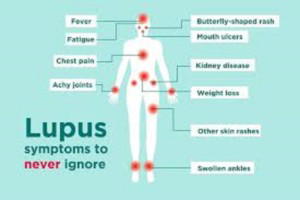
Symptoms vary as it manifests according to the organ that is been affected. Symptom may either disappear or be there permanently. it is important to note that no two cases are the same, however, there are some general symptoms which include: fever, body aches, joint pain, rashes, including a butterfly rash on the face, skin lesions, shortness of breath, chronic dry eyes, chest pain, headaches, confusion and memory loss. Later symptoms include kidney failure, high blood pressure, dark urine and blood in the urine.
Currently, there is no cure. According to the Lupus Foundation of America, an estimated 80 to 90 per cent of people living with the disease can live a normal life span with treatment and follow-up. However, research regularly explores promising innovations in treatment. These include some animal studies that show early promise that lupus is curable.
The disease affects roughly 10 times as many women as men. Most often, lupus develops in people 18 to 45 years old. Though lupus is most prevalent among women, it also may affect men and children, as well as people of all ages.
Disclaimer
Comments expressed here do not reflect the opinions of Vanguard newspapers or any employee thereof.