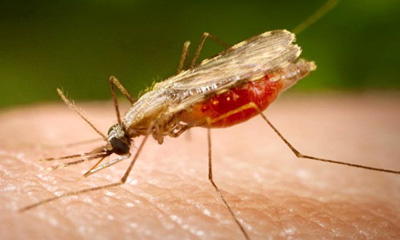
Mosquito
An estimated 445,000 people (mostly pregnant women and children aged below five) die every year from malaria. Africa accounts for over 90 per cent of global malaria cases and deaths, and records economic losses to the tune of $12 billion per year in direct losses, including 1.3 per cent loss in annual GDP.
According to the Roll Back Malaria Partnership, RBMP, Nigeria is the highest malaria-burden country, accounting for 27 percent of global malaria cases and almost a third of related deaths. Malaria is a risk for 97 per cent of the Nigerian population and contributes to an estimated 11 per cent of maternal mortality.
April is set to be a crucial month in the fight against one of the world’s oldest and deadliest diseases as political and business leaders, scientists and activists unite to beat malaria at various events worldwide.
This year marks the 10th World Malaria Day, on April 25, an internationally recognised day to shine the spotlight on the global efforts to prevent, control and end malaria.
Part of the continued call for leaders to “unite and fight” malaria, ahead of the Commonwealth Heads of Government Meeting, CHOGM, being hosted in London, is the Malaria Must Die campaign, a global effort backed by a wide coalition of organisations and celebrities.
Nigeria is keying into the global action being taken in view of the World Malaria Day. Among these is the End Malaria World Festival planned for April 24-25 in Port Harcourt, Rivers State.
But the malaria fight is at a crossroads and if the world does not seize the moment now, hard-won gains against the disease may be lost.
The world needs to beat malaria for several reasons. Since 2000, 11 countries have successfully eliminated malaria. Malaria-related deaths have been cut by more than half, saving nearly seven million lives. However, child deaths through malaria are still too high.
After a decade of progress, malaria cases have increased for the first time, and funding for treatments and prevention has become static. In 2016, malaria cases rose for the first time in a decade and there were 216 million cases and 445,000 deaths.
As we come together as a global community to renew political commitment, step up funding, speed up scientific innovations and spur citizen and community action, high malaria-burden countries like Nigeria must step up too. From the highest political level down to local communities, Nigeria must ensure a renewed attention and commitment towards ending malaria for good.
With renewed focus and commitment, this could be the generation to end one of the oldest and deadliest diseases in human history. The world is ready to beat malaria. Nigeria must also be ready.
Disclaimer
Comments expressed here do not reflect the opinions of Vanguard newspapers or any employee thereof.