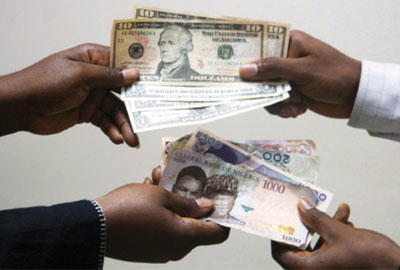
Indeed, Naira devaluation is probably the most potent weapon against the prosperity of Nigerians. Nigeria’s migration from a potential industrial power house with bustling social affluence, to a subdued and stumbling economy clearly began with the adoption of IMF’s Structural Adjustment Programme during Babangida’s regime: the chorus from International Agencies, at that time, was also that falling oil prices with an unserviced debt burden and the consequent restriction of trade credit to Nigeria, were the products of an allegedly overvalued Naira exchange rate.
Africa Finance Corporation has announced the close of a $300 million dual tranche, two-year and three-year club facility.
The facility, according to a statement by the AFC, was arranged by six initial mandated lead arrangers (IMLA) and Bookrunners: Bank of Tokyo-Mitsubishi UFJ, Limited; Citibank N.A; Deutsche Bank AG; FirstRand Bank Limited; Standard Bank of South Africa Limited; Standard Chartered Bank.
The AFC disclosed that each of the IMLAs and Bookrunners committed funding of US$50 million to the facility, adding that it intends to utilise proceeds of the facility for general corporate purposes including the facilitation of trade.
Subsequent to the initial funding, the AFC stated that the secondary market syndication of the facility was arranged.
“The secondary market syndication witnessed a strong demand for the credit, with new commitments of US$336.5 million obtained from 16 lenders across various geographies such as Asia, Europe and the Middle East, including:- Industrial and Commercial Bank of China Limited, Commercial Bank of Kuwait K.P.S.C.
“Others are: the Korea Development Bank, KDB Bank Europe Limited, Burgan Bank S.A.K, Tunis International Bank, First Gulf Bank PJSC, Bank of China Limited, State Bank Of India, Banque des Mascareignes Ltée, Commercial Bank of Qatar Q.S.C, The Export-Import Bank of the Republic of China, Korea Exchange Bank, Al Ahli Bank of Kuwait K.S.C.P, First Commercial Bank Limited, Mega International Commercial Bank Co, United Taiwan Bank S.A,” the AFC noted.
The AFC further explained that the facility was more than two times over-subscribed during the primary and secondary market process, with AFC receiving total commitment of US$636.5 million from a total of 22 lenders.
Banji Fehintola, Senior Vice President & Treasurer, Africa Finance Corporation commented, “AFC’s long term vision is to help address Africa’s infrastructure deficit and ensure sustainable economic growth for the continent. We are encouraged by the confidence that our lenders have placed in us.
“We believe that the well documented need for bridging the infrastructure investment divide across Africa will provide the opportunity to apply AFCs differentiated model of providing long-term infrastructure financing and value added infrastructure asset project development expertise, to generate real value for our investors and stakeholders”.
AFC, a multilateral finance institution, was established in 2007 with a capital base of US$1 billion, to be the catalyst for private sector infrastructure investment across Africa.
AFC’s investment approach combines specialist industry expertise with a focus on financial and technical advisory, project structuring, project development and risk capital to address Africa’s infrastructure development needs and drive sustainable economic growth.
AFC invests in high quality infrastructure assets that provide essential services in the core infrastructure sectors of power, natural resources, heavy industry, transport, and telecommunications. AFC has become the benchmark institution for private sector investment in Africa.
Disclaimer
Comments expressed here do not reflect the opinions of Vanguard newspapers or any employee thereof.