BY NAOMI UZOR
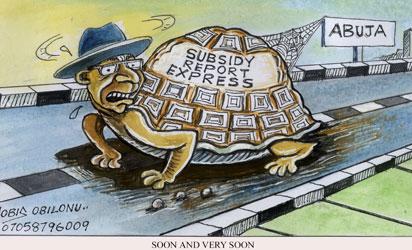
LAGOS—THE Lagos Chamber of Commerce and Industry, LCCI, yesterday, said given the magnitude of resources committed to funding fuel subsidy, it was clear the subsidy regime was not sustainable.
At its first quarterly briefing on the economy, President of LCCI, Alhaji Remi Bello, said though the chamber appreciated the enormity and dimensions of the potential short term impacts of subsidy removal on the economy and the citizens, it was clear that the subsidy regime was unsustainable.
Bello said a review of the subsidy regime would result in increased private investment in the downstream oil sector with a corresponding impact on the creation of quality jobs, reduction in the pressures on foreign reserves, a huge chunk of which currently being used to fund fuel importation, and better fiscal space to ensure macroeconomic stability with a resultant positive effect on the economy.
The LCCI President also noted that current debt profile of the Federal Government was not sustainable, taking into account that current debt servicing was about 20 per cent of total revenue of government.
He noted that the use of global benchmark of debt to Gross Domestic Product, GDP, ratio might not be applicable to the Nigerian economy because agriculture, a major component of the GDP, was not a major revenue generating activity.
“If we discount the agriculture component of the GDP in the ratio analysis, the ratio will be much higher than the set threshold. The rebased GDP should not be an excuse to increase borrowing. That only about N1.1 trillion is earmarked for capital project while N712 billion is earmarked for debt servicing in the 2014 budget raises issues of prioritisation of resource allocation. Payment of contractors arrears is often relegated to the background when the issue of the nation’s debt is being discussed.
Disclaimer
Comments expressed here do not reflect the opinions of Vanguard newspapers or any employee thereof.