Tough times ahead in post 2015 elections
The 2015 election will certainly come and go but the after effect may linger for a long time. Whether it is PDP or APC that eventually wins the presidential election, the party that will come to power post-election had better get prepared for the handling of the economy. As it stands, the nation is on a financial cliff that can fall off any time except a miracle happens. The one commodity that provides life support for the economy has seen its price at the international market fallen to as low as $58 per barrel.
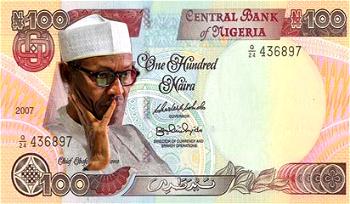

2016 draft budget is a huge joke
When the Managing Director of the International Monetary Fund, IMF, Christine Lagarde came to have a chat with Nigeria’s economic managers and policy makers, she warned that Nigeria should watch the rising debt profile of the country. Christine Lagarde is not against borrowing but borrowing for consumption. She must have been briefed on the 2016 draft budget expenditure and income profile of the country.
Scrap BDCs and save Naira from continued devaluation (2)
Last week in this column I said in there was no need to continue the sale of foreign exchange by the Central Bank of Nigeria to Bureau De Change in the country as it was no longer tenable. Little did I know then that the CBN was going to act fast on it. But before that evening press conference by the CBN Governor, I received several calls, some accusing me of working for some vested interest, while others were threats of possible reprisals. The curious thing is that some of the calls were from politicians who have been beneficiaries of the scam. The truth is that these are self serving individuals whose only interest is their pockets and stomachs.
Scrap BDC, save the Naira from continued devaluation
The pressure on the Naira at the foreign exchange market might continue to mount and see further depreciation in value of the Naira if the activities of currency speculators are not curbed. At the centre of this speculative activities are the Bureau de Change. Right from the deregulation of the foreign exchange market, the operation of third party non bank outlet for foreign exchange transaction has been the bane of the Naira. Those who own and operate these outlets do so for personal gains. in the guise of helping to reach the unreached members of the public by banks. They buy foreign exchange at cheap rate from CBN and divert them to the parallel market and sell at exorbitant rate to end users.
Responses to “International conspiracy to ruin Nigerian economy”
This is finding excuses for their wrong economical policies, The truth is that Nigerian government lack the understanding of economics. This is why they misuse the country’s resources. l understand the truth and real details each time the Nigerian government goes to borrow money from the IMF and world bank, there will be a revolution the next morning.
Who is afraid of Emefiele as Governor of CBN?
Many Nigerians do not seem to understand the role of the CBN in an economy. Some believe that the CBN is an authority in itself and does not take instruction from government. Yes, it is true that the CBN enjoys some autonomy; that is as far as its management is concerned. The CBN is the banker to the Federal Government and its economic and financial adviser. It is in the final analysis responsible to the president.