Why Lagos–Calabar Coastal Highway (3), by Eric Teniola
This week continues the narrative on Lagos-Calabar Coastal Highway. No doubt that region has contributed a lot to modern-day Nigeria. Their leaders too, some of whom are alive while some are deceased, have served to make this country a great one. I think we owe them a debt of gratitude. I don’t think we can […]



The Judiciary in distress
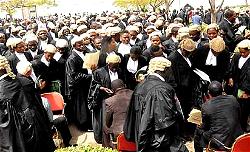
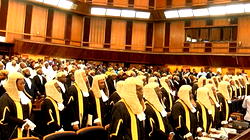
THE two day meeting of the National Judicial Council will begin on Tuesday 15th January. It is a scheduled meeting which will be presided over by the Chief Justice of the Federation, Justice Walter S. Nkanu Onnoghen, who happens to be Chairman of the Council.

The last minimum wage (2)
ON the conviction of an employer under this section for failing to pay to a worker wages not less than the national minimum wage, the court may make an order that the employer convicted shall pay, in addition to any fine, such sum as appears to the court to be due to the worker on account of wages, the wages being calculated on the basis of the national minimum wage : provided that the power to order payment on account of wages under this subsection shall not be in derogation of the right of the worker to recover wages due to him by any other proceedings in a court of competent jurisdiction, 4.-(1).
The last minimum wage (1)
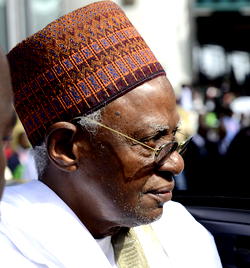
THE last minimum wage bill in Nigeria was signed on September 3, 1981, by Late President Shehu Usman Aliyu Shagari (1925- 2018). It was N125.00 per month, which is the equivalent of N45,000.00 now.
FIIRS- Collector of taxes by force in an era of poverty(2)
ON July 10 this year, Joanna Slater published an article in the Washington Post. In the article, she claimed that “It is a distinction that no country wants: the place with the most people living in extreme poverty.
FIIRS – Collector of taxes by force in an era of poverty(1)
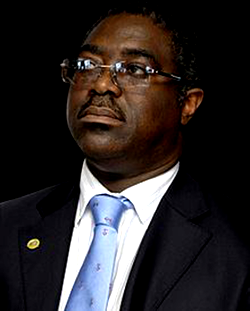
THE Chairman of Federal Inland Revenue Service, FIRS, Dr. Babatunde Fowler (62) is a man who takes his job seriously.