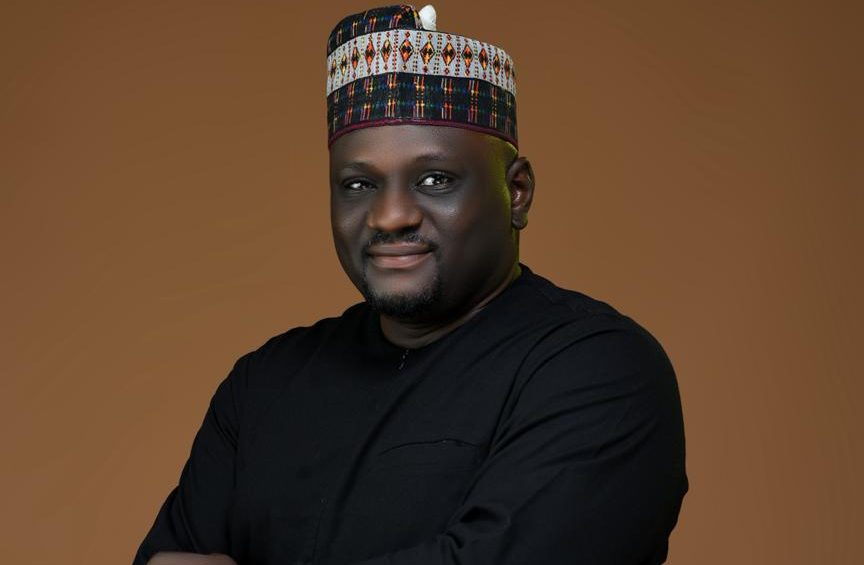
By Atumye Amos Alao
When floodwaters recede, the visible destruction is only part of the story. The greater danger lies in what the water leaves behind and what we continue to ignore.
When floods hit Nigeria, we count what we can see.
Homes underwater. Roads washed away. Businesses shut. Families displaced. Billions lost in livelihoods and infrastructure.
Those losses are real. But they are only part of the story.
The most dangerous thing about floodwater is not what we see. It is what we do not.
Floodwater is not just rainwater. By the time it reaches our streets and homes, it has become something else entirely. It carries sewage from overflowing septic tanks, oil and grease from mechanic workshops, chemicals from factories, paint, pesticides, refuse, dead animals, heavy metals and countless pathogens.
Floodwater does not create pollution. It simply collects everything we have carelessly left in the landscape and returns it to us.
Then that water enters our homes. It settles in schools, markets and neighbourhoods. It seeps into wells. It contaminates playgrounds and leaves behind invisible hazards long after the flood itself has disappeared.
This is where the next crisis begins.
As landscape architects and planners, we often say that floods reveal what cities have ignored for decades. They expose weaknesses in how we plan, where we build, what we protect and what we choose to sacrifice.
Floods are often described as natural disasters. Increasingly, they are planning disasters. Rain may be natural. The scale of destruction is largely the result of human decisions.
Imagine a family returning home after the water has gone. They mop the floors. They wash the walls. The children go back to playing outside. The well looks clear again. But clear water is not necessarily safe water. Many assume the danger has passed. It has not.
After the devastating 2022 floods, the worst Nigeria had experienced in over a decade, the country recorded more than 23,000 suspected cholera cases in affected areas alongside hundreds of deaths. It was a painful reminder that disease often follows long after floodwaters disappear.
Cholera. Typhoid. Dysentery. Hepatitis. Leptospirosis.
These diseases thrive where contaminated water meets vulnerable communities. The flood may last for days. The health consequences can linger for months.
Yet our response rarely changes. We distribute relief materials. We repair damaged roads. We dredge drains. We move on, until the next rainy season reminds us that nothing fundamental has changed.
We cannot keep responding to floods as though they are isolated disasters. They are symptoms of deeper failures in how we plan, build and manage our environment.
When this rainy season ends, our focus should not be limited to rebuilding what was damaged. We should also be restoring what protects us.
Engineering will always be part of the answer. Better drainage. Stronger bridges. Retention ponds. Culverts. These projects can be designed, funded and delivered within predictable timelines.
Nature does not work that way. A tree cannot be rushed. A wetland cannot be rebuilt in a few months. Healthy soils take years to regain their capacity to absorb water. Ecological systems follow biological time, not construction schedules. Their greatest strength is also their greatest challenge. They demand patience, consistency and long term thinking.
The best time to invest in nature was yesterday. The second best time is today.
From a planning and landscape architecture perspective, flood resilience begins long before the first drop of rain. It means protecting floodplains instead of building over them. Restoring wetlands instead of reclaiming them. Expanding urban tree cover. Designing parks that temporarily store stormwater. Integrating bioswales, rain gardens and permeable surfaces into everyday infrastructure, not treating them as decorative extras.
Lagos offers a powerful lesson. Historically, wetlands and water bodies covered more than 40 percent of the city’s land area. As many of these landscapes have been reclaimed or built over, the city has steadily lost much of its natural capacity to absorb and slow floodwater. Every hectare of wetland lost is another layer of protection removed.
A healthy landscape is not a luxury. It is infrastructure.
Nature based solutions also make economic sense. While they require time to mature, they often prove more cost effective over their lifetime than repeatedly repairing damaged infrastructure. They also deliver benefits that concrete alone cannot: cleaner water, cooler cities, richer biodiversity, improved public health, carbon storage, climate resilience and new green jobs.
The work should not stop when the water goes down. Flooded communities need environmental assessments. Wells should be tested before people drink from them. Polluted soils should be identified and, where necessary, remediated. Septic systems need inspection. Industrial sites should be assessed for contamination before businesses resume normal operations.
These are public health priorities, not optional environmental exercises.
Climate change is making extreme rainfall more frequent and more intense. Every flood is a report card on decades of planning, development and environmental neglect.
The question is no longer whether another flood will come.
It will.
The real question is whether we will spend another year repairing damage, or finally begin repairing the systems that make the damage inevitable.
Nigeria already has important policy frameworks, from climate adaptation strategies to disaster risk reduction plans. What has been missing is consistent implementation. We must enforce the protection of floodplains and wetlands, integrate nature based solutions into urban planning as standard practice, and involve landscape architects, planners, engineers, public health experts and environmental professionals from the earliest stages of development.
Our cities need hybrid solutions where engineering works with nature, not against it. Concrete alone will not build resilience. Living systems must become part of our infrastructure.
Because when the water recedes, the headlines fade. The danger does not.
Dr. Atumye Amos Alao is President of the Society of Landscape Architects of Nigeria (SLAN) and Secretary General of the International Federation of Landscape Architects (IFLA) Africa.
Disclaimer
Comments expressed here do not reflect the opinions of Vanguard newspapers or any employee thereof.