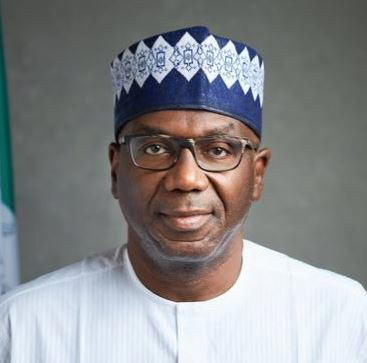
Governor Kwara State, AbdulRahman AbdulRazaq
•Shea Butter factory for full operation
By Demola Akinyemi Ilorin
When Governor AbdulRahman AbdulRazaq assumed office in 2019, he believed that agriculture had the potential to transform the economy of the state and create jobs as well as ensure food security. He therefore embarked upon reviving the sector by driving mechanization, subsidizing farm inputs, and facilitating massive livestock and agro-processing investments. A lot of progress has therefore been made in agriculture which is impacting positively in the lives of the people of the state.
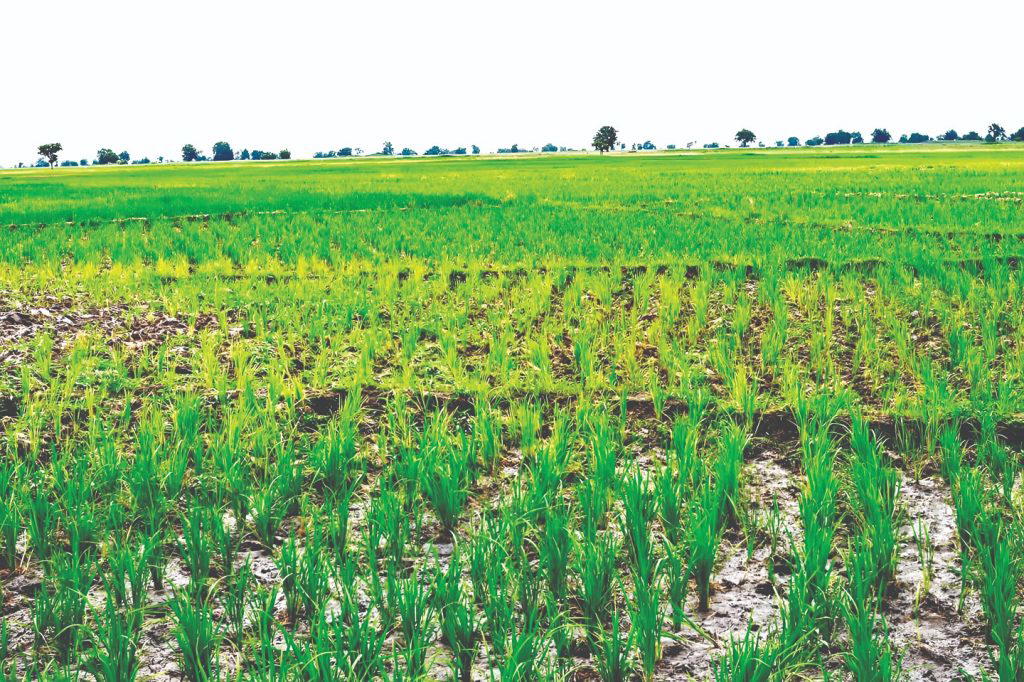
Rice Farming
Before the governor came on board, a lot of rice farmers were not practising irrigation farming during the dry season resulting in shortage of rice in the state during the period. But the governor came and introduced the rice farmers to irrigation.
Today, Kwara state is one of the top states in rice farming in Nigeria. With the all-year-round irrigation system that the government has created, rice farmers now farm all year round. The result of this is the abundance of rice in the state to the extent that some rice millers in Kwara are exporting to neighbouring Africa countries.
Commissioner for Livestock Development and Supervising Commissioner for Agriculture and Rural Development in Kwara State Mrs Oloruntoyosi Thomas, in an interview said, “people are making huge fortunes from rice milling business in Kwara State, so we can’t ignore the impact of the governor in the rice value chain”.
Support for Soya Beans Farmers
The government also facilitated the partnership of the private sector to support soya bean farmers with inputs and training, according to the commissioner. She listed three companies in this regard, including OLAM, that have partnered with soya bean farmers, noting that OLAM now has a soya crushing plant in the state. OLAM, she said, chose Kwara to establish its crushing machine plants because of the massive support from the state government and particularly because there are more Soya bean farmers in Kwara now which increased during the current administration because of the incentives provided for them.
“Now, our soya bean farmers are doing more hectares than they were doing before and they also have access to raw material from the government more than ever before”, she stressed.
Cluster farming
The Commissioner recalled how the current administration succeeded in encouraging a lot of people to go into backyard farming especially for the unemployed and people who couldn’t go to farm like before. She also explained how cluster farming adopted by the government helped in tackling security challenges. “Cluster farming and backyard farming really helped. Government can’t reach out to the farmers individually but when they’re in clusters, it’s easier for the government to reach out to them and support them”, she said.
Shea Butter Factory
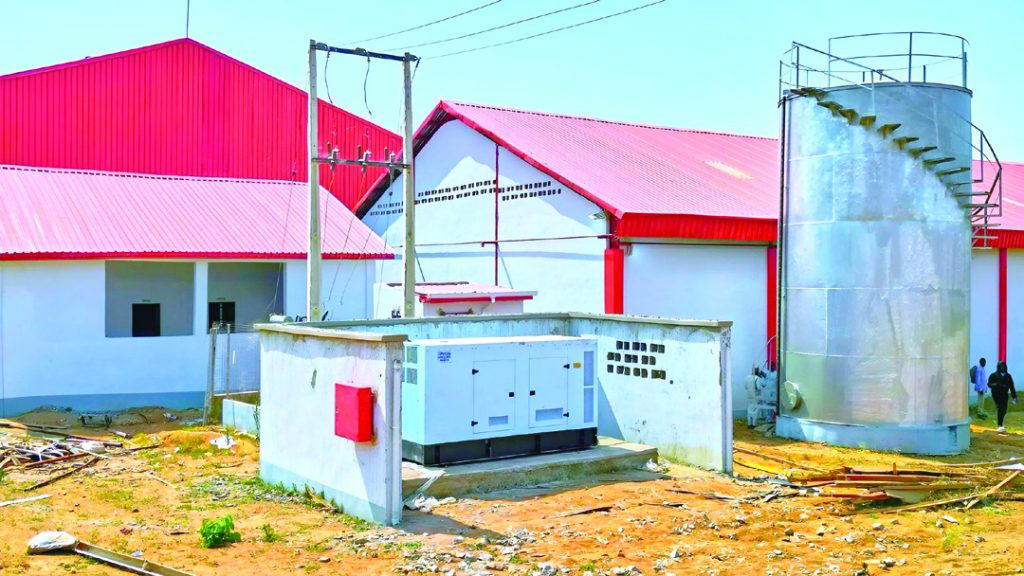
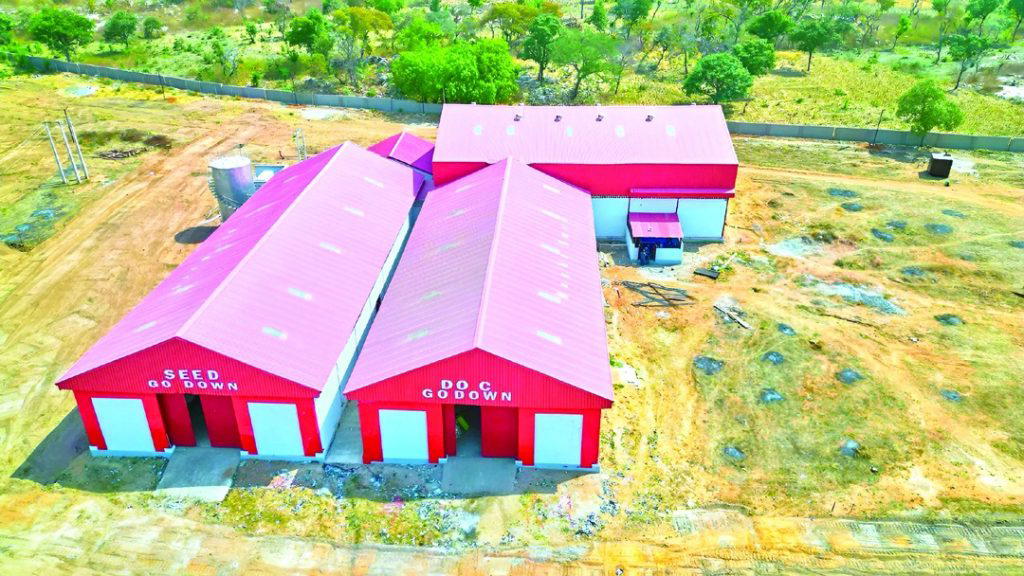
The administration of Mallam AbdulRahman AbdulRazaq has also established a Shea Butter factory in Kaiama, in the northern part of the state.
With the installation of production equipment completed and final preparations underway for full operation, the factory has the capacity to produce 50 tons of Shea Butter every day. The Shea Butter factory in Kaiama is a strategic industrial project of the Kwara state government aimed at unlocking the economic potential of the state’s abundant shea resources while creating sustainable jobs and wealth for local communities.
Commissioner for Business, Innovation and Technology, Hon. Damilola Yusuf Adelodun, told Saturday Vanguard that the project “aligns with the vision of Governor AbdulRahman AbdulRazaq to promote industrialization, support agro-processing, empower women and youth, and increase the value derived from Kwara’s agricultural products.”
She said that, “upon completion, the factory will serve as a major processing hub for Shea nuts, enabling the production of high-quality Shea butter for both local consumption and export markets. The project is expected to strengthen the Shea value chain, improve the livelihoods of Shea nut collectors and processors, attract investment and contribute significantly to the state’s economic diversification agenda.
“The Kwara state government remains committed to ensuring that the factory becomes a catalyst for economic growth, job creation, and increased participation of Kwara state in the global Shea butter market,”the commissioner added.
The impact of Governor AbdulRazaq’s intervention in the agricultural sector is also felt in other areas:
•Mechanization Drive: Tractors were procured and farm implements distributed to all the 16 Local Government Areas (LGAs) of the state, thereby overcoming a major deficit since there were no functional tractors when the administration came into office.
•Input Subsidies: Subsidized vital farming inputs which include fertilizers, improved seeds, herbicides, and knapsack sprayers were distributed to over 10,000 crop, fish, and livestock farmers.
•Rural Connectivity (RAAMP): The state government partnered with the World Bank and the French Development Agency on the Rural Access and Agricultural Marketing Project (RAAMP), committing billions in counterpart funds to construct and rehabilitate hundreds of kilometers of rural roads which connect agrarian communities with urban markets.
•Livestock Transformation (L-PRES): Governor AbdulRazaq also flagged off the World Bank-supported Livestock Productivity and Resilience Support Project worth $500m and the National Programme for Food Security (NPFS) to boost beef and dairy production, prevent farmer-herder clashes, and enhance food systems.
•Special Agro-Processing Zone (SAPZ): One of the few African Development Bank (AfDB)-funded agro-processing zones in Nigeria worth millions of dollars was secured to drive industrialization and job creation across the agricultural value chain.
•Fisheries & Value Chain Revival: The state’s fish hatchery was renovated to steady the supply of fingerlings while initiatives such as the “Thursday Fish Market” were launched to boost the local aquaculture industry.
Youth Empowerment: The state government also instituted capacity-building programs and partnered with the National Agricultural Land Development Authority (NALDA) to establish integrated farm estates (e.g. in Agbeyangi), and trained hundreds of youths and students in modern agricultural techniques.
Disclaimer
Comments expressed here do not reflect the opinions of Vanguard newspapers or any employee thereof.