By Elizabeth Osayande
The future of maternal care will not be built solely in hospitals. It will be built through communities, innovation, and technologies that bring support closer to mothers wherever they are.” – Eunice Benu, Founder, Milky Mommas
In an exclusive interview, Eunice Benu, Founder of Milky Mommas and Creator of MamaCare, an AI-powered maternal health platform, speaks on closing the gap in postpartum care across Africa.
You began by working closely with breastfeeding mothers. What was that experience like?
A few years ago, I began working closely with mothers who were struggling with breastfeeding.
Some were first-time mothers unsure whether their babies were getting enough milk. Others were battling painful latch issues, low confidence, sleep deprivation, and the emotional demands of early motherhood. Many had received care during pregnancy and childbirth, yet once they returned home, they often felt isolated and unsupported.
What surprised me most was not the number of questions mothers had. It was how predictable those questions were.
The same concerns surfaced repeatedly. Is my baby feeding enough? Why is breastfeeding painful? Why does my baby cry after every feed? How do I know if I am producing enough milk? Should I continue breastfeeding when I am exhausted?
As I listened to these mothers and helped connect them with support and information, I began to realise that the challenge was much bigger than breastfeeding. Breastfeeding was simply the entry point into a wider conversation about maternal healthcare.
What did that wider conversation reveal?
The reality is that many mothers receive the highest concentration of professional support before and during delivery, only to experience a significant reduction in support during one of the most vulnerable periods of their lives—the weeks and months that follow childbirth.
Yet this is precisely when many critical challenges emerge.
A mother may be struggling physically while trying to care for a newborn. She may be dealing with anxiety, emotional stress, feeding difficulties, or questions about her baby’s health. In many cases, she has limited access to timely guidance and must rely on fragmented information from relatives, friends, and social media.
This experience exposed what I believe is one of the most overlooked gaps in maternal healthcare in Nigeria: continuity of support. Healthcare cannot begin and end within hospital walls. Maternal wellbeing is a continuous journey that extends long after discharge.
Where do community support networks fit into this?
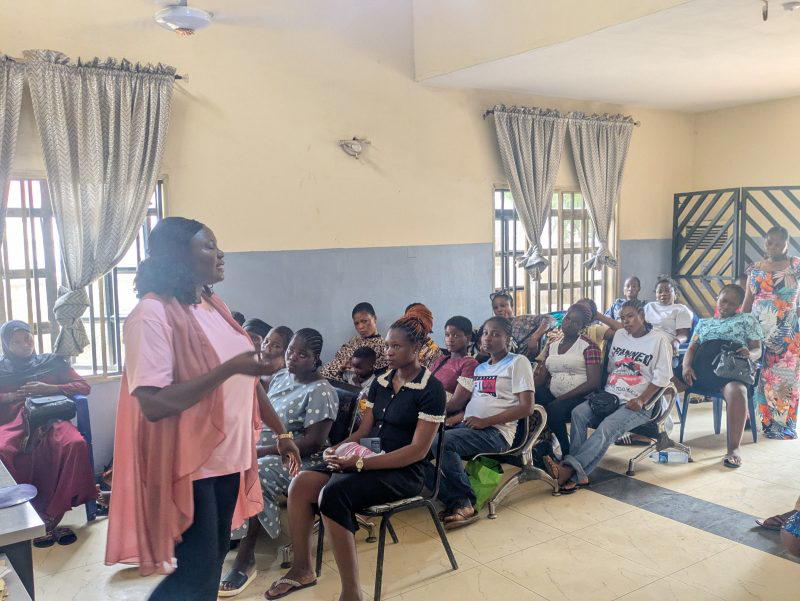
While healthcare professionals play a vital role, it is unrealistic to expect overstretched health systems alone to meet every mother’s ongoing needs. This is why community-based support networks have become increasingly important.
Across Nigeria, support groups, peer communities, and maternal health advocates are helping mothers access information, encouragement, and practical guidance. These networks are often the difference between a mother feeling overwhelmed and a mother feeling empowered.
However, as impactful as community support can be, it also has limitations. Nigeria records millions of births each year. Reaching every mother through traditional support structures alone is a significant challenge. Geography, workforce shortages, economic barriers, and unequal access to healthcare continue to limit the reach of maternal services.
So how does digital health change this picture?
This is where digital health can transform the future of maternal care.
The widespread adoption of mobile technology presents an opportunity to extend support far beyond clinics and hospitals. Through digital platforms, mothers can access evidence-based information, track important health indicators, receive timely reminders, monitor their wellbeing, and connect with professional support when needed.
Artificial intelligence is likely to play an increasingly important role in this evolution. When used responsibly, AI can help provide personalised guidance, identify early warning signs, support decision-making, and improve access to trusted information. For mothers living in underserved communities, these tools could help bridge gaps that have existed for decades.
What’s your view on the role of technology versus human care?
Importantly, technology should not replace human care. Maternal health is deeply personal and requires empathy, trust, and meaningful human connection. Rather, technology should strengthen and scale the support systems that already exist.
Looking ahead, what is the future of maternal care in Nigeria?
The future of maternal healthcare lies at the intersection of community and innovation.
The lessons I learned from supporting mothers through breastfeeding challenges have convinced me that the next generation of maternal healthcare solutions must combine both. We need stronger communities, more accessible support networks, and innovative technologies that ensure no mother is left to navigate her journey alone.
As Nigeria continues to confront maternal and child health challenges, we must look beyond traditional models of care. The question is no longer whether digital health has a role to play. The question is how quickly we can harness its potential to support mothers, improve outcomes, and build a more connected and responsive maternal healthcare system.
The future of maternal care will not be built solely in hospitals. It will be built through communities, innovation, and technologies that bring support closer to mothers wherever they are.
Disclaimer
Comments expressed here do not reflect the opinions of Vanguard newspapers or any employee thereof.