… Says widows need solutions, not sympathy
By Chioma Obinna
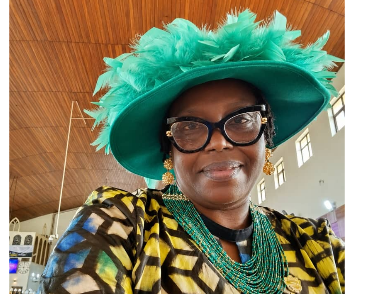
Founder of Serendipity House Widows Foundation, Her Royal Grace, Olori Dame Ayo Yemisi Jaiyeola, on Tuesday raised alarm over what she described as the growing widowhood crisis across Africa, warning that insecurity, poverty and harmful cultural practices are driving what she called a “silent pandemic.”
Speaking at the 2026 World Widows Day event held at the Widows Centre in Lagos, Jaiyeola called for urgent and practical interventions to address the worsening plight of widows across the continent, stressing that widowcare must move beyond yearly sympathy to tangible support.
According to her, widowhood has become one of Africa’s most pressing but least acknowledged humanitarian crises, worsened by rising insecurity, terrorism, kidnappings, wars and communal conflicts that continue to claim breadwinners and leave families devastated.
“Widows cannot eat speeches. Widows cannot pay rent with sympathy. Widows need solutions. Widowcare must have meaning,” she declared.
Jaiyeola said while widowhood is painful globally, African widows bear a heavier burden because of economic hardship, social exclusion, inheritance abuse and weak social protection systems.
She warned that every violent death and preventable killing is creating more widows and vulnerable children, making peace and security central to widowcare.
“Every preventable death creates another widow. Every act of violence creates another orphan. Security is widowcare. Peace is widowcare,” she said.
Marking this year’s World Widows Day, she urged African governments to move from policy conversations to action by establishing national and state widow’s commissions, protecting inheritance rights, strengthening healthcare systems and expanding economic empowerment opportunities for widows.
She also called for better data collection on widows, elimination of harmful traditional practices and stronger educational support for children left behind.
The foundation noted that for over 31 years, it has supported more than 45,000 widows through welfare, empowerment and counselling programmes, while consistently commemorating World Widows Day for the past 17 years.
Jaiyeola disclosed that the organisation is now planning to establish a dedicated widows’ shelter to protect women facing homelessness, abandonment and severe economic hardship.
Appealing for broader support, she called on individuals, corporate organisations, faith groups and philanthropists to join the mission of restoring hope to widows.
“No gift is too small. Every little support can restore hope to a broken life. Together, we can fight hunger, protect widows from homelessness and ensure that no widow is left behind,” she said.
Disclaimer
Comments expressed here do not reflect the opinions of Vanguard newspapers or any employee thereof.