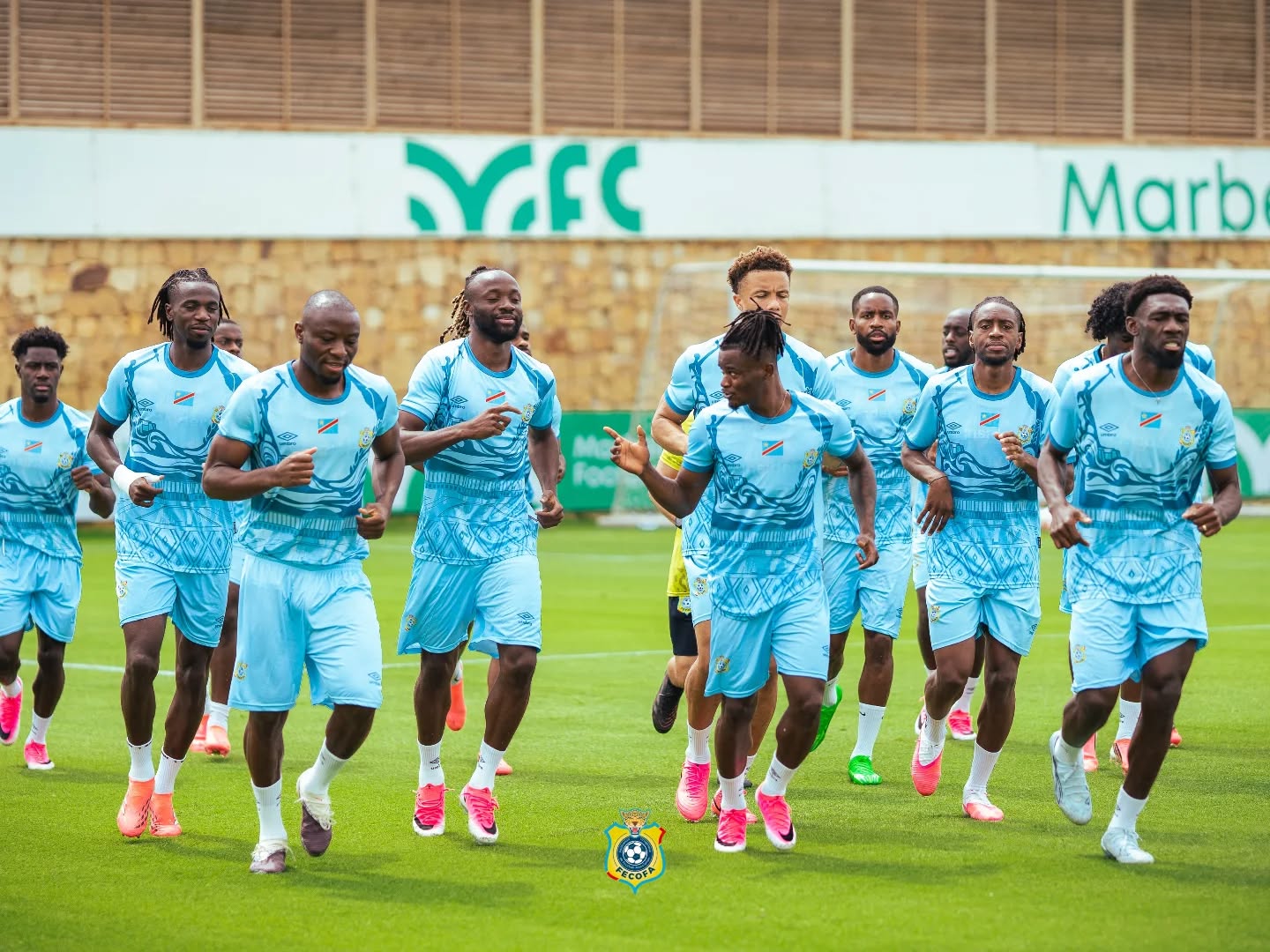
SOURCE: Fecofa RDC_Officiel/X
By Adegboyega Adeleye
For decades, the Democratic Republic of Congo remained one of Africa’s sleeping giants. For a nation massively blessed with raw talent and passionate football culture, it is unfortunate to reference their repeated absence from the world’s biggest stage. Now, after years of disappointment and near misses, DR Congo are finally back at the FIFA World Cup.
The Leopards return to the Mundial for the first time since 1974, ending a wait of more than five decades and reviving memories of the country’s historic appearance as Zaire at the World Cup in West Germany.
That generation became the first sub-Saharan African nation to qualify for the tournament, a milestone that still carries huge historical significance across the continent.
Unlike the fragmented squads of previous eras, this new Congolese side arrives with a different identity and a growing sense of momentum following an impressive rise under coach Sébastien Desabre.
For a nation whose football history has often been marked by unfulfilled potential, qualification for the 2026 FIFA World Cup in North America already feels symbolic. The Leopards, however, plan to take it a notch higher by competing again after a long-awaited comeback.
Key players
Yoane Wissa (30, Brentford)
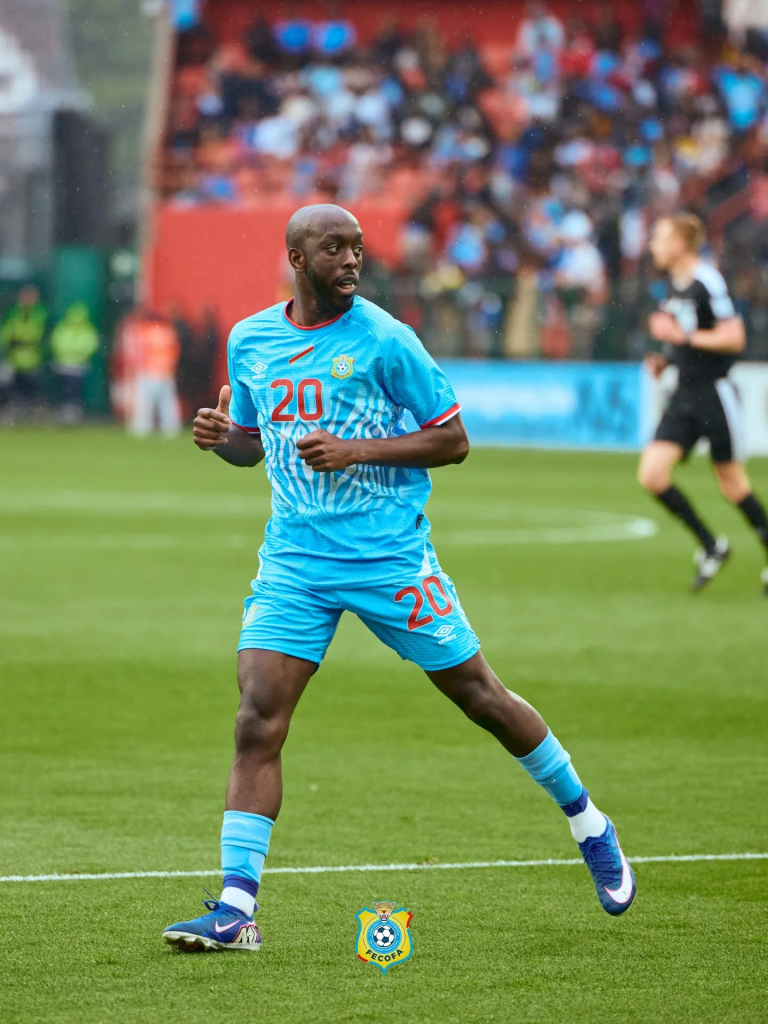
Wissa arrives at the World Cup as one of DR Congo’s most dangerous attacking threats. The Brentford forward combines pace, intelligent movement and clinical finishing, while his versatility across the front line gives the Leopards flexibility in transition attacks.
Chancel Mbemba (32, Marseille)
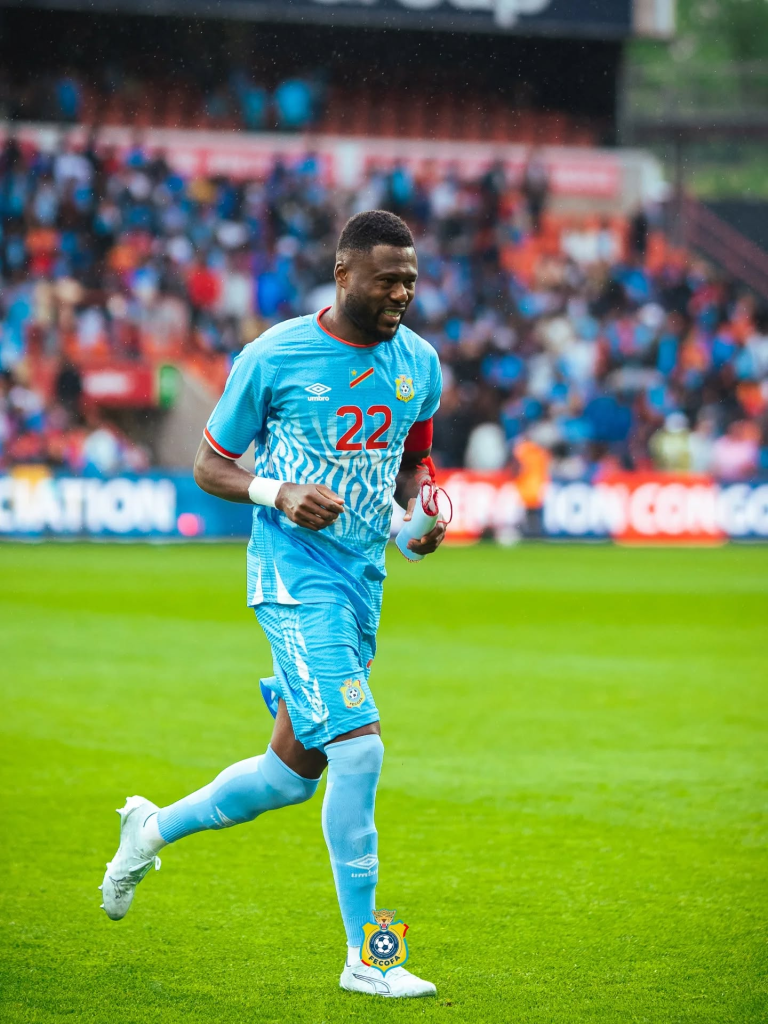
Mbemba is the defensive leader of the DR Congo national team. The experienced centre-back brings composure, leadership and physical presence to the coach Desabre’s defensive setup. His organisational ability and tournament experience could prove decisive in tight matches.
Arthur Masuaku (32, Beşiktaş)
Masuaku offers creativity and attacking width from defensive areas. The 32-year-old left-back is renowned for his delivery and technical quality on the ball. He provides DR Congo with an important outlet during attacking transitions and set-piece situations.
Meschack Elia (29, Young Boys)
Elia adds a great deal of speed and unpredictability to the Congolese attack, particularly with his direct style and ability to exploit spaces behind defensive lines, which makes him particularly dangerous on counterattacks.
What to expect
Under Sébastien Desabre, DR Congo have developed into a disciplined and physically competitive side capable of troubling stronger opponents.
The Leopards typically rely on defensive organisation, aggressive pressing and quick transitions rather than prolonged possession. Their athleticism and attacking speed make them especially dangerous in open games. However, squad depth and inexperience against top nations remain concerns heading into the tournament.
Regardless, DR Congo’s return alone represents one of African football’s most compelling stories at the 2026 FIFA World Cup. With a proud football culture and renewed belief, the Leopards could emerge as one of the tournament’s surprise packages.
Schedule
Group K: Portugal, Colombia, DR Congo, Uzbekistan
17 June: Portugal vs DR Congo – Houston Stadium, Houston
23 June: Colombia vs DR Congo – Akron Stadium, Guadalajara
27 June: DR Congo vs Uzbekistan – Mercedes-Benz Stadium, Atlanta
Disclaimer
Comments expressed here do not reflect the opinions of Vanguard newspapers or any employee thereof.