By Nkiruka Nnorom
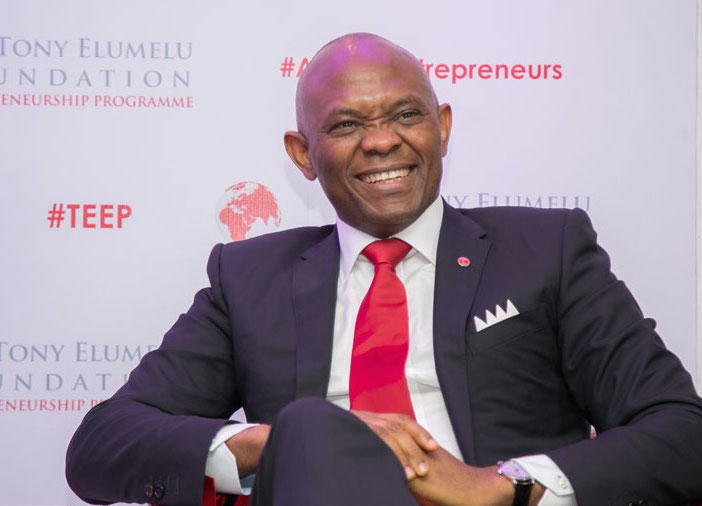
Tony Elumelu Foundation (TEF) said it has disbursed over $100 million in non-refundable grants to 24,000 young entrepreneurs across the African continent since the launch of its flagship entrepreneurship programme in 2015.
The TEF Entrepreneurship Programme is a pan-African initiative offering $5,000 in non-refundable seed capital, mentorship, and business training to entrepreneurs across all 54 African countries.
In 2026, the Foundation will empower a total of 3,200 young men and women across all its entrepreneurship programmes.
Speaking at a virtual press briefing to announce the unveiling of the 2026 cohort, Somachi Chris-Asoluka, CEO, TEF, said that the beneficiaries have gone on to make incredible impact, generating $4.2 billion in revenue since the start of the programme, and created 1.5 million direct and indirect jobs within the 10 year period.
She further stated that they have positively impacted 4.2 million African households and lifted 2.1 million Africans above the poverty line.
“These statistics are stats that we’re extremely proud of because they’ve gone on to create these jobs in their millions and this revenue in their billions.
“This is $4.2 billion across Africa that would not have existed without the Tony Elumelu Foundation’s intervention in the lives of these entrepreneurs. We’re incredibly proud of them,” Chris-Asoluka said, noting that each venture is tracked with ongoing mentorship and impact assessment.
According to her the objectives of the programme are three-fold: solve the unemployment crisis in Africa, empower entrepreneurs to generate revenue and innovations that turn African from poverty to real prosperity and create inclusive economic empowerment where women and people living with disability are equal participants in economic activity.
Speaking further, she said that the African job crisis would not be solved in boardrooms or ministries alone, arguing: “ but actually, these entrepreneurs and their SMEs will create all these jobs that our continent needs.”
“A lot of us have grown frustrated with the narrative of Africa as the basket case. We want to empower these entrepreneurs so they and their businesses can generate the revenues and thrive innovations that help convert our continent from one that’s known for poverty to one known for real prosperity.
“We also want to ensure that we’re creating inclusive economic empowerment. Inclusive meaning that nobody is left behind, meaning that our women are equal participants in economic activity, meaning that our entrepreneurs and our young people, living and thriving with disabilities, are not left behind, meaning that through our intervention, we’re not deepening inequality, but we’re creating more equitable access to economic opportunity, opportunity,” Chris-Asoluka added.
However, despite the gains recorded so far, she said that challenges still remained with over 80 percent of alumni reporting spending the bulk of their revenue on off‑grid power—fueling generators to keep lights on.
Regulatory bottlenecks and patchy infrastructure, according to him, also remained daily hurdles.
Consequently, he said that the Foundation spends as much time lobbying heads of state for electricity and road investment as it does writing grants.
She said: “We do enormous monitoring and evaluation combined with impact assessment, so that we are tracking each entrepreneur that we’ve trained, each entrepreneur that we funded, to make sure that one that they’re making good use of the money, but even more importantly, we’re able to identify any additional constraints and challenges that they have, and we’re able to intervene in a meaningful way.
“For instance, some of our entrepreneurs face huge regulatory challenges, and the conducive environment to thrive is missing.
“80 percent of entrepreneurs tell us that they spend the most part of their revenues on generating power, alternative power supply for their businesses. That’s not sustainable and that’s why we do enormous advocacy at the Foundation using our founder and his network.
“We bring entrepreneurs and policymakers to the same table so the leaders hear directly from the entrepreneurs, and they’re able to resolve the challenges with new policies or redesigned existing policies.”
The 2026 curriculum, she said, doubles down on those identified pain points: AI integration to boost competitiveness, and advocacy channels to push tax breaks and streamlined permits.
Disclaimer
Comments expressed here do not reflect the opinions of Vanguard newspapers or any employee thereof.