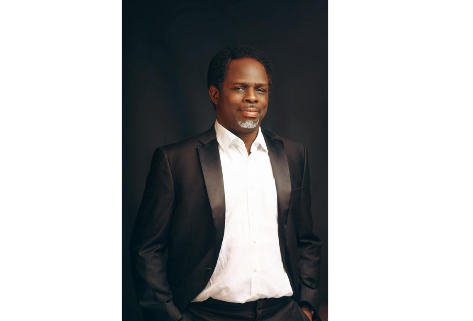
Former Delta State Commissioner for Oil and Gas Producing Areas, Sir Kenny Okolugbo, has spoken about his journey through governance, business and political strategy, saying that navigating internal party politics remains one of the most difficult aspects of Nigeria’s political system.
In this interview, Okolugbo reflects on his time in government, his experience in the private sector working with multinational companies, and the lessons leadership can learn from honest feedback and constructive criticism.
Excerpt:
“One of the biggest problems in our political system is politics within politics. Leaders need people who can speak truth to power, not just those who flatter them.”
Interview
Many Nigerians know your voice from radio programmes across the country. It’s a pleasure having you with us today, especially considering you travelled more than 400 miles to be here. For those who may not be very familiar with your story, can you briefly walk us through your journey so far?
My journey has been quite challenging but also very rewarding.
I’ve had the opportunity to make an impact in different sectors, particularly in public service and the private sector. At one point, I served as Commissioner for Oil and Gas Producing Areas in Delta State during the administration of former Governor Emmanuel Uduaghan.
One thing that stood out during that period was the level of trust the governor placed in his commissioners. We were given the freedom to manage our budgets and execute projects without interference.
Delta State is an oil-producing state, and allocations were distributed based on production levels. My area received about four per cent because it produced less oil, while some areas like the Itsekiri axis received about 29 per cent due to higher production.
Despite the limited allocation, we were able to execute 90 projects during my tenure, and all 90 were completed and commissioned before I left office.
That experience reinforced a key lesson for me: leadership matters. When a leader creates the right environment, people can achieve remarkable results.
After leaving government, you returned to the private sector. What was that transition like?
The transition was quite natural because I had always been involved in the private sector.
My background is largely in property and real estate. At one point, I represented Microsoft in property-related matters for about five years. That opportunity was a major breakthrough for us in Lagos.
The transactions were largely conducted in dollars even though we operated locally in naira, which helped strengthen our business.
That engagement opened doors for us to work with other multinational companies, including Centrica and others. Through those partnerships, we invested heavily in housing development, property sales and expanding the operations of my company, Kenkol.
You later returned to public service in another capacity as Special Adviser and Consultant to the Senate President. What did that role involve?
That was another important experience.
My role focused mainly on strategic communication and image management. Essentially, I helped manage messaging and public perception around the office of the Senate President, who is the number three citizen in the country.
In today’s digital age, communication has become far more complex. Social media has made everyone a publisher, and a single tweet or post can go viral within minutes.
Because of that, managing public communication requires careful strategy and quick thinking.
You’ve worked across governance, business and political advisory roles. Looking back, what has been the most challenging part of your journey?
One of the biggest challenges has been navigating what I call “politics within politics.”
A major issue in Nigeria’s political system is internal party politics. For instance, I was active in the Peoples Democratic Party (PDP), which used to be the largest political party in Africa.
One recurring challenge within the party was the lack of internal democracy. In many cases, candidates were selected through what people often refer to as “anointing” rather than open and competitive processes.
Sometimes individuals are chosen for positions regardless of whether they are the most qualified or the most popular among party members.
This often results in people occupying offices for which they may not be adequately prepared.
Another issue is the culture of surrounding leaders with “yes-men.” Leaders tend to prefer people who constantly agree with them rather than those who can speak truthfully and offer constructive criticism.
But in reality, leaders need people who can speak truth to power and point out when things are going wrong.
Interestingly, this challenge is not unique to Nigeria; it exists in many political systems across Africa.
When leaders begin to value honest feedback and constructive criticism, leadership will improve significantly.
Disclaimer
Comments expressed here do not reflect the opinions of Vanguard newspapers or any employee thereof.