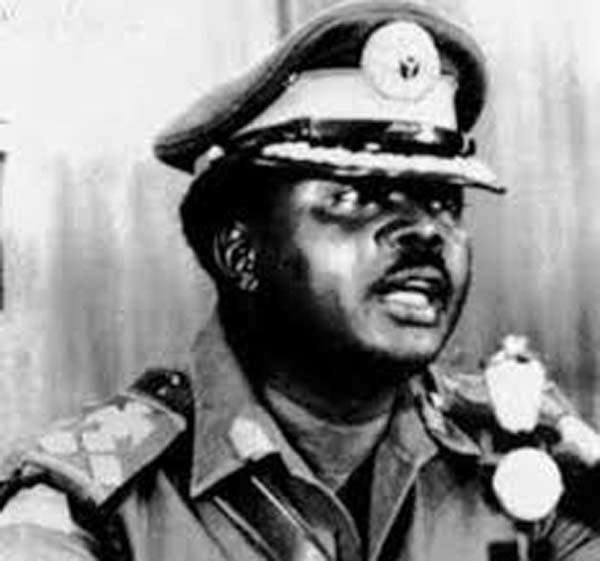
Five decades after the assassination of General Murtala Ramat Muhammed on February 13, 1976, his name still evokes a mixture of reverence, regret and unresolved longing despite his brief tenure as Nigeria’s Military Head of State. The late Gen Muhammed remains a benchmark for administrative forthrightness in a country where governance is often judged by promises deferred and ideals compromised.
Before his assumption of office, Nigerians were already weary of military governments, which were perceived as breeding stagnation, corruption and public cynicism.
But Gen Muhammed’s tenure, though lasted 200 days, struck the nation like a thunderclap. His message was simple but radical: public office was a trust, not a privilege, thereby projecting a leader in a hurry to clean the society. He sacked thousands of corrupt civil servants “with immediate effect,” streamlining bureaucracy as he reasserted discipline in public life despite backlash from the elites.
While many military juntas across Africa at the time were clinging to power, Muhammed announced a clear timetable for a return to civilian rule.
Nigeria became the cynosure of the world as Muhammed’s foreign policy firmly placed the country on the side of African liberation, especially support for MPLA in Angola’s civil war. His UN speech declaring “Africa has come of age” symbolised Nigeria’s assertive foreign policy then.
For many Nigerians, Muhammed made the state feel purposeful again. That sense of purpose is precisely why his assassination, by Lt. Col. Buka Suka Dimka during a failed coup attempt, remains one of the most traumatic moments in Nigeria’s history.
Despite having experienced other military and civilian governments after his death, the power of his legacy lies not in nostalgia alone but in contrast, 50 years after. Corruption persists, institutions strain under pressure, and public trust in leadership remains fragile.
His short rule appears almost mythic, not because he was perfect, but because he seemed principled, fearless and anchored in a clear moral vision.
However, he certainly was no saint. For instance, his civil war exploits remain controversial, with accounts in certain quarters calling some of his actions as a military leader to question. And as a military ruler, operating outside democratic consent, his sweeping purges, while popular, raised questions about due process.
But remembering him means acknowledging both his strengths and his limits. It also means recognising that courage, discipline and clarity of purpose are not incompatible with democracy, they are essential to it.
The true test of Muhammed’s legacy, today, is whether Nigeria has learned from his example. Have we built institutions strong enough to outlast individuals? Have we cultivated a political culture where integrity is rewarded, not punished?
Fifty years on, the answers are, at best, incomplete. But perhaps that is why Murtala Muhammed still matters.
Disclaimer
Comments expressed here do not reflect the opinions of Vanguard newspapers or any employee thereof.