By Progress Godfrey
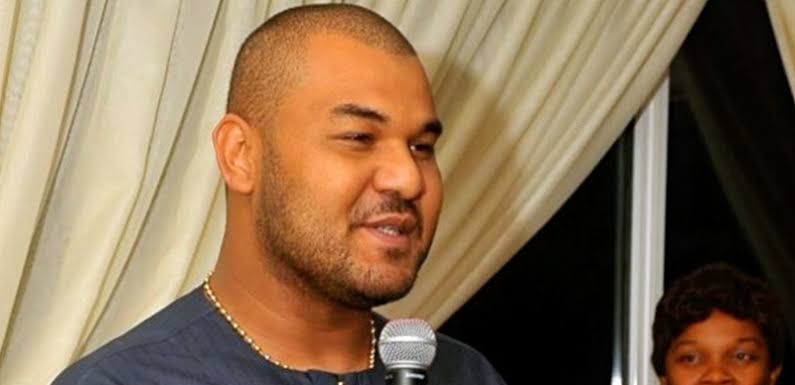
ABUJA — Chairman Board of Directors of DAAR Communications Plc, Raymond Dokpesi Jr has called for a united private sector front ahead of the forthcoming Broadcasting Organisations of Nigeria (BON) election, canvassing support from industry players to build consensus before the contest shifts into a full ballot.
Dokpesi made the appeal during an interactive session with journalists in Abuja, where he confirmed his interest in contesting for the BON chairmanship following its zoning to private broadcasters.
Dokpesi promised to overhaul the broadcasting ecosystem if elected, through reforms targeting digitisation challenges, regulatory bottlenecks, content monetisation gaps and what he described as systemic imbalances within the industry.
According to him, while the election is expected to take place in April, efforts are still in the early stages of consultation and alignment within the private broadcasting bloc to strengthen negotiating power.
“I think there is no doubt at this stage that certainly I have come out to throw my hat in the ring with the formal declaration of interest in vying for the position of Broadcasting Organisations of Nigeria Chairman.
“According to the constitution of BON, ordinarily the organised private broadcasters are supposed to come together and decide on a nominee for the BON chairmanship and submit same to the General Assembly. In a situation where they are not able to establish a consensus, then it goes into an open election,” he said.
Beyond the politics of the election, Dokpesi painted a picture of an industry under strain from digital disruption, shrinking advertising revenue and what he termed unfair value capture by global technology platforms and pay television aggregators.
He argued that while broadcasters produce content at high cost, digital platforms and algorithms repackage and monetise such content with little or no financial return to original creators.
He also criticised the encryption of free-to-air channels on paid platforms, insisting that it undermines public access to information and weakens the economic viability of traditional broadcasters.
He maintained that free-to-air broadcasting was designed to guarantee access to information irrespective of citizens’ economic status, stressing that aggregators who charge subscription fees for access to such channels should establish fair compensation frameworks for content owners.
On regulation and the approaching 2027 elections, Dokpesi called for a review of both the National Broadcasting Code and the NBC Act, arguing that the current framework gives excessive discretionary power to regulators and does not adequately reflect modern technological realities.
“The NBC Act today is what gives recognition to the National Broadcasting Code. But the National Broadcasting Code is approved by the Minister of Information, not by a general assembly of the broadcasters licenced by the NBC,” he noted.
The Chairman advocated greater industry participation and government collaboration in shaping regulatory outcomes, warning that vague provisions in the Code could be weaponised where political interests are involved. He also expressed concern over the largely unregulated digital space, warning that foreign-owned platforms having influence on Nigeria’s information ecosystem threatens sovereignty.
Dokpesi said that if elected, his first action would be to convene a broad industry meeting to align stakeholders around five reform pillars he earlier outlined, including regulatory review, election coverage standards and economic sustainability for broadcasters.
Disclaimer
Comments expressed here do not reflect the opinions of Vanguard newspapers or any employee thereof.