By Prisca Sam-Duru
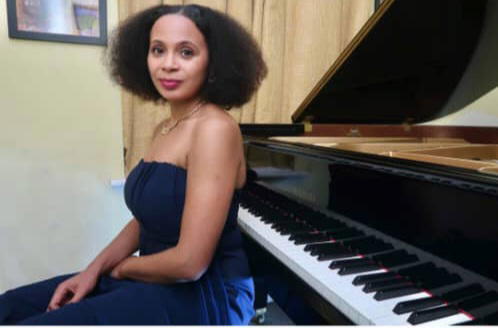
When the echoes of the ojà (flute) and the talking drum first met the sophisticated acoustics of London’s Wigmore Hall, a new era of classical music was born. At the center of this cultural revolution is Rebeca Omordia, the acclaimed Nigerian-British concert pianist who is playing a pivotal role in bringing African classical music to global audiences.
As the founder of the African Concert Series, Omordia has transformed one of the world’s most prestigious stages into a vibrant hub for African art music.
Now, the celebrated pianist is returning to her roots in Lagos on February 10 to mentor a new generation of talent. She is also billed to perform at the historic MUSON Centre Lagos and Mountain Top University’s Organ House.
Founded in 2019, the African Concert Series was born from Omordia’s vision to spotlight composers who have long been overlooked by the mainstream. Her efforts reached a high point in 2023 when Wigmore Hall awarded her a residency, establishing the series as a fixture of the international tour. The series is far more than a piano recital; it is a tapestry of African identity. It has enabled the African Concert Series to flourish, bringing together not only Nigerian classical musicians but also showcasing traditional African music.
The series has featured evocative performances of the ojà (flute) with Ogbu-Oja Gerald Eze and the resonant rhythms of the talking drums with Richard Olatunde Baker, as well as Nigerian classical sopranos Omo Bello and Victoria Oruwari, pianist Glen Inanga, and composer and multi-instrumentalist Tunde Jegede. By integrating the NOK Orchestra and contemporary composers like Tunde Jegede, Omordia is proving that African classical music is a living, breathing, and diverse ecosystem.
Omordia’s influence extends beyond the stage and into the airwaves. Her African Pianism recordings are essential on the BBC, showcasing a unique fusion where Western classical techniques meet the complex polyrhythms of the continent.
Critics have hailed her work for reshaping global perceptions, proving that the works of Nigerian masters like Fela Sowande, Akin Euba, and Ayo Bankole belong alongside the likes of Bach and Beethoven.
Despite her international acclaim, Omordia remains deeply committed to Nigeria’s local scene. On Tuesday, February 10, she will return to the MUSON Centre in Lagos – the heart of Nigerian art music – for a highly anticipated recital and masterclass.
For the students of the MUSON School of Music, the event is a rare opportunity to learn from a world-class practitioner.
Masterclasses like these are vital; they offer young musicians’ direct feedback on technique and interpretation, bridging the gap between local talent and global standards.
Omordia’s Lagos schedule also includes a visit to Mountain Top University (MTU) for an event organised by the Organ House Concert and Seminar Series. MTU has become a significant player in the research and documentation of African musical heritage, and Rebeca’s participation in this interdisciplinary initiative underscores her role not just as a performer, but as a scholar and advocate for the African diaspora’s intellectual contributions to the arts.
As the African Concert Series prepares to launch its eighth season in London on March 21, Omordia’s visit to Nigeria serves as a powerful reminder of the strength found in dual heritage.
Omordia’s unique ability to blend African and Western classical music traditions has made her an influential figure in both worlds. Her performances, often featuring a mix of African and Western classical works, demonstrate that these musical traditions can coexist and enrich each other. Her return to Lagos reflects her enduring commitment to bridging cultural gaps and promoting African classical music on the global stage. Through her work in Nigeria and at Wigmore Hall in London, Omordia is reshaping how classical music is perceived, highlighting the richness of African classical traditions and the power of cultural exchange.
This is, therefore, more than just playing notes; Rebeca is orchestrating a global conversation where every culture has a seat at the table.
Disclaimer
Comments expressed here do not reflect the opinions of Vanguard newspapers or any employee thereof.