…Says Nigeria Is Not a Colonial State of the United States
…Urges Senate to Demand Briefing on Nigeria–US Security Operations
By Henry Umoru
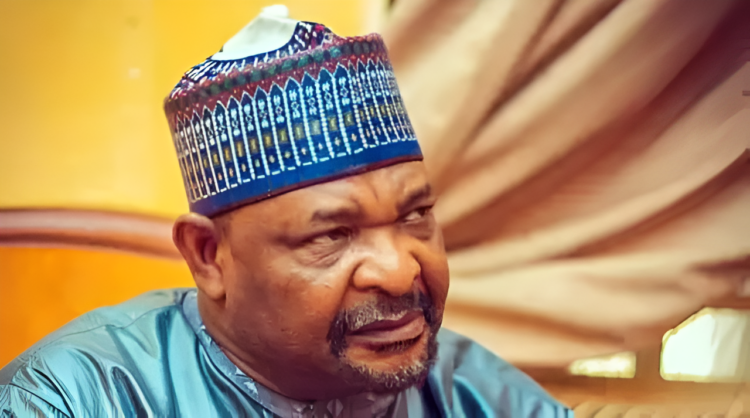
ABUJA — Former Deputy Senate Leader, Senator Abdul Ningi (PDP, Bauchi Central), has criticised the reported Christmas Day bombing of terrorist hideouts in Sokoto State allegedly carried out by United States forces in collaboration with Nigerian security agencies, describing it as a grave breach of Nigeria’s sovereignty and the constitutional authority of the National Assembly.
Raising the matter under Order 9 of the Senate Standing Orders 2023 (as amended), which relates to matters of privilege, Senator Ningi said that while he supports efforts to eliminate terrorism, all such actions must strictly follow constitutional procedures. He stressed that Nigeria is not a colonial country of the United States and must not be treated as such.
According to him, any alleged foreign military action on Nigerian soil without full constitutional compliance amounts to a serious violation of national sovereignty and the authority of the legislature, urging the Senate to take the issue up immediately.
Senator Ningi cited provisions of the 1999 Constitution, noting that legislative powers are vested in the National Assembly, which is empowered to make laws for the “peace, order and good government of the Federation.” He argued that such powers place a responsibility on the legislature to demand accountability in matters affecting national security and territorial integrity.
Referring to the reported Sokoto strike, Ningi alleged that any unilateral action by foreign forces within Nigeria would constitute a violation of the Constitution and international law, including the United Nations Charter. He warned that failure to address such actions could weaken Nigeria’s territorial integrity and undermine the independence of the legislature.
The Bauchi lawmaker further cautioned that unchecked foreign interference could expose Nigerian leaders to undue external pressure, insisting that lawmakers must safeguard the country’s sovereignty regardless of the intentions behind any security collaboration.
He called on the Senate leadership to formally notify the United States government that any military engagement on Nigerian territory must be transparent and fully coordinated through constitutionally recognised Nigerian authorities.
Senator Ningi maintained that only the President, as Commander-in-Chief of the Armed Forces, has the constitutional authority to approve military operations within Nigeria, adding that even such authority must be exercised in accordance with the law and with legislative oversight.
“The title of Commander-in-Chief is not ceremonial,” he said. “It confers responsibility and authority to control the armed forces within the bounds of the Constitution.”
He criticised what he described as silence from the executive arm of government, stressing that the National Assembly has a duty to speak on issues of national importance.
“The executive acts, but the legislature must speak,” Ningi said. “This Assembly has a core responsibility and accountability in governance. It is not an appendage of the executive.”
He also warned that failure to assert Nigeria’s sovereignty could embolden other global powers to act similarly, stressing that Nigeria must consistently protect its national interest.
Senator Ningi urged the leadership of the National Assembly to demand an immediate security briefing from relevant agencies to clarify the circumstances surrounding the reported strike.
Responding, President of the Senate, Senator Godswill Akpabio, disclosed that lawmakers would be briefed on Nigeria–United States security cooperation behind closed doors, cautioning against open debate on sensitive security matters.
Akpabio noted that Senator Ningi had raised a matter of privilege, not a motion for debate, and therefore further open contributions were unnecessary. He added that, after reviewing the relevant constitutional provisions, the Senate leadership concluded that Senator Ningi’s parliamentary privilege had not been breached.
Describing the issue as sensitive, Akpabio said it was more appropriate for discussion in a closed session, explaining that the Senate leadership had already received briefings from security agencies on the incident.
He assured lawmakers that a comprehensive briefing would be provided at the appropriate time, noting that the reported operation in Sokoto was carried out with the knowledge and collaboration of Nigerian security services.
“Security matters are not discussed in the open,” Akpabio said. “Your point of order is noted, and the Senate will be properly briefed.”
Disclaimer
Comments expressed here do not reflect the opinions of Vanguard newspapers or any employee thereof.