…Marks years with over N10m classroom upgrade, mentorship drive
By Chioma Obinna
Medical doctors trained at the College of Medicine, University of Lagos, CMUL, under the 2004 MBBS/BDS class have raised concerns over Nigeria’s worsening healthcare system, citing brain drain, poor remuneration, weak funding, and ethical risks in the use of artificial intelligence, AI, in medical training and practice.
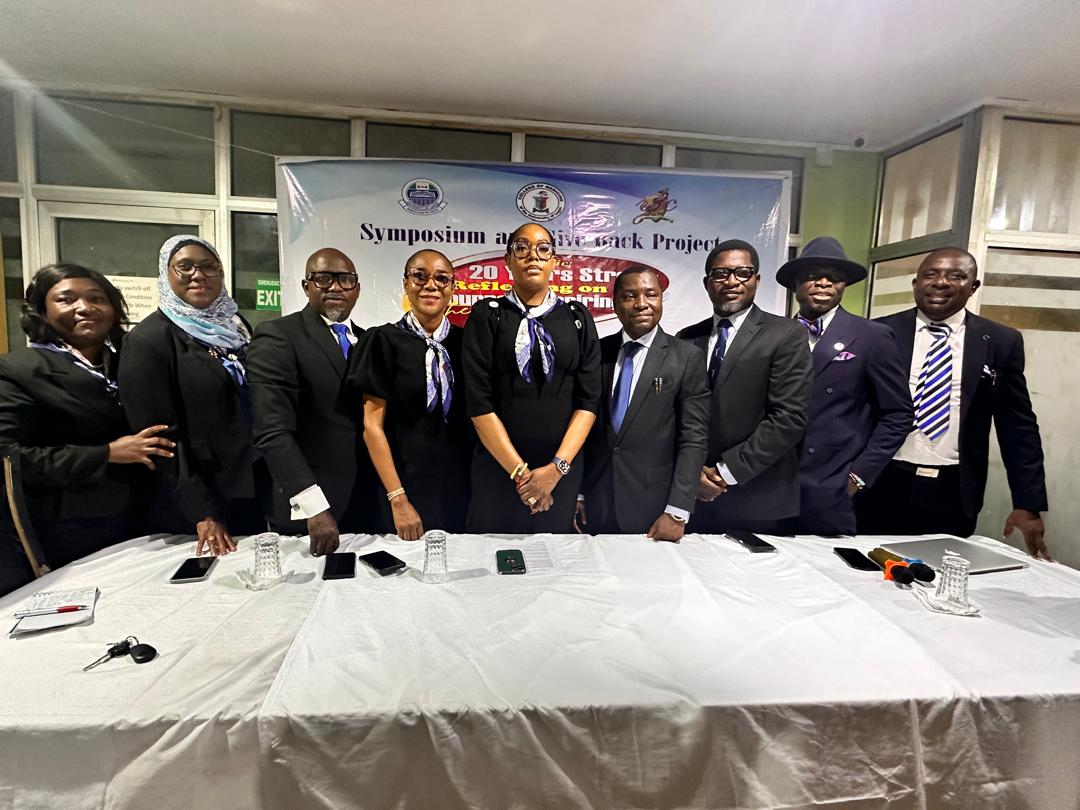
Speaking at a press briefing on Tuesday to mark the 20th anniversary of their graduation, the Chairman of the Class of 2004 Anniversary Committee, Dr Olayemi Dawodu, said the increasing migration of doctors, frequent industrial actions, and underinvestment in healthcare were threatening the country’s ability to deliver quality medical services.
“Let me be clear. It’s all mostly remuneration. The welfare of the doctor matters,” Dawodu said.
She explained that while doctors are committed to saving lives, poor working conditions and lack of incentives continue to push many young professionals out of the country in search of better opportunities.
The alumni, who are marking 20 years of professional practice under the theme: “20 Years Strong: Reflecting on Our Journey, Inspiring the Future,” said the anniversary was not just a celebration but an opportunity to engage policymakers, students and the public on critical issues affecting Nigeria’s health sector.
According to Dawodu, the reunion also reflects a sense of responsibility to give back to the institution that trained them. He noted that alumni from across Nigeria, Africa, the United States, the United Kingdom, Canada and Australia had returned to participate in the week-long activities.
The programme includes courtesy visits to the Provost of CMUL and the Chief Medical Director of the Lagos University Teaching Hospital, a scientific conference and symposium, and the commissioning of a major give-back project.
As part of the project, the class renovated and upgraded the 200-level “Patron Class,” a key lecture hall for medical students. The project, valued at over ₦10 million, includes smart televisions, inverter-powered lighting and fans, improved seating, and modern teaching aids to enhance learning.
Beyond infrastructure, the alumni also addressed concerns over the growing use of AI in medical education. Dawodu said while AI has a role to play in expanding access to healthcare, especially in underserved areas, it must be guided by ethics and regulation.
“AI is not totally bad; it is how you use it. But there must be rules and tools to prevent abuse,” she said, adding that the University of Lagos already has a policy on AI use.
Also speaking, a member of the class, Dr Dipo Ayedun, said the upgrade was aimed at ensuring that students at CMUL could learn in an environment comparable to global standards.
“We are well travelled, and we know what is obtainable abroad. We ensured that this classroom reflects that standard,” he said.
Other speakers at the briefing linked the brain drain crisis to poor government funding and weak healthcare planning.
Another member of the class, Dr Olusanyo Moses said Nigeria’s doctor-patient ratio remains dangerously low, while budgetary allocation to health falls far below global benchmarks.
“Young people leave because the basics are not in place. Funding is the issue across the board,” he said.
The alumni also spoke on frequent strikes in the health and education sectors, describing them as a last resort caused by government’s failure to act proactively.
“Doctors do not want to withdraw service. Our joy is when patients get better, not when they are denied care,” Dawodu said.
The anniversary celebrations will climax with a dinner and awards night on Saturday, during which outstanding members of the class will be honoured.
According to the organisers, the reunion is ultimately about legacy strengthening medical education, mentoring future doctors, and demonstrating that excellence and impact are possible both at home and in the diaspora.
Other members of the class who came from abroad and other parts of the country includes: Dr Amina Adenike Aregbe, Dr Esther Oluwole, Dr Tokunbo Fasuyi and Dr Olutope Savage.
Disclaimer
Comments expressed here do not reflect the opinions of Vanguard newspapers or any employee thereof.