By Marie-Therese Nanlong
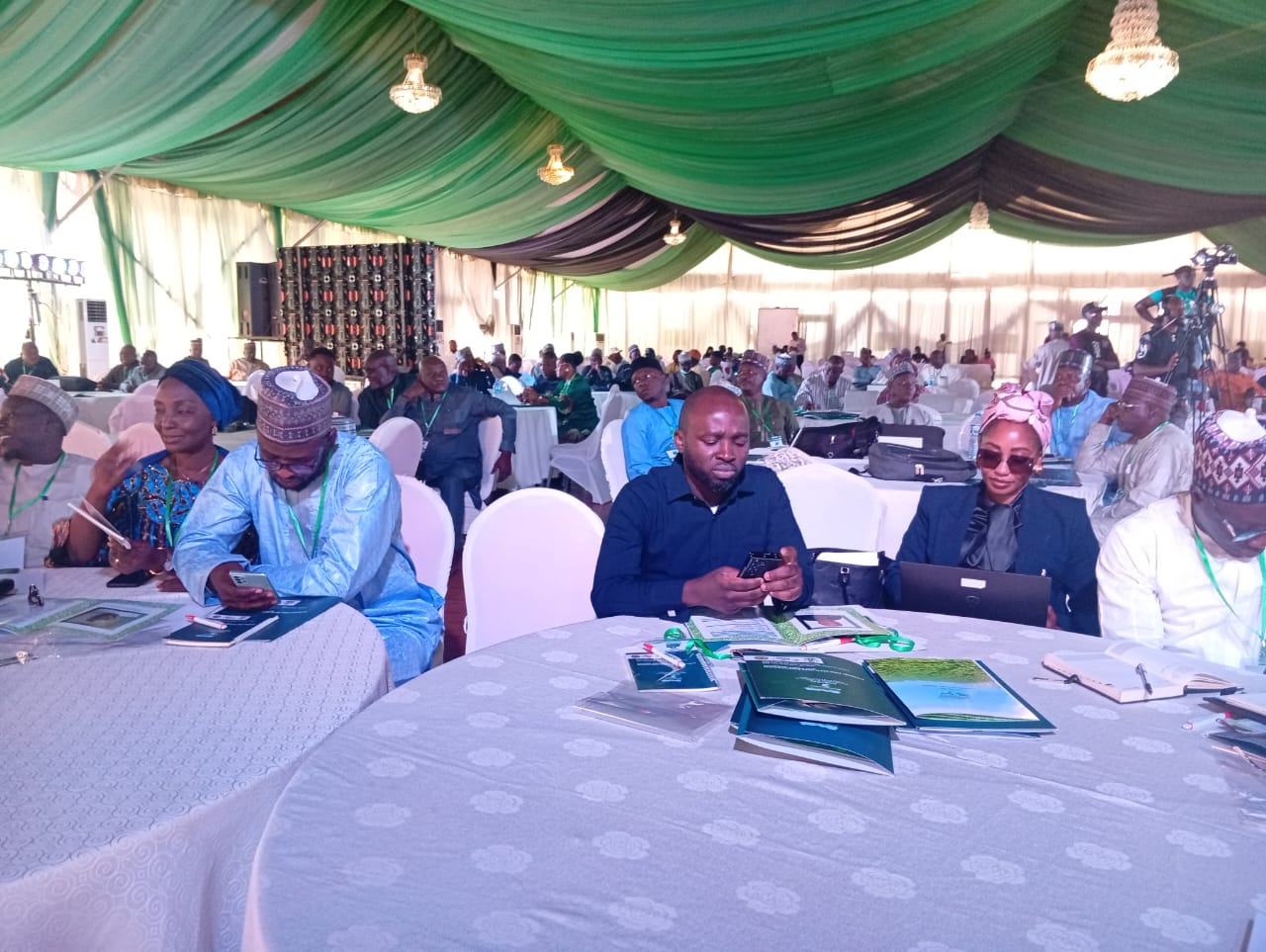
Jos – The Agro-Climatic Resilience in Semi-Arid Landscapes (ACReSAL) project has opened a pre-midterm review in Jos, Plateau State, bringing together representatives from the 19 participating northern States and the Federal Capital Territory, FCT to appraise implementation progress and refine strategies for the next phase of the initiative.
The eight-day review, which runs from 8–13 December, forms part of an evaluation framework ahead of the official World Bank mid-term assessment.
Joy Agene, the Task Team Leader for ACReSAL, described the gathering as a pivotal point in the project’s lifecycle.
She explained that the current mission builds on earlier engagements held in Abuja, during which documents and progress reports from all participating States were examined.
“I believe that as we commence the second leg of our mission, which began in Abuja, we have entered a crucial phase. We engaged with all 19 Northern States, where we assessed and reviewed documents to evaluate our progress and results,” she said.
Agene further noted that the session in Jos would allow for “in-depth discussions, address critical questions, and chart a clear way forward to meet our targets.”
Ibrahim Kabir, who chairs the forum of ACReSAL States Coordinators and also leads the programme in Bauchi State, said the review provides an opportunity to measure how much progress has been made since the project began three years ago.
He emphasised that the exercise is consistent with World Bank procedures aimed at ensuring accountability and alignment with agreed targets.
“These pre-midterm reviews are procedures for all World Bank implementation projects to enable us to review if set targets in the 19 states and the FCT have been achieved,” he stated.
According to him, the review also serves to highlight gaps, propose corrective measures, and consider emerging concerns across agriculture, environment, and water resources, as he disclosed that approximately 70 per cent of the approved $700 million project fund has already been utilised.
Also, the Plateau State Project Coordinator, Garba Gonkol, said the project has already begun reshaping livelihoods and environmental conditions across several communities, and noted improvements in watershed protection, land restoration, and the resilience of rural farming systems.
Welcoming participants to Jos, the Plateau State Commissioner for Environment, Climate Change and Mineral Development, Peter Gwom, said ACReSAL aligns closely with the government’s broader environmental agenda.
He pointed out that while Plateau is blessed with rich landscapes and biodiversity, the State also faces significant ecological threats including erosion, deforestation, illegal mining, and climate-driven pressures on food production and water resources.
“ACReSAL has therefore come at the right time, aligning perfectly with our administration’s vision of building a greener, safer, and more prosperous State,” he said.
Mr Gwom highlighted key gains already recorded under the project, ranging from landscape restoration and improved agricultural productivity to increased environmental awareness, community resilience, green job creation, and strengthened institutions.
He reaffirmed the government’s commitment to sustaining the programme by supporting inclusive engagement, improved governance, and long-term climate adaptation strategies.
Representing the national project coordinator, Abdulhamid Umar, Abdulaziz Abubakar commended States teams for their efforts and encouraged them to use the review to deepen collaboration and ensure that the outcomes shape a stronger mid-term evaluation.
Stakeholders are expected to develop consolidated findings and recommendations that will guide the next implementation phase and help position ACReSAL to deliver lasting environmental and livelihood benefits across the participating States.
Disclaimer
Comments expressed here do not reflect the opinions of Vanguard newspapers or any employee thereof.