By Adeola Badru
Ibadan, Oyo State – Christian and cultural women leaders in Oyo State have been urged to take proactive roles in preventing and responding to gender-based violence (GBV), with empowerment, advocacy, and collaboration highlighted as critical tools for sustainable change.
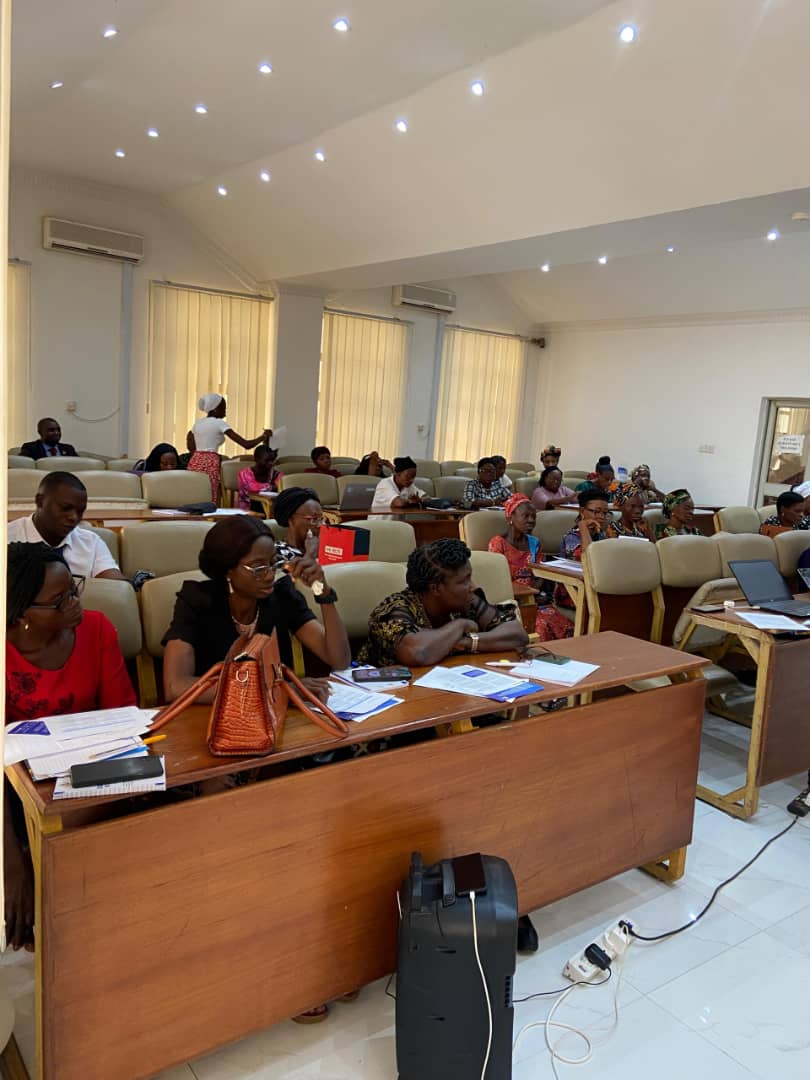
The call was made during an enlightenment programme held at Ibadan Business School, which brought together representatives from government ministries, faith-based institutions, traditional leadership, civil society groups, and the media across Oyo and Osun States.
Tagged “Empowering Christian Women and Women Leaders of Culture for Prevention and Response to Gender-Based Violence in Nigeria, Through Strengthening of Grassroots Organizations,” the programme was organized by the NGO HACEY in collaboration with the Women Aid Collective (WACOL). It aimed to equip women leaders with practical strategies to challenge harmful societal norms, support survivors, and promote peaceful, resilient communities.
In her keynote address, Lady (Dr.) Patricia Ifeoma Amechiobi, Chairperson of the Women’s Wing of the Christian Association of Nigeria (CAN), Oyo State, urged women to lead by example in their homes and communities. She emphasized the importance of financial and emotional empowerment, coupled with moral and spiritual guidance, in preventing domestic violence and fostering family harmony.
Amechiobi also called on churches to provide temporary shelter and counselling for victims of abuse while promoting balanced moral education for both boys and girls.
“The summary of my presentation is centred on being the change, becoming a champion against gender-based violence. When couples live peacefully, they become role models to others, influencing both youths and adults. Empowerment, financial or emotional, is key,” she said.
“A woman with her own source of income is more stable and can contribute meaningfully at home, reducing conflict that often leads to domestic violence.”
“Churches should provide temporary shelter for women experiencing violence until their situations are resolved. Sending them back to violent homes immediately could result in tragedy.”
“Training should target both boys and girls to ensure they grow into responsible adults who understand respect and mutual care within families.”
Also speaking at the event, Dr. Adekunle Aremu, Director of Health Planning, Research, and Statistics at the Oyo State Ministry of Health, highlighted ongoing government efforts to curb GBV through awareness campaigns and community engagement. He noted that these initiatives have contributed to a reduction in violence cases across the state.
“For some years now, the government has been raising awareness through radio and television programmes, jingles, and other channels to help people understand and tackle gender-based violence within their communities. Cases of GBV have been reducing compared to previous years, thanks to these efforts,” Dr. Aremu said.
In her remarks, Mrs. Funmilayo Adebukola Akinpelu, Gender Desk Officer at the Ministry of Women Affairs, stressed the importance of collaboration between government agencies and non-state actors, including faith-based and traditional leaders, in providing effective support for survivors of GBV. She warned against working in isolation, urging NGOs to coordinate closely with the government for greater impact.
“The government alone cannot provide all the necessary support for survivors. Strong partnerships between government, NGOs such as HACEY and WACOL, faith-based organizations, and traditional leaders are crucial. When NGOs share their activities and coordinate with the government, resources can be harnessed collectively, and survivors receive the support they need,” Mrs. Akinpelu said.
The programme concluded with a renewed commitment among participants to strengthen coordination, integrate feedback into subsequent action plans, and sustain communication among stakeholders in the fight against GBV.
Disclaimer
Comments expressed here do not reflect the opinions of Vanguard newspapers or any employee thereof.