By Titus Plang
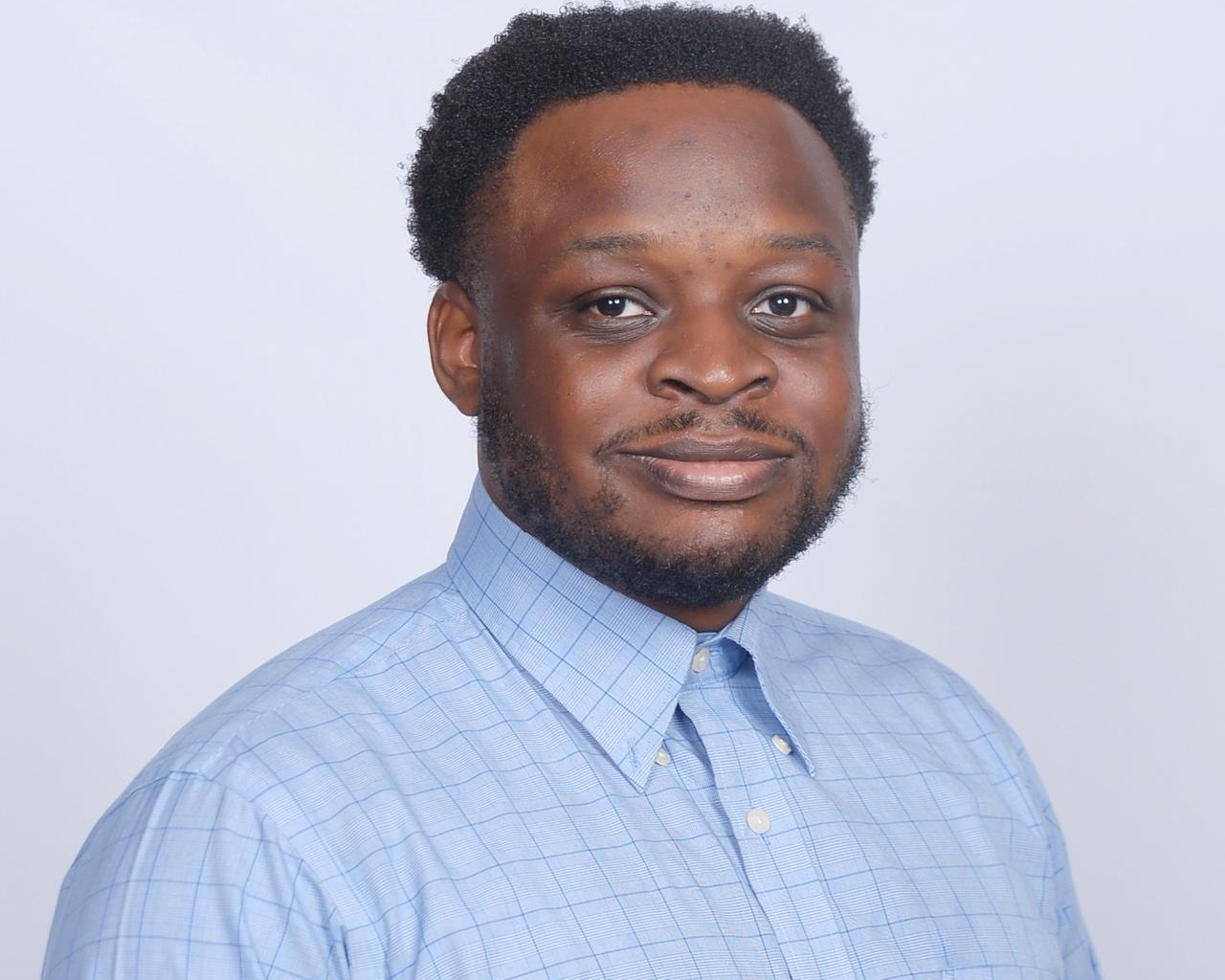
In a world where artificial intelligence is reshaping medicine, many countries race to integrate new technologies into their health systems. For Nigeria rich in potential but facing systemic challenges the question is: what will it take to build a healthcare system that is smart, equitable, and sustainable? Vanguard spoke with U.S.-based health informatics and bioinformatics expert Precious Adeniyi to explore this question. Adeniyi shares his vision for building a smarter, more equitable Nigerian healthcare system grounded in policy, data, and intentional digital transformation. With extensive experience in digital health solutions, precision medicine, cancer research, and public health advocacy, Adeniyi emphasizes the importance of innovation rooted in local context not simply copying foreign models. In this interview, he discusses how Nigeria can bridge healthcare gaps, nurture local talent, and create a digital health future that leaves no one behind.
What initially drew you into the healthcare and informatics space?
It was not a single moment; it was a series of personal and academic experiences that led me here. I have always been drawn to science and problem-solving. In undergrad, I was exposed to computational biology and bioinformatics, which introduced me to the power of data in understanding diseases. Later, during my graduate studies in health informatics, I realized the potential of digital systems to improve healthcare delivery, not just in terms of efficiency but also equity. My journey has always straddled two worlds: the scientific and the systemic. Bioinformatics helps us understand the root of diseases, while health IT enables us to deliver care more intelligently. I am especially passionate about how we can leverage both genomic insights and digital platforms to build a more precise, accessible, and data-driven healthcare system in Nigeria and beyond.
You have a unique blend of experience in clinical systems, bioinformatics, and AI. How did you come to work at the intersection of these fields?
I often describe it using a software analogy: health tech is the “front end,” connecting patients, clinicians, and caregivers through platforms like Electronic Health Records (EHRs), telehealth, and AI-powered diagnostics. Biotech, on the other hand, is the “back end,” where molecular diagnostics, genomic sequencing, and drug discovery happen. Like in software development, the front and back ends must work together seamlessly. My training across both domains, research in genomics, and experience with clinical technologies have given me a rare and well-rounded perspective on how to architect meaningful healthcare innovation.
Tell us about your current work—what projects are you working on, and what impact are you aiming for?
I am exploring ways to build a concept I call Clever Informatics, which sits at the intersection of biomedical science, digital health innovation, and systems thinking. The goal is to bridge the gap between bioinformatics discoveries, like genetic markers, and clinical decision-making by integrating these insights into Electronic Health Records (EHRs) and Clinical Decision Support Systems (CDSS). I am also actively researching how we can use public health informatics to predict and respond to disease outbreaks, especially in resource-constrained settings. Whether it is oncology, infectious disease, or primary care, my work is about using digital tools to reduce uncertainty, support clinicians, and ultimately improve health outcomes, particularly for underserved populations.
What do you see as the most urgent opportunities for digital health in Nigeria or Africa more broadly?
There are so many areas where digital health could make a transformational impact, but I would highlight three: First is interoperability and data systems. Right now, much of our healthcare data is either unstructured or siloed. We need systems that talk to each other, nationally and even continentally. This would support continuity of care and inform national health planning. Second is community-centered technology. We often think of digital health as apps or hospital software, but it is also about building systems that meet people where they are. That means mobile health (mHealth), WhatsApp bots for maternal care, AI-assisted community health workers, and solutions that are tailored to our infrastructure and cultural norms. Third, and most critically, is policy innovation. We cannot digitize analog systems without rethinking the frameworks that guide them. This includes data governance, patient privacy, reimbursement models, and ethical AI deployment. If the policy environment is not enabling, then even the most promising tools will fail to scale.
You’ve judged innovation events and science fairs. Why do you believe youth engagement in tech and informatics is critical?
Young minds are naturally curious, and that curiosity is the seed of innovation. I’ve had the privilege of serving as a judge at the Montgomery County Science Fair in Maryland, and this year, I was the head judge in one of the biology categories. Watching students walk through the scientific process, developing hypotheses, running experiments, and presenting results, is incredibly inspiring. In Nigeria, we need to create similar opportunities. Early exposure to scientific thinking cultivates not just future researchers, but future problem-solvers, people who can tackle real-world challenges with confidence and creativity.
What academic or training programs do you believe Nigeria needs to develop the next generation of health innovators?
At the primary and secondary levels, we should introduce science fairs, coding clubs, and early research opportunities to develop a strong foundation. At the university level, medical, pharmacy, and nursing programs must integrate courses on digital health, genomics, and AI. Beyond formal education, we need partnerships with biotech companies, digital health startups, and global institutions to offer workshops, fellowships, and seminars. The goal is not siloed innovation, but an integrated ecosystem where health, tech, and policy work together.
As AI becomes embedded in healthcare, how do we ensure it does not widen existing inequalities?
We must acknowledge that unintended consequences exist. For example, wealthier hospitals may get access to advanced AI tools before rural clinics, widening gaps in care. To prevent this, equity must be part of the design. Policies should mandate that innovations benefit both urban and rural settings, and training programs should be inclusive. Digital tools should not just digitize inequality; they must dismantle it.
What is your view on African genomic data and ethical frameworks in the global AI conversation?
African genomic data is vital. The genetic diversity across African populations is unmatched, yet remains underrepresented in global research. This underrepresentation limits the effectiveness of AI models trained on non-African datasets. At the same time, we need robust ethical frameworks to protect people’s privacy and prevent data exploitation. That means working closely with policymakers, researchers, and local communities to ensure consent, transparency, and long-term benefit sharing. Genomic sovereignty is not just about science—it is about justice.
How do you view the role of artificial intelligence in healthcare in Nigeria?
AI is not the future; it is the now. But the way we implement it will determine whether it becomes a tool for equity or a driver of new disparities. In Nigeria, AI can help us do more with less. It can support diagnostics in rural areas, flag high-risk pregnancies, optimize supply chains, and track public health trends in real time. For instance, machine learning models could be used to predict malaria outbreaks based on weather data and deploy interventions before lives are lost. But we have to be intentional. Our models must be trained on local data. Our systems must be transparent and accountable. We must build AI that understands context, not just code. If we do this right, AI can be a powerful equalizer in our healthcare system.
What motivates you to keep pushing forward in this space?
Honestly, it is the belief that we can build a different kind of future, one that does not accept inequity as inevitable. I think about the people who never make it into our statistics because they died before reaching a clinic. I think about the talented Nigerians who leave because there are no research grants or companies building here. I want to change that.
My motivation comes from knowing that change is not only possible, it is already happening. I have met brilliant African innovators building solutions for cancer diagnostics, vaccine tracking, and maternal health, and they are doing it with far fewer resources than their counterparts in Silicon Valley. My work centers on bridging innovation and equity, connecting the dots between cutting-edge research, digital health solutions, and inclusive implementation, so that no one is left behind as we reimagine the future of healthcare.
If you were advising policymakers in Nigeria today, what top three recommendations would you give to accelerate digital transformation in healthcare?
That is a very important question. If we want to future-proof Nigeria’s healthcare system, we must start with policy. In the United States, the Health Insurance Portability and Accountability Act (HIPAA) has shaped how technology is governed and integrated into clinical workflows. Nigeria has the National Health Act (2014), which offers a general framework, but it is not as comprehensive when it comes to digital systems, privacy, and interoperability. I would recommend creating a Nigerian version of HIPAA, an enforceable policy framework specifically designed for our unique context. This would serve as the legal and ethical backbone of a modern, secure, and efficient healthcare system. Second, we need to move toward an integrated health system, rather than a fragmented one. Today, public and private healthcare providers often operate in silos. Patient records are not centralized, which limits data continuity and efficient care. We should learn from international systems, not simply replicate them. We can extract best practices from countries like the U.K., the U.S., or Rwanda, and tailor those strategies to fit our local realities. We must be intentional about what we adopt and adapt, learning not only from what works but also from what has failed elsewhere. Third, we need to meaningfully invest in research and development. We must support innovative companies, startups in biotech, health tech, digital diagnostics, and pharmaceuticals, through local funding and incentives. If Nigeria can produce more of its own diagnostics, drugs, and digital solutions, healthcare becomes not only more affordable but also more accessible. Additionally, this would reduce our overreliance on Western imports and create high-skill jobs for Nigerians who might otherwise seek opportunities abroad. Innovation must be seen not only as a health imperative but also as an economic engine.
What does a fully realized, AI-powered health system in Nigeria look like to you, not just technologically, but in terms of access, equity, and outcomes?
It is a system where AI is used to improve efficiency across every metric, from how healthcare is accessed, to how it is delivered, financed, and measured. In this future, AI is not just a buzzword but a tool for equity. We would see AI used in risk stratification, identifying populations at higher risk of disease and proactively deploying resources to prevent health crises. We would have public health informatics systems that could predict and mitigate outbreaks, like Lassa fever or cholera, before they spiral out of control. We would have smarter maternal health tracking, leading to lower maternal and infant mortality rates. It would also mean better diagnostic support in rural areas, faster patient triage, and more informed clinical decision-making. A fully realized AI-powered health system would be inclusive, locally adapted, and continuously learning from its own data to evolve over time. It is not just about technology; it is about building a system that delivers fair, proactive, and high-quality care to every Nigerian, regardless of location or income.
You have lived and worked abroad. What lessons from your international experience do you think can be meaningfully applied in Nigeria, and what lessons from Nigeria does the global health system need to hear?
It is difficult to distill everything into just a few points, because my experience abroad has shaped not only how I work but how I see the world. One of the biggest lessons is the importance of building a solid foundation. Systems thrive when there is strong policy, reliable infrastructure, and clear standards. Without those, even the best innovations cannot scale. Another key lesson is the power of public–private partnerships. When governments and private sector players collaborate, bringing their respective strengths and incentives, we can create healthcare systems that are both equitable and innovative. I have also come to value the culture of continuous learning and interdisciplinary collaboration. You are not limited by your degree or department; there is always room to evolve. That has led to the rise of entirely new industries like biotech, medtech, and digital therapeutics. Nigeria needs to embrace that same fluidity and openness, because innovation rarely happens in silos. Finally, and perhaps most importantly, we must support the sciences. Every technology we celebrate today, whether it is AI or mRNA vaccines, originated from basic research. AI, for example, would not exist without decades of neuroscience research that helped us model neural networks. Nigeria has an immense pool of talented, driven individuals. But for too long, we have been consumers rather than creators. It is time we build our systems, solutions, and future.
What excites you most about the future of health and AI in Africa?
It is easy to get caught up in the hype around AI, but for me, the most exciting thing is its potential to bridge healthcare gaps, not just increase efficiency. In the West, AI has mostly been used to optimize already advanced systems. In Africa, the opportunity is different, and arguably even more meaningful. We have a chance to design from the ground up, building AI systems that are intentionally inclusive, culturally informed, and equity-driven. We can use AI to reach the unreached, scale up our workforce, and make diagnostics, treatment, and preventive care accessible in every village, town, and city. That is the real excitement for me: the chance to build a healthier, more just Africa, powered by intelligence, both human and artificial.
Precious Adeniyi is a Health IT consultant and bioinformatics researcher specializing in digital health innovation, precision oncology, and AI-driven healthcare systems. He is the founder of Clever Informatics, a knowledge platform exploring the intersection of technology, equity, and biomedical science. His work spans research roles at Baylor College of Medicine, experience at Guardant Health, and advisory roles in emerging health tech ecosystems across Africa and the United States.
Disclaimer
Comments expressed here do not reflect the opinions of Vanguard newspapers or any employee thereof.