By Kenneth Oboh
*The Environmental Crisis in Eeken
In the quiet village of Eeken, Rivers State, Nigeria, garbage clogs waterways, acrid smoke fills the air, and farmlands suffer. For years, this rural community was forgotten—excluded from formal waste systems and left to fend for itself. But between December-February 2025, hope arrived in the form of Yigakpoa L. Ikpae, a UN SDGs advocate and COO of CLENT Africa.
How Yigakpoa Ikpae is Using Composting and Data to Drive Impact
Yigakpoa Ikpae, a 2024 UMI Fund awardee, saw beyond the visible crisis. She launched the Eeken Community Project—a grassroots initiative using composting, public health outreach, and digital technology to address both environmental injustice and health disparities. Backed by partners like Dr Elizabeth Obidinnu of The UnBooked Doctor, UMI Fund, Social Change Nest, and Daily Intercession, the project not just promoted charity, but community-led collaboration.
“We’re not here to give handouts,” Yigakpoa told us. “We’re here to co-create green tech solutions and demand environmental justice.”
The Health Cost of Poor Waste Management
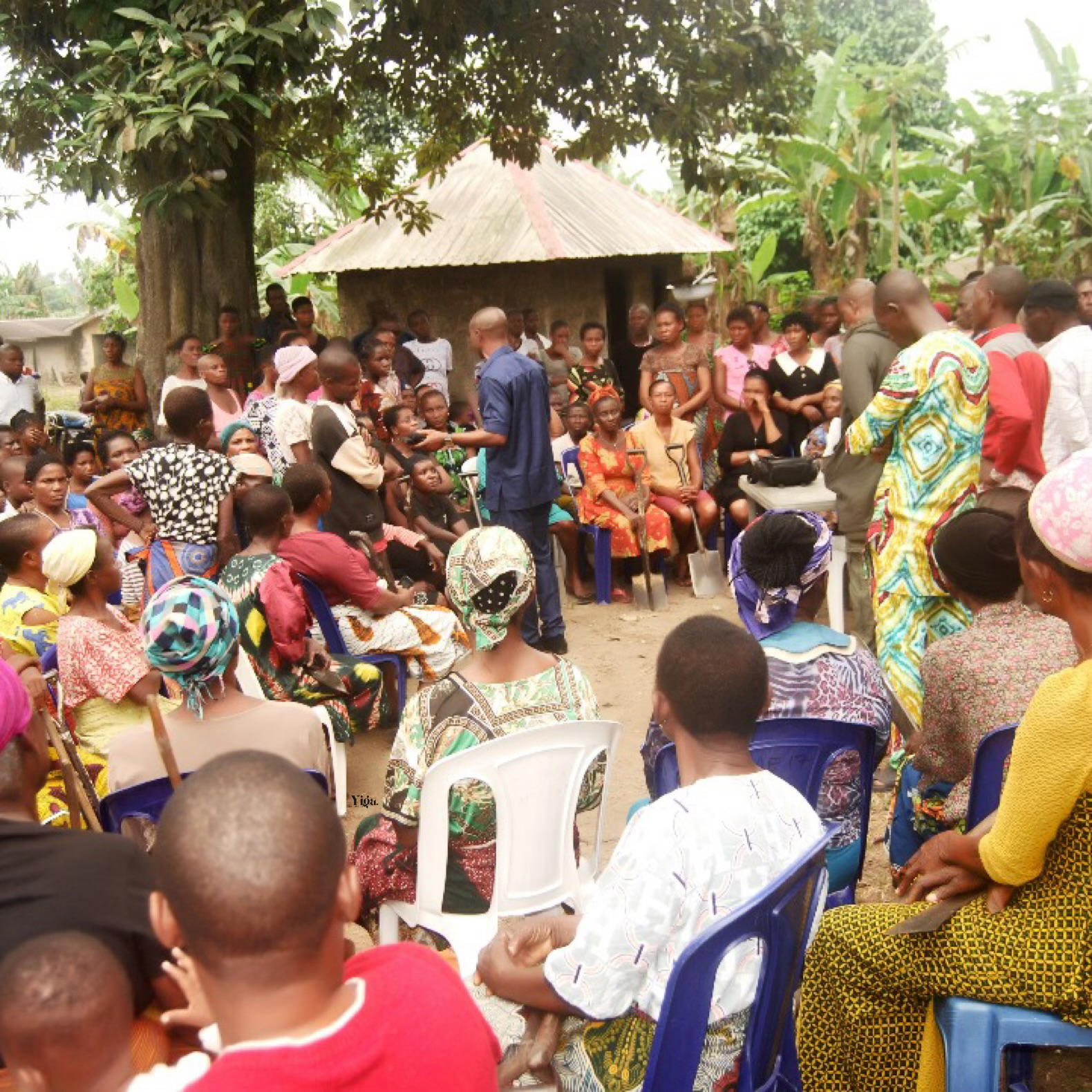
In December 2024, over 1,000 villagers—farmers, youth, traditional leaders—gathered for workshops led by Dr. Terence L. Gbarale. These conversations connected the dots between pollution and public health, sparking action. The community built its first composting site, offering farmers a sustainable alternative to chemical fertilizers. Then in February 2025, a free medical outreach treated respiratory illnesses, skin infections, and waterborne diseases—many caused by toxic waste exposure and burning plastics.
One fisherman shared, “For the first time, we’re not just told to keep our environment clean—we’re shown how it connects to our health and future.”
The Role of Geospatial Tech & Community Reporting
CLENT Africa added a high-tech layer: geospatial mapping and community reporting to track waste buildup and measure real-time progress. For many, this was their first experience with digital tools used for climate and health justice.
“Tech should not be a privilege,” Yigakpoa emphasized. “It should be a lifeline.”
A Climate Innovation That Needs Government Support
Still, the project reveals a deeper problem: the absence of formal waste management across Rivers State. Yigakpoa and the people of Eeken are calling for urgent action:
- Establish waste collection and recycling in rural and urban zones
- Support sustainable community models through funding and policy
- Recognize local innovations as scalable solutions
From Eeken to Africa: The Bigger Vision
The Eeken Community Project isn’t just a success story—it’s a template. As part of Yigakpoa’s larger “Sustainable Futures: Two Villages” initiative, it offers a replicable model for addressing public health, environmental degradation, and rural neglect—all with the power of community and tech.
From Eeken to communities across Africa, this work shows what’s possible when people take action without waiting for permission.
The time to act is now. The health of Rivers State—and Africa—depends on it.
Disclaimer
Comments expressed here do not reflect the opinions of Vanguard newspapers or any employee thereof.