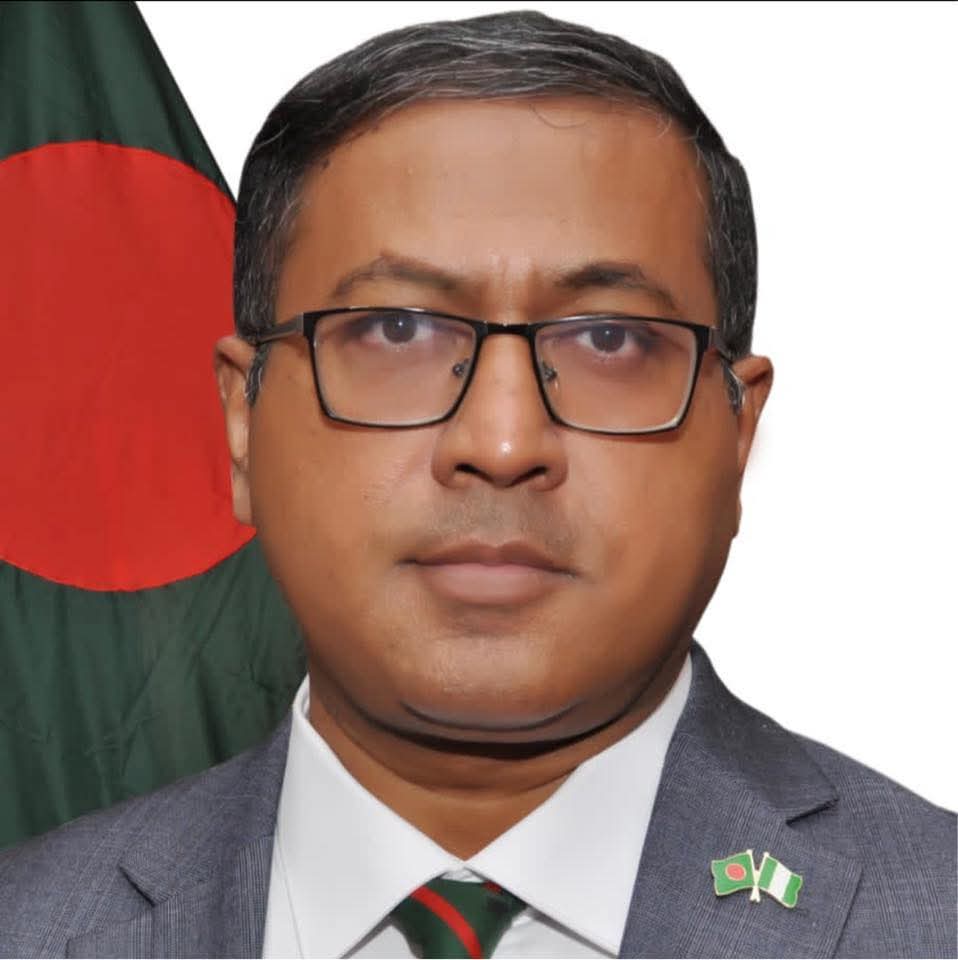
By Captain (retd) Palash Kausher
In the dynamic landscape of international relations, the bilateral ties between Bangladesh and Nigeria have witnessed remarkable growth and strengthening over the past four years. Central to this progress is the unwavering dedication and strategic initiatives spearheaded by the Bangladesh High Commission in Nigeria, under the exemplary leadership of High Commissioner Masudur Rahman. Their commitment to fostering cultural exchange, economic collaboration, youth empowerment, and business expansion has significantly enhanced the partnership between the two nations.
A Foundation of Mutual Respect and Cooperation
The relationship between Bangladesh and Nigeria is built on a foundation of mutual respect, shared economic interests, and cultural affinity. Both nations have recognized the potential of leveraging their unique strengths to foster a symbiotic partnership. Over the last four years, this collaboration has been characterized by increased diplomatic engagements, trade agreements, and cultural programs that celebrate the rich heritage of Bangladesh in Nigeria. Last year, Bangladesh High Commission in Abuja, Nigeria celebrated the 50th anniversary of establishment of diplomatic relations between Bangladesh and Nigeria
Leadership That Makes a Difference: Showcasing Bangladesh’s Rich Culture and Heritage
High Commissioner Masudur Rahman has been instrumental in driving the High Commission’s agenda forward. His visionary leadership has facilitated numerous high-level meetings and strategic dialogues that have paved the way for enhanced cooperation in various sectors. Under his stewardship, the High Commission has not only strengthened diplomatic ties but also played a pivotal role in addressing the challenges faced by Bangladeshi expatriates in Nigeria.
Madam Dilmat Are Masud, the wife of High Commissioner, has been equally influential in championing initiatives that highlight Bangladesh’s cultural prowess. Her efforts in organizing cultural festivals, food expo, and different forums have provided platforms for mutual understanding and collaboration. Together, Masudur Rahman and Dilmat Are Masud have exemplified the spirit of dedication and service, earning commendations from both Bangladeshi and Nigerian communities.
One of the standout achievements of the High Commission has been the successful organization of cultural events that showcase Bangladesh’s vibrant traditions, arts, and heritage. Events such as the annual Bangladesh Cultural day in Abuja have attracted large audiences, fostering greater appreciation and awareness of Bangladeshi culture among Nigerians. These initiatives have not only strengthened cultural ties but have also opened avenues for artistic and academic exchanges.
Empowering the Youth and Promoting Education
Recognizing the pivotal role of youth in shaping the future, the High Commission has launched several programs aimed at empowering young Bangladeshis in Nigeria. Scholarships, vocational training, and mentorship programs have been introduced to support the educational and professional aspirations of the youth. These initiatives have not only enhanced the skill sets of young individuals but have also contributed to the socio-economic development of both nations.
Driving Economic Collaboration and Business Expansion
Economic collaboration has been a cornerstone of the Bangladesh-Nigeria partnership. The High Commission, under the leadership of Masudur Rahman, has facilitated numerous trade missions and business forums that have led to increased investment and trade between the two countries. Sectors such as textiles, pharmaceuticals, agriculture, and information technology have seen significant growth, driven by collaborative ventures and knowledge exchange.
Moreover, the High Commission has played a crucial role in supporting Bangladeshi businesses looking to expand into the Nigerian market. By providing market insights, regulatory guidance, and networking opportunities, the High Commission has enabled entrepreneurs and investors to navigate the complexities of international trade with greater ease and confidence.
Strengthening Ties: Bangladesh High Commissioner’s Initiatives Bolster Nigeria-Bangladesh Trade Relations
In recent years, the Bangladesh High Commissioner to Nigeria has been at the forefront of fostering robust trade and diplomatic relations between Bangladesh and Nigeria. Through a series of meticulously organized events, seminars, and symposiums, the High Commission has successfully promoted Bangladesh’s trade interests and enhanced collaboration between the two nations.
Promoting Trade and Collaboration
Under the leadership of the High Commissioner, the Bangladesh High Commission in Nigeria has orchestrated numerous events aimed at showcasing Bangladesh’s diverse economic potential. Key initiatives include:
1. Trade Fairs and Exhibitions: Hosting trade fairs that provide Bangladeshi businesses with a platform to exhibit their products and services to Nigerian stakeholders. These fairs have facilitated numerous business deals and partnerships across sectors such as textiles, pharmaceuticals, and information technology.
2. Seminars and Workshops: Organizing seminars focused on trade policies, investment opportunities, and market entry strategies. These educational events have equipped Bangladeshi and Nigerian entrepreneurs with the knowledge needed to navigate the market effectively.
3. Symposiums on Bilateral Cooperation: Facilitating high-level symposiums that bring together government officials, industry leaders, and academic experts from both countries. These gatherings have been instrumental in identifying collaborative projects and addressing mutual challenges.
4. Business Networking Events: Creating networking opportunities through business luncheons and meet-and-greet sessions, enabling Bangladeshi and Nigerian businesses to establish valuable connections and explore potential collaborations.
Bilateral Business and Economic Relationship
• Investment Flows: Bangladeshi investments in Nigeria have expanded, particularly in sectors like textiles, construction, and telecommunications. Similarly, Nigerian investments in Bangladesh are growing, with a focus on energy and infrastructure projects.
• Employment and Skill Transfer: The trade relationship has created numerous employment opportunities. Bangladeshi workers in Nigeria contribute to various industries, while Nigerian professionals engage in skill transfer and capacity-building initiatives in Bangladesh.
Socio-Economic Impact
The flourishing trade ties have yielded substantial socio-economic benefits for both countries:
• Economic Growth: Increased trade volume has contributed to GDP growth in both nations. Bangladesh’s export-driven economy benefits from access to Nigeria’s vast market, while Nigeria diversifies its import base, reducing dependence on traditional trading partners.
• Job Creation: The expansion of businesses involved in bilateral trade has led to the creation of thousands of jobs, enhancing livelihoods and reducing unemployment rates in both countries.
• Technology and Knowledge Exchange: Collaborative projects have facilitated the exchange of technology and expertise, fostering innovation and improving industrial capabilities.
• Cultural Exchange: Enhanced economic ties have also promoted cultural understanding and exchange, strengthening people-to-people connections and fostering mutual respect.
Areas for Improvement
While the current state of relations is commendable, there are several areas where both Bangladesh and Nigeria can enhance their collaboration for even greater economic and diplomatic success:
1. Trade Facilitation: Streamlining customs procedures and reducing bureaucratic hurdles can facilitate smoother trade flows. Implementing bilateral trade agreements that address tariff and non-tariff barriers will further boost trade volume.
2. Investment Protection: Establishing robust legal frameworks to protect investments can encourage more businesses to invest confidently in each other’s markets.
3. Infrastructure Development: Collaborative investments in infrastructure, such as transportation and logistics networks, can improve the efficiency of trade and reduce operational costs for businesses.
4. Joint Ventures and Public-Private Partnerships: Encouraging joint ventures and public-private partnerships can leverage the strengths of both countries, fostering innovation and shared growth.
5. Capacity Building: Investing in training and capacity-building programs will ensure that the workforce in both countries is equipped with the necessary skills to support expanding industries and emerging sectors.
6. Sustainable Development Initiatives: Collaborating on sustainable development projects can address environmental challenges and promote green growth, ensuring that economic expansion is balanced with ecological responsibility.
Looking Ahead: A Promising Future
The proactive efforts of the Bangladesh High Commissioner to Nigeria have laid a strong foundation for a thriving bilateral relationship. By continuing to organize impactful events and fostering an environment of mutual cooperation, both Bangladesh and Nigeria are well-positioned to reap the benefits of their partnership. With strategic improvements and sustained commitment, the economic and diplomatic ties between Bangladesh and Nigeria are set to reach new heights, driving prosperity and development for both nations.
As Bangladesh and Nigeria continue to navigate the complexities of the global landscape, the foundation laid over the past four years provides a solid base for future collaborations. The High Commission’s ongoing initiatives and strategic vision promise to further deepen bilateral relations, opening new avenues for cooperation and mutual growth.
About the Author
Palash Kausher is a former Bangladeshi special forces officer. As a security and couter terorrism specialist, he has worked in different context across Asia, Middle east, East and West Africa. He is currently based in Nigeria. Palash is an honorary fellow of the Institute of Leadership, Manpower and Management Development and International Organizations of Safety Management. He has received recognition from several organizations and government agencies both at home and internationally.
Disclaimer
Comments expressed here do not reflect the opinions of Vanguard newspapers or any employee thereof.