By Akanni Dorcas
Plants can do a lot of great things, like providing medicine, food, and even happiness, but some have also been used in dangerous ways.
Over time, plants have developed ways to defend themselves from animals and humans. Some have sharp thorns, stinging spikes, or even deadly toxins.
Read also:
Lagos ranks 170th, as Vienna is named world’s most liveable city
These toxins can cause serious harm, including sickness or death. And, believe it or not, some of these dangerous plants may be growing nearby. Let’s take a look at ten of the most dangerous plants in the world.
Atropa Belladonna (Deadly Nightshade)
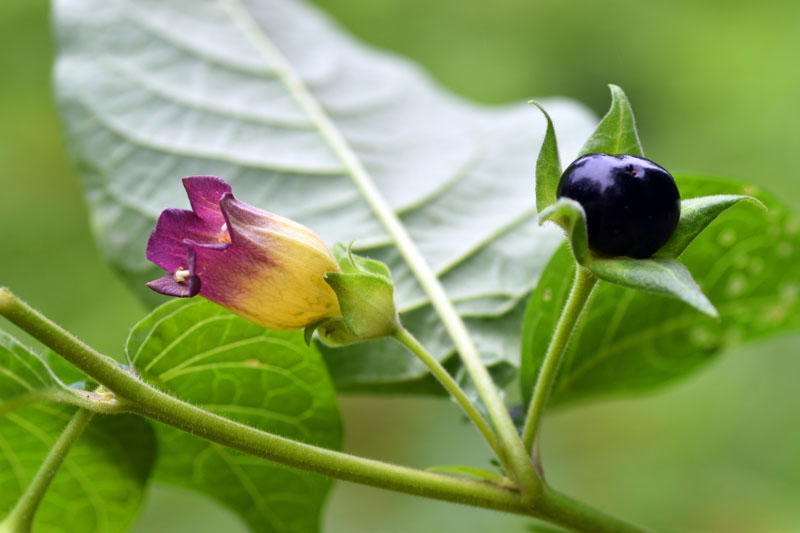
Deadly Nightshade is found in Europe, Asia, and North Africa. This plant is very toxic. It contains tropane alkaloids like atropine, scopolamine, and hyoscyamine, which affect the nervous system. Its berries are shiny and look tempting, especially to children. Eating just five to ten berries can kill an adult. Symptoms of poisoning include dilated pupils, blurry vision, confusion, convulsions, and even coma. The plant has a dark history. It was once used in beauty practices to make people’s pupils bigger, giving them a mysterious look.
Aconite (Wolfsbane)
Wolfsbane grows in mountain regions of the Northern Hemisphere. It contains a poison called pseudaconitine. This poison can be absorbed through the skin or ingested. It causes burning sensations, numbness, vomiting, and can lead to death within hours. Wolfsbane has been used in poison-tipped arrows and bullets during World War II. In folklore, it is famous for its connection to werewolves. Some believe it can repel werewolves.
Ageratina Altissima (White Snakeroot)
White Snakeroot, one of the dangerous plants, is found in North America. It contains tremetol, a toxin that poisons both animals and humans. If cows eat this plant, the poison enters their milk. Drinking milk or eating meat from poisoned animals can cause “milk sickness,” which killed thousands of people in the 1800s, including Nancy Hanks, the mother of Abraham Lincoln. Symptoms include vomiting, shaking, and confusion.
Taxus Baccata (English Yew)
The English Yew grows in Europe, parts of Asia, and North Africa. It has red berries that look harmless, but the seeds and other parts of the tree are toxic. The poison, taxine, affects the heart and nervous system. Eating just 50 grams of leaves or seeds can cause nausea, dizziness, and heart problems. It can even cause sudden death. Despite its danger, the tree has been used in medicine, but only with great care.
Cerbera Odollam (The Suicide Tree)
The Suicide Tree grows in South Asia. It produces small, green fruit that looks like mangoes, but the seeds are toxic. The poisons strychnine and brucine can kill an adult with just 30 milligrams, the size of one seed. In Kerala, India, this tree has been linked to over 530 poisonings, often from suicides or murders. People mix the seeds with sugar to mask the bitter taste, making it even more dangerous.
Brugmansia (Angel’s Trumpets)
Brugmansia, or Angel’s Trumpets, is native to South America. It has large, trumpet-shaped flowers in colours like pink, yellow, and white. Every part of the plant is toxic, containing scopolamine and atropine. Eating the plant can cause hallucinations, delirium, and dangerous actions like self-harm. Criminals sometimes use the plant’s toxins to make victims act under its effects, allowing them to steal without resistance.
Nerium Oleander (Oleander)
Oleander is a popular ornamental shrub with bright pink and white flowers. It is very toxic in all parts—leaves, flowers, stems, and even the nectar. The toxin oleandrin affects the heart and digestive system. Even small amounts, like a handful of leaves, can cause symptoms like nausea, vomiting, and irregular heartbeats. Larger amounts can be fatal. Even honey made from oleander nectar can cause poisoning.
Hippomane Mancinella (Manchineel)
The Manchineel tree grows in Central and South America and parts of Florida. It has small, apple-like fruit that is highly toxic. The sap contains phorbol, a poison that causes severe skin burns. If it rains, standing under the tree is dangerous because water can carry the sap onto your skin. Burning the wood releases toxic smoke that can cause blindness. Indigenous people used the sap to poison their enemies. It is also known as the “Little Apple of Death.”
Cicuta (Water Hemlock)
Water Hemlock is one of the deadliest plants in North America. It contains cicutoxin, a poison found mostly in its roots. Eating it can cause violent seizures, severe stomach pain, vomiting, and confusion. Death usually happens quickly, within a few hours, due to respiratory or heart failure. It can easily be mistaken for wild carrots, making it very dangerous.
Abrus Precatorius (Rosary Pea)
The Rosary Pea, also known as the Crab’s Eye plant, is a climbing vine with red seeds that have a black spot. These seeds are often used in jewelry, but they contain abrin, a toxin that is 75 times more lethal than ricin. Just one scratched or chewed seed can kill an adult by preventing cells from making proteins needed for survival. Even jewelers who handle the seeds have died from accidental poisoning. The plant is beautiful, but it is very deadly.
Disclaimer
Comments expressed here do not reflect the opinions of Vanguard newspapers or any employee thereof.