By Olasunkanmi Akoni
The Lagos State Tourism sector has contributed N4.1 trillion to the state Gross Domestic Product, GDP, in recent years.
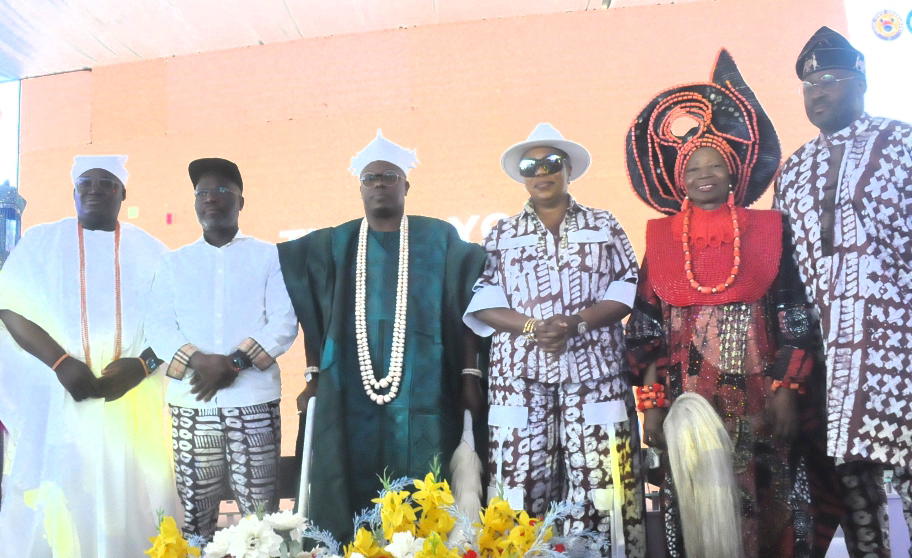
The Oniru of Iruland, Oba Abdulwasiu Omogbolahan Lawal, who was a lead panelist presenter at the World Tourism Day celebration on Friday, organised by the Lagos State Ministry of Tourism, Arts and Culture, disclosed this.
Recall that the State Government, through its Commissioner for Economic Planning and Budget, Ope George, had recently, revealed that the state GDP has moved from N27 trillion to N41 trillion within four years of Governor Babajide Sanwo-Olu’s administration.
Lawal, the former Commissioner for Agriculture as well as Housing, in the state, at the World Tourism Day celebration, themed: “Tourism and Peace,” said that the tourism sector contributes 10 per cent to the state’s GDP annually.
Lawal, while presenting a lead paper, noted that “Lagos, Nigeria’s bustling economic hub, has immense potential in the tourism sector.
“The city’s rich cultural heritage, vibrant arts scene, and beautiful beach-fronts attract tourists from around the world.
“Studying Turkey’s, Istanbul successes and adapting best practices to the Nigerian context, we can unlock the full potential of our tourism sector.
“Tourism plays a key role in the local economy, supporting around 8 per cent of jobs in Turkey, especially in hospitality and services.”
Speaking on the impact of peace on tourism in Lagos, Lawal stated, “According to reports, Tourism in Lagos is a significant contributor to the state’s economy.
“Currently, the tourism sector is expected to contribute approximately 10 per cent to Lagos’ GDP, which is projected to increase in the coming years.-
“Eko Atlantic City 500,000 visitors, National Arts Theatre, 300,000 visitors, National Museum, 150,000 visitors, Tafawa Balewa Square 200,000 visitors, Badagry Heritage Museum, 150,000 visitors, Lekki Conservation Centre, 120,000 visitors annually.
“The Lagos beachfront attracts an estimated:- 1.2 million visitors annually through Lagos State Tourism Board, 500,000 visitors during peak season.
“The total investment is over N100 billion, Land area is about 300,000m2, vendors were over 400, employee per vendor was between 5 and 80 with over 10,000 jobs created.
“However, the tourism sector in Lagos faces challenges, including inadequate infrastructure and security of property rights concerns.
“Efforts to address these challenges have included investments in infrastructure and security enhancements, creating a more conducive environment for tourism.”
He noted that educational initiatives targeting youths have also been implemented, focusing on hospitality training and cultural education. “These initiatives have created job opportunities for young people, reducing unemployment and fostering social cohesion.”
Also at the event, the state Commissioner for Tourism, Arts Culture, Toke Benson-Awoyinka, affirmed that “Lagos is not only committed to promoting tourism as an economic driver but also a tool for fostering peace.”
Benson-Awoyinka, described the theme as “timely and significant, as it allows people “to reflect on how tourism, beyond being a tool for economic development, serves as a bridge for peace, understanding, and unity among people and nations.”
She said that “Lagos, as a dynamic hub of culture and commerce, understands the power of tourism in building not only an inclusive society but a peaceful one.
Through tourism, Benson -Awoyinka, noted that people “are able to connect with the world, break down cultural barriers, and offer a platform where differences are not just acknowledged but celebrated.”
Affirming that the tourism sector serves as a powerful catalyst for fostering peace, the commissioner noted: “As visitors from around the world explore different lands, meet new people, and experience diverse cultures, they engage in an exchange that promotes mutual respect, tolerance, and friendship.
“It is this spirit of shared humanity that can turn tourism into an engine for peace and reconciliation, and it opens hearts and minds to new ways of thinking, living, and coexisting.”
She said that the sector’s initiatives continue to elevate Lagos as a global tourist destination, where cultural diversity is showcased, and the rich heritage is shared with the world, confirming that Lagos remains – beacon of cultural and tourism excellence.
Benson-Awoyinka said that “the tourism sector’s collaboration with Sterling Bank is a testament to the power of partnerships in driving the growth of this vital sector.”
Through this joint effort, she said that the state hopes to strengthen the narrative of tourism as a path to peace and reconciliation, demonstrating how tourism can create opportunities for sustainable development while bringing people closer together.
The Minister of Tourism, Lola Ade-John who was represented by the Special Adviser on Policy, Mrs. Jibike Teniola, commended Lagos State government and Sterling Bank for partnering to promote tourism as tool for peace.
“Tourism is a bridge between people and culture. Nigeria with over 250 ethnic groups can use tourism to bring unity in diversity. The world through tourism fosters dialogue and collaboration. Tourism break down barriers,” the minister said.
Ade-John therefore, called on the Ministry of Education to include tourism and history in the school curriculum.
Disclaimer
Comments expressed here do not reflect the opinions of Vanguard newspapers or any employee thereof.