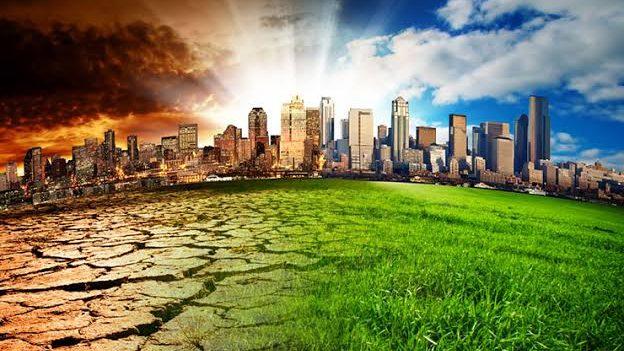
File image
By Gabriel Ewepu
ABUJA – As Nigerians bear brunts of climate change impacts, student climate change advocates of Junior Secondary School, JSS, Gwagwalada, Abuja, have called on citizens and government to protect the environment against climate change challenges.
The student climate change advocates called Child Rights Advocacy Club, CRAC, under the auspices of Save the Children International, SCI, Nigeria, held a panel discussion about the impact of climate change on children’s nutrition and well-being on the topic, ‘Climate Change Impact on Nutrition, Health, and Well-being’.
The engagement with Child Rights Advocacy Club in FCT schools include JSS Haji-Camp, JSS Gwagwalada, JSS Jabi and Brethren Schools to Amplify the Voices of Children on Climate Change’s impact on Nutrition, Health, and Well-being.
Speaking on the sidelines of the engagement, Child Rights Advocacy, JSS, Gwagwalada, Advocate Iduh Rejoice, said: “Climate change affects the food we eat, the air we breathe, and the place that provides us with shelter. Climate change can also impact people’s health and well-being.
Also Rejoice added, “It destroys land for agricultural activities including livestock and food supply.
The government should enforce the law to stop the improper disposal of refuse and other practices thay negatively impact the environment including demolition of houses blocking water waterways.
Also Child Rights Advocacy, JSS, Gwagwalada, Advocate, Amen Magaji, said, “Why we are advocating for tree planting as part of major measures that would mitigate impact of climate change on our environment.
“We in JSS Gwagwalada is set today to also plant trees here and also in our premises where we live. The essence of tree planting is to reduce the impact of storms and winds affecting roofs of our school buildings. Some of our classroom blocks were damaged as a result of storms and winds occasioned by climate change.
“The issue of planting trees is not only the responsibility of the government but it is the people that has that responsibility of tree planting where they live, works, school and do business to mitigate the impact of climate change ravaging our environment.”
Another Child Rights Advocacy, JSS, Gwagwalada, Advocate, Chukwuemeka Destiny, said: “We call on philanthropists, Government, and individuals to take it upon themselves to ensure more trees are planted across the country and also schools should form alliances to plant trees.
“We in JSS Gwagwalada have been planting trees to reduce impact of climate change in order to safeguard our school buildings from the impact of storms.”
Meanwhile, the Principal, JSS, Gwagwalada, Florence Okonkwo, commended Save the Children International, SCI, Nigeria for coming up with topical issues that affect children, women and the environment.
“I listened to the presentation of the students and you can see that they are adequately and properly informed. These are the leaders of tomorrow so it is going to influence the decisions they re going to be taking about the environment.
“On tree planting, I would have preferred one tree- one student; every student plants a tree, nurses it until it grows from the seedlings and it would go a long way. If we have a thousand students one thousand trees because the damage of the environment is much and it requires that approach to be able to restore what has been damaged.
“I have a dump I separate my waste provided for collection of plastic because is not degradable, and all the students and teachers go to the waste collection point to dump the waste
However, she said Nigerians are not adequately informed, “Nigerians are not properly informed to know that this thing is a joint effort required by Nigerians and Government.
“For instance, the Government had constructed drainage and you see somebody dumping refuse inside.
“Every Nigerian should see keeping the environment clean and safe as a personal issue that I must do something to preserve my environment.
“On the issue of flooding, people build indiscriminately and block waterways and there is a lot of lawlessness in terms of land allocations. Water must have its way and course.”
Meanwhile, the Advocacy and Campaign Officer, Save the Children International, Nigeria, Sharon Obijioro said, “Climate change has been evident in the continent in general and in Nigeria in particular, through the rise of temperature; more frequent extreme weather, variable rainfall, rise in sea level and flooding, drought and desertification, land degradation; affected freshwater resources and loss of biodiversity, among others. The duration and intensities of rainfall have increased, producing large runoffs and flooding in many places in Nigeria.
“This is a cause of concern, especially for women and children who are the most vulnerable and are worst affected by the impact of climate change. Tackling the global climate crisis is vital for the achievement of Save the Children’s Breakthrough ambitions, delivering the United Nations Convention on the Rights of the Child, and contributing to accelerating progress towards achieving the Sustainable Development Goals and the 2030 pledge “Leave No One Behind”.
According to Obijioro, “The objective is to; Raise Awareness: educate children about climate change, its effects on nutrition, health and wellbeing, and the interconnectedness of these aspects; Empower Voices: provide children with platforms and tools to express their thoughts, concerns and ideas about climate change impact on their lives; Foster Advocacy: encourage children to advocate for sustainable practices and policies that can mitigate the impact of climate change on nutrition, health and wellbeing; and Promote Action: support children in initiating and participating in projects that address local climate-related challenges
“The expected outcome includes; Increased understanding among children about the connections between climate change, nutrition, health, and wellbeing; Empowered children who can articulate their concerns and advocate for positive change; Heightened public awareness about the perspectives of children regarding climate change impacts; and Generation of innovative ideas and projects that contribute to climate resilience and community wellbeing.”
Disclaimer
Comments expressed here do not reflect the opinions of Vanguard newspapers or any employee thereof.