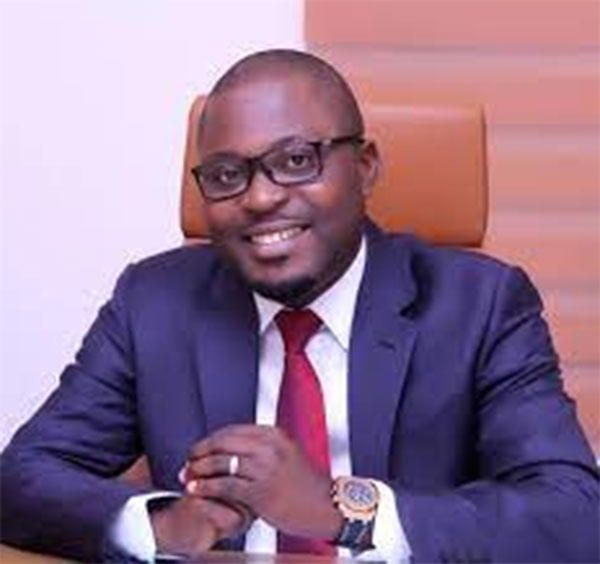
As Nigeria approaches the inauguration of the President-elect, Asiwaju Bola Tinubu, Chairman of Nigerian Young Professionals Forum, NYPF, Mr. Moses Siasia, in this interview, charts the path for national reconciliation and healing. Siasia, who laments the plight of youths, especially in the Niger Delta, also speaks on young persons’ quest for a paradigm shift in Nigeria.
Since the conclusion of the 2023 general elections, people are still angry over its outcome…
Yes, we are in a very dangerous place as a nation. Nigeria is currently grappling with a range of complex issues. Ethnic divisions were at an all-time high during and after the polls and there was also the issue of widespread disenfranchisement.
One of the few positives we recorded was the high level of political awareness among young people who made their voices heard by engaging in the electoral process. Sadly, many of their preferred candidates did not emerge victorious, a development which left them feeling disheartened and disillusioned. Consequently, disunity has become a significant problem in Nigeria. There are factions everywhere, with many people feeling disenfranchised and ethnic groups expressing dissatisfaction over the election outcome.
Therefore, we must recognise the urgent need for national cohesion and initiate a healing process that can bring the country together. Nigeria has a bright future, and with the right approach, we can emerge stronger and more united than ever before.
Very closely related to the issues you identified are utterances that have continued to come from very iconic persons. They speak in a rather inflammatory manner. What do you think?
As a young Nigerian, I feel incredibly disappointed and disheartened by the proliferation of hate speech in our society. It’s deeply troubling that the divisive utterances are coming from individuals who are supposed to be role models in our society. This toxic trend has permeated our political process and society. Unfortunately, it is now being replicated by the younger generation. Such behaviour is detrimental to our collective growth as a people and is completely unacceptable.
As Nigerians, we deserve better than this. It’s time we come together as a nation to promote a culture of unity, tolerance, and mutual respect.
How do you think the President-elect, Senator Bola Tinubu, can drive the healing process and unify the nation?
To start with, the President-elect is perceived as a fatally flawed personality, with many believing that he will spearhead an ineffective administration.
Fortunately, he has an opportunity to prove that the negatives people associate him with are mere figments of imagination.
He can start by reaching out to different political blocs who were dissatisfied with the electoral process to initiate the healing process that our nation deserves.
This is not rocket science. A lot of countries have gone through what we are going through now at the moment, and they have come out of it.
While the incoming administration prepares to take over, there’s this persistent issue of youth restiveness that has continued to taint Nigeria’s image. You often hear of youth involvement in violence and in the case of Niger Delta, it is mainly oil theft. How can all these be addressed?
The population of unemployed young people in Nigeria and the consequent rise in youth restiveness is alarming. Also alarming is the exodus of millions of young Nigerians to countries like the UK and Canada.
I feel deeply troubled that leaders are not recognising the need for human capital development even when all indicators point in that direction.
Look at countries like China and Singapore. They understand that human capacity development is crucial to economic growth and reaping the rewards of investments in that direction.
We are losing a lot of people daily. It doesn’t matter whether you call it lawful migration or irregular migration, the fact remains that we are losing people.
Look at our employment space and the unemployment rates in Nigeria. It’s worrisome. As a parent, you labour to train your children through school and still shoulder the responsibility of helping them get jobs upon graduation.
When the jobs are not forthcoming they are left with the options of getting their daily bread via underhand methods or ultimately resorting to violence.
I’m afraid youth restiveness will continue to plague this nation until we prioritise human capital development.
Now, let’s look at the youth demography: you see youth anger was palpable. They wanted a paradigm shift, more like a transfer of anger from the #Endsars movement. Do you think the anger is justified and the quest is realistic?
I strongly believe that young people’s anger and aspirations are genuine. There is a calculated injustice towards the younger generation in this country, and I make this assertion wherever I go. Where are the institutions that build young people’s capacity in this country?
The state of our universities is appalling.
Have you visited some of the universities we have in Nigeria today? You would be shocked by what you would see or discover. There is a lack of proper equipment, and universities are not equipped after their secondary or university degree.
Instead, they participate in the National Youth Service Corps ,NYSC. However, what is NYSC giving to them? What were the objectives of NYSC, national cohesion and national integration? Are we truly fulfilling that purpose? We should ask ourselves these questions.
I consider myself a serious advocate for young people because I understand the values that they can bring. When we talk about #EndSARS today, what proper mechanisms or steps have the government put in place to prevent it from happening again?
You have been quite vocal about youth demography and the interests of young people. Tell me about NYPF…
The Nigerian Young Professionals Forum ,NYPF, is a nationwide organisation, but it actually began as the Niger Delta Young Professionals, with focus on the Niger Delta region.
Over time, as our programmes, projects, and engagements expanded, we received feedback from people who were impressed by our contributions and suggested that we take our work national. This was how the NYPF came into being.
Has the forum’s progress met your expectations?
We’ve been faring remarkably well. As the leader of the Nigerian Young Professionals Forum, I am proud to say that we have a membership base of over 2.5 million young people across the country and in 15 countries worldwide, including the US and the UK.Our main goal is to mobilise young people and empower them to make a positive impact on society.
We remain committed to contributing our quota to nation-building despite the challenges that our country is facing.And while progress may be slow, the organisation will continue to push forward and work towards creating a better future for Nigeria.
In my opinion, the percentage of state governments within the Niger Delta region that have actually impacted the lives of young people is not even 20% or 30%. The highest percentage I have seen is in Delta State.
Delta State is more concerned about government programmes for young people, and I can say this based on research we conducted last year about state governments in the region that have positively impacted the lives of youth. Delta State has been doing a lot in this regard.
•Interview was first aired on Violence Free World with Cally Ikpe.
Disclaimer
Comments expressed here do not reflect the opinions of Vanguard newspapers or any employee thereof.