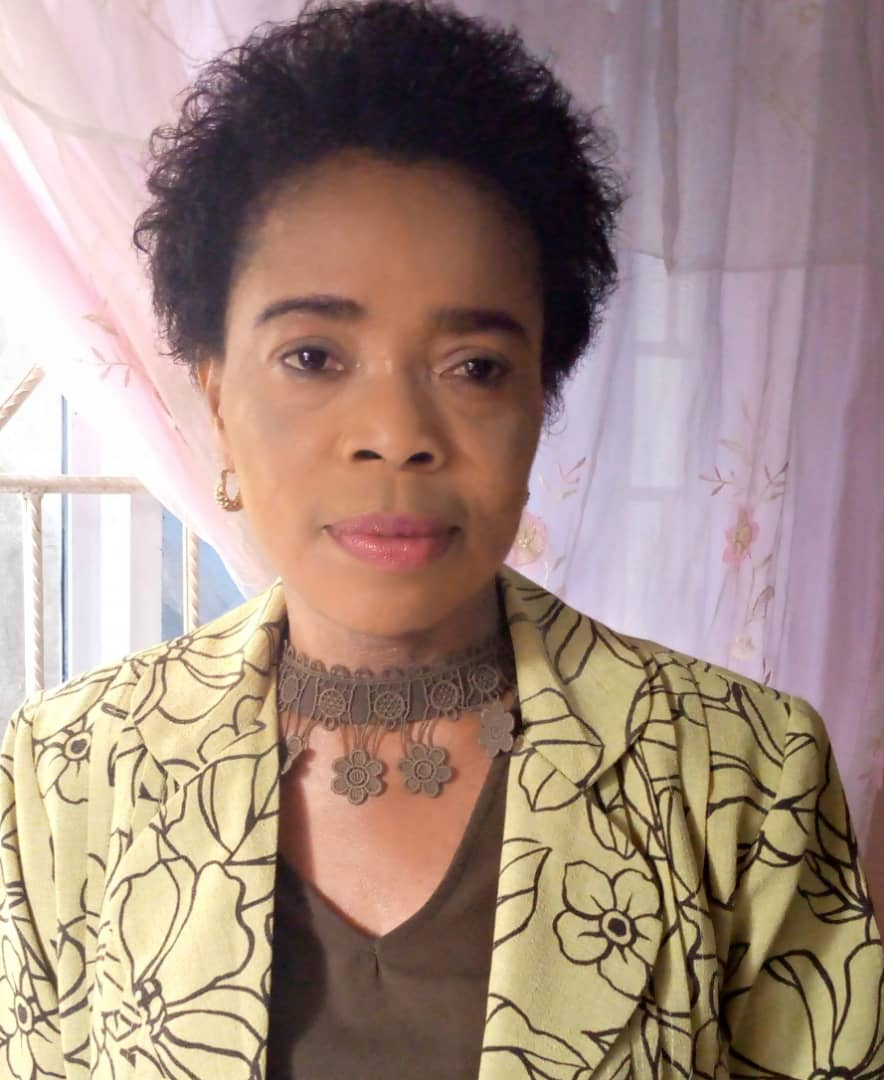
By Ebunoluwa Sessou
Founder of Bella Foundation for Child and Maternal Care, a non-governmental organization, Bella Akhagba has called for a global treaty to end violence against women.
In a statement, Akhagba disclosed that violence against women and girls is now a global pandemic adding that, perpetrators walk freely on the streets while most survivors do not get justice.
According to her, “Violence against women and girls is the most widespread human rights violation on earth. High rates of violence exist globally: 35 per cent of women worldwide will survive sexual assault or domestic violence in their lifetime¹. Yet at present, the lack of action by governments leaves billions of girls and women around the world susceptible to rape, assault, and other forms of violence.
“Can we end violence against women and girls? Consider this: When was the last you were seated in the smoking section on a long, international flight? Or came home from a night out smelling like an ashtray? Smoking was everywhere. Yet today, it’s largely gone in public spaces. The Tobacco Treaty accomplished that. Similarly, the Mine Ban Treaty stopped the killing and maiming of civilians.
“Treaties, carefully crafted and executed, change global norms. The same can happen to end violence against women and girls
Speaking on the need for a global treaty, she said, “The Convention on the Elimination of all forms of Discrimination Against Women (CEDAW) only covers 25 percent of women. What happened to the remaining 75 percent? We are advocating for a treaty that will address the issue of violence against women holistically.
“Global research shows that when nations take clear, comprehensive steps toward women’s safety, reporting and help-seeking increase, and rates of violence reduce. Sixteen years after the United States passed the Violence Against Women Act, for example, domestic violence rates dropped by 53 Percent.
“The treaty will mandate that governments enact the following strategies proven to lower rates of violence including changing of laws. In nations and states with domestic violence laws, mortality rates for women are 32 percent lower³.
“On training and accountability, she said, “For police, judges, nurses and doctors, and other professionals, which leads to increased prosecution of perpetrators and better treatment for survivors?
On prevention education, she said, “Research shows that education influences boys’ and men’s attitudes and actions, and encourages women and girls to demand their rights.
On services for survivors, she said, “it will ensure they receive treatment and protection and have avenues for seeking justice.
On funding, she added that “The treaties catalyze funding. In the first 36 hours of the Mine Ban Treaty, nations pledged US$500 million toward implementation.
Disclaimer
Comments expressed here do not reflect the opinions of Vanguard newspapers or any employee thereof.